Education minister quits after AI cheating scandals around South Korea’s biggest exam

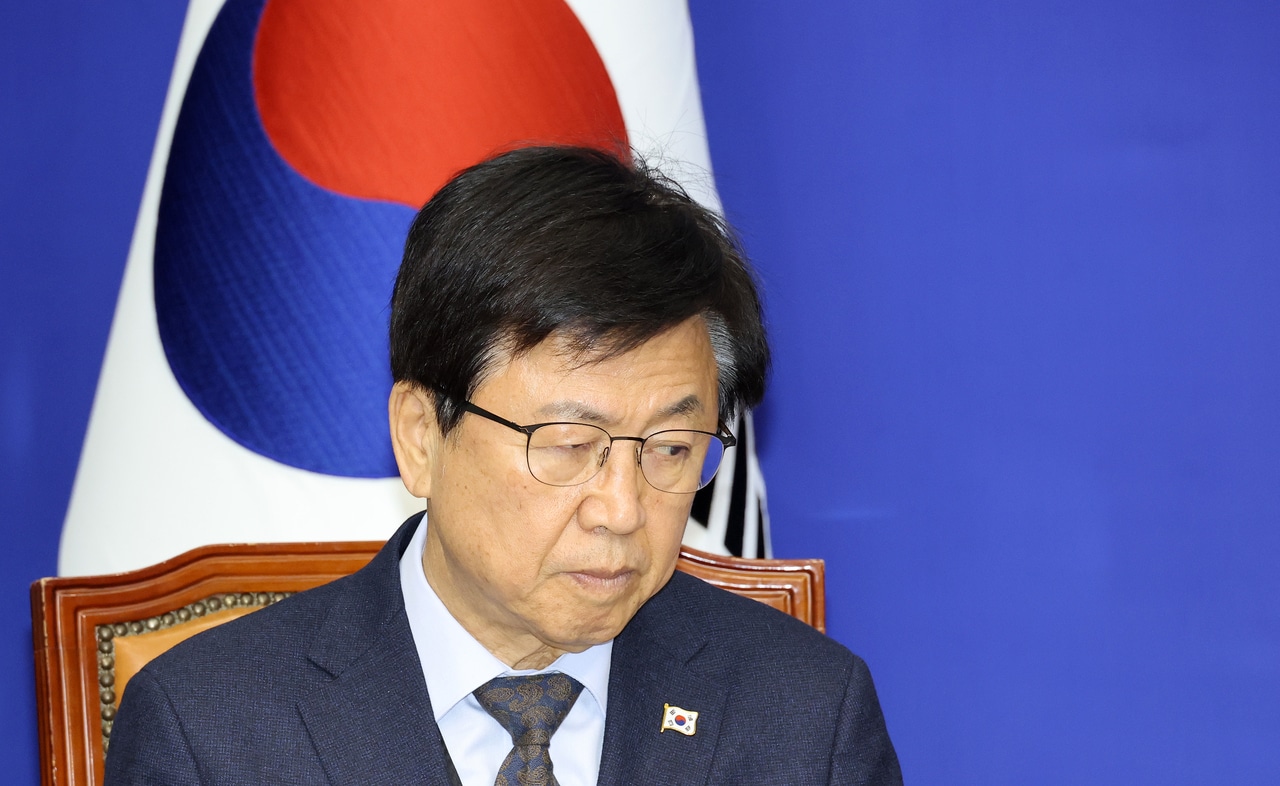
South Korea‘s education minister Choi Kyo-jin resigned on Sunday, 22 November, taking responsibility for confusion caused by last-minute measures to prevent AI-assisted cheating during the country’s university entrance examination.
President Lee Jae Myung accepted his resignation within an hour, Yonhap reports.
The controversy followed the annual College Scholastic Ability Test, known as Suneung, which took place on 19 November and determines university admission prospects for hundreds of thousands of students.
Authorities introduced additional security checks after a separate examination scandal raised concerns about candidates using artificial intelligence, miniature cameras and concealed communication devices.
The government also sent three emergency alerts to mobile phones nationwide during the exam, hoping to identify students who had secretly kept their devices.
The measures sparked criticism over their timing and disruption to one of South Korea’s most important examinations.
«As the minister, I cannot be free from the criticism that we were not prepared in advance,» Choi said in his resignation statement, according to The Korea Herald.
How South Korea tried to catch AI cheaters
The crackdown followed an admission by the top scorer in a national tax accountant certification examination that AI-assisted cheating had helped him achieve his result.
With the university entrance exam just days away, officials scrambled to prevent similar incidents.
Schools increased checks for smart glasses, wireless earphones and concealed cameras. Examination supervisors inspected students’ eyewear and placed stickers over clothing buttons to prevent hidden recording devices from being used.
Public Wi-Fi access was also restricted around examination centres.
According to the Education Ministry, 111 candidates were caught possessing or using unauthorised electronic devices, including one case involving smart glasses and another involving a miniature camera and wireless earphones.
The cases remain under review, meaning the violations should not all be treated as confirmed instances of AI-assisted cheating.
What happens to students caught cheating?
The Education Ministry’s examination misconduct committee is expected to determine penalties before results are released on 11 December.
The government and the ruling Democratic Party have proposed extending the period during which students caught using AI to cheat could be barred from taking the examination to 10 years. Officials are considering whether tougher penalties could apply to this year’s candidates.
Authorities may also revisit previous university entrance examinations if credible evidence of AI-assisted cheating emerges.
Following Choi’s resignation, President Lee instructed Prime Minister Han Seong-sook to prioritise measures addressing the examination controversy. The government will begin selecting a new education minister.
