Extreme weather adds weeks to oil and gas shipments — IEA

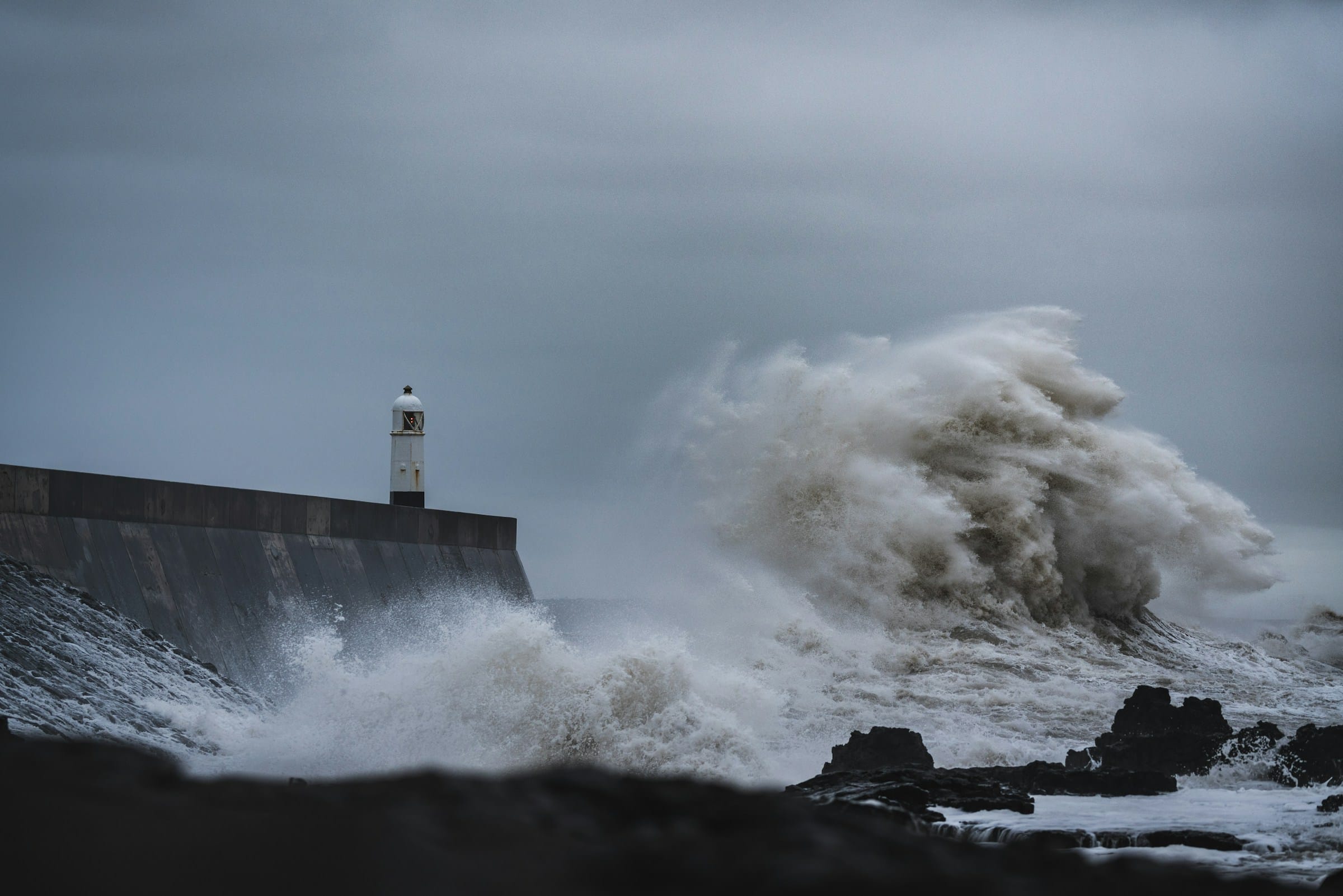
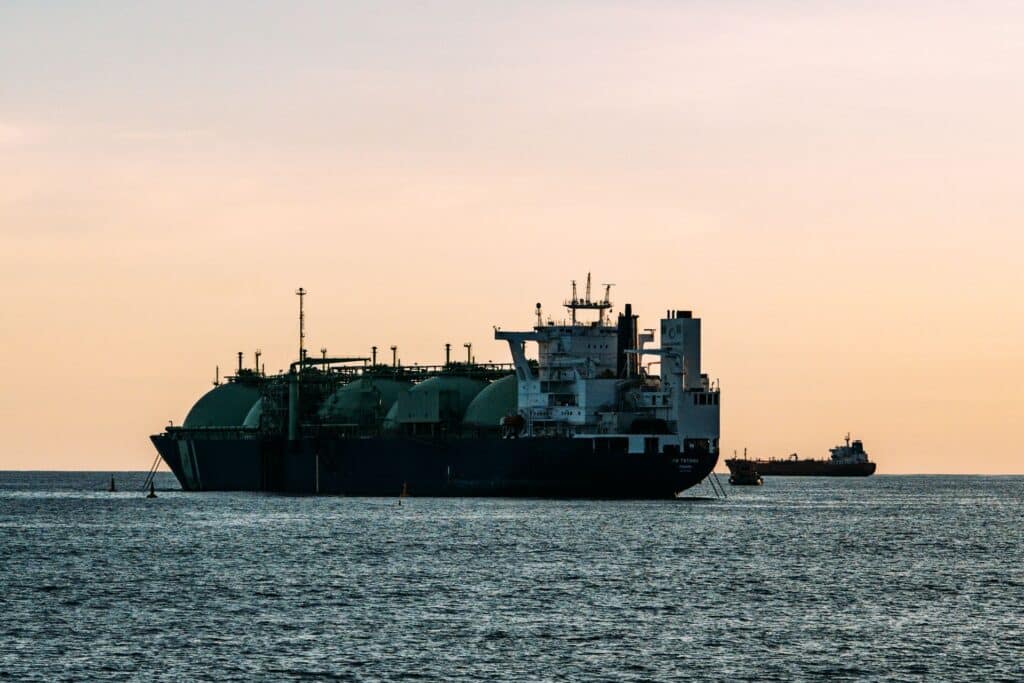
A fuel tanker travelling from the US Gulf Coast to Japan may spend almost four extra weeks at sea if it has to reroute around Africa, the International Energy Agency (IEA) has warned. Droughts, floods, and storms can cause these costly detours, putting more pressure on oil and gas shipping.
In its 18 November report, the IEA said that about 40% of the world’s crude oil and 15% of its natural gas travelled by water for at least part of their journey in 2024. Extreme weather can disrupt these shipments at ports, in narrow shipping lanes, or on rivers that move fuel inland.
Gulf oil exports started to recover in October, but oil stocks on land dropped to their lowest level since at least 2016. The IEA expects global liquefied natural gas (LNG) supplies to fall by 3% in 2026 if disruptions in the Strait of Hormuz continue through December. There were also new reports of attacks on ships in the Gulf and near Hormuz over the weekend.
Stored fuel can help cover short delays. But if a closure lasts for weeks or affects several nearby ports, importers may have to compete for replacement cargoes. These extra costs can end up in the price buyers pay for fuel.
Read more: OPEC+ oil output rebounds as supertanker rates hit a record.
When ships have to take the long way round
Meanwhile, the Panama Canal needs fresh water to operate its locks. A drought that began in 2023 cut the number of vessels passing through the Canal in 2024 by about a third. According to the IEA, a tanker going around Africa to Japan would spend 26 more days at sea and use about 75% more fuel at the same speed.
Low water levels can also mean smaller deliveries. Near Kaub-on-the-Rhine in Germany, a typical tanker barge might carry only 20-30% of its maximum load when the water is shallow. In the Turkish Straits, fog can delay traffic for hours. Ships carrying fuel out of the Black Sea have no alternative sea route.
Dig deeper: Houthis pile pressure on Bab el-Mandeb. Here is what it means for oil markets and global trade
When ports and gas plants go offline
Flooding is the most common weather disruption at ports. It can make storage tanks and loading equipment unusable, and it can cut off roads, rail lines, and pipelines that move fuel to and from the port. The report says flooding disrupts port operations for an average of just under 11 days.
In East Asia, cyclones can halt traffic through the Luzon Strait and cut supply at the source. In March, Cyclone Narelle shut down both production units at Western Australia‘s Wheatstone LNG plant. It took about four weeks to restore output. Extreme heat can also make it harder for plants to cool natural gas into liquid for loading, which reduces the amount that can be shipped.
Read more: Another diesel crisis looms, and Russia deal is little relief
According to the IEA, weather already causes about $5 billion in physical damage at port facilities that handle tankers. That number could nearly double by 2050 if global temperatures rise by about 3°C by the end of the century. Higher sea levels would make storm surges more damaging to coastal ports.
