Tajikistan to pull out from ‘politicised’ ICC in 2027

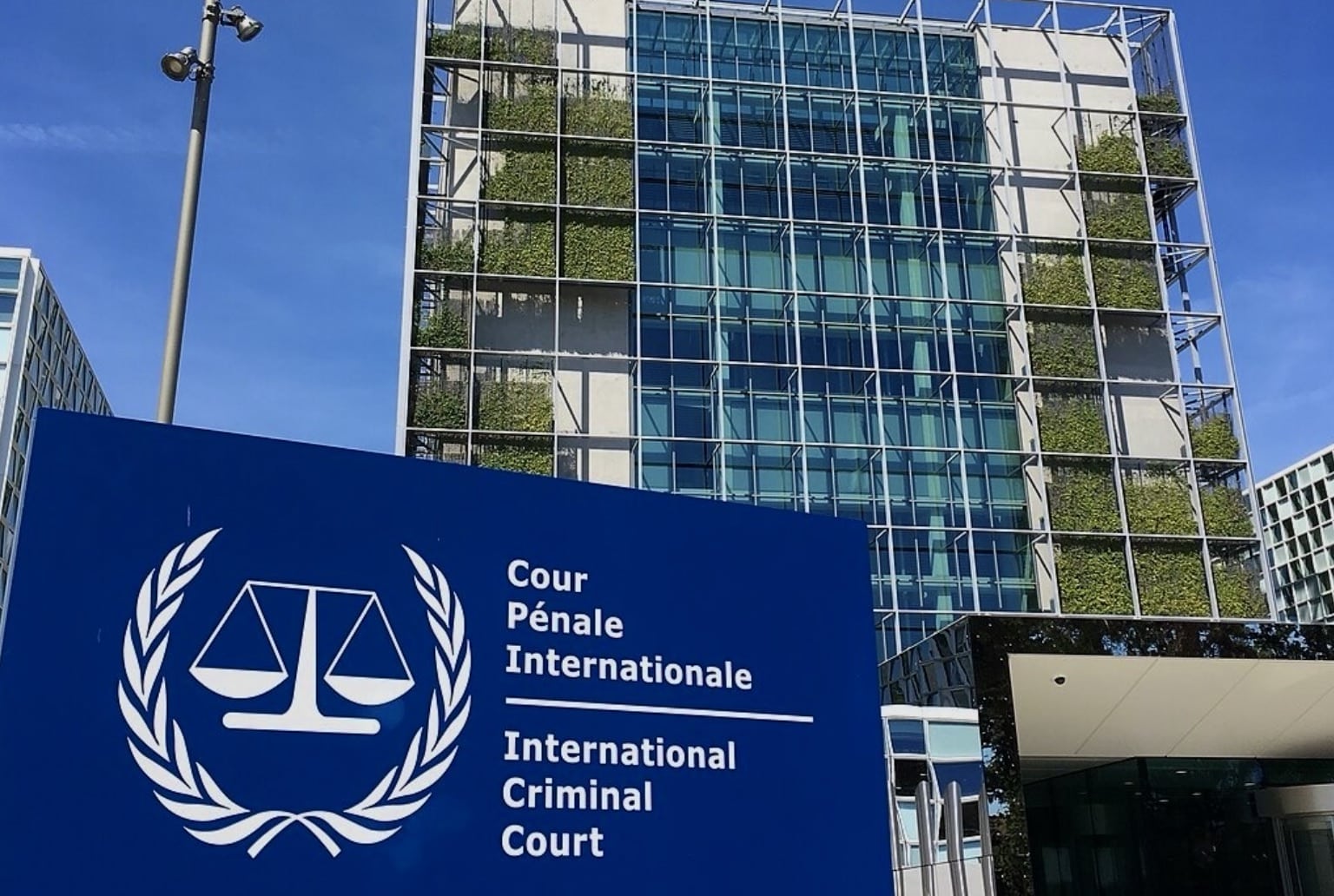
Dushanbe has notified the United Nations that it is leaving the International Criminal Court (ICC) next year, leaving Central Asia without a single member of the court.
The UN received Tajikistan’s notice on 20 November. Under the Rome Statute, the treaty establishing the court, the withdrawal takes effect a year later, on 20 November 2027.
The leadership of the ICC’s Assembly of States Parties urged Tajikistan on Monday to remain and to raise its concerns within the assembly. It warned that withdrawals could weaken efforts to hold people accountable for international crimes.
For its part, the EU also expressed regret over the decision, noting that the ICC ‘plays an essential role in ensuring accountability for the most serious crimes of concern to the international community as a whole.’
‘The ICC does not target sovereign states, nor does it constitute a threat to their sovereignty,’ the EU statement reads.
Tajikistan’s lower house approved the withdrawal on 1 October. Speaking to lawmakers that day, Deputy Foreign Minister Idibek Kalandar attributed the decision to the court’s «growing politicisation», saying it was turning international criminal justice into a tool of political pressure.
The side story: Hungary PM-elect signals Netanyahu arrest risk over ICC commitment
‘Such selectivity and bias undermine the court’s standing as an independent institution,’ he insisted, as quoted by the parliamentary newspaper Sadoi Mardum.
What changes in 2027
Tajikistan has ratified the Rome Statute in 2000. Tajikistan remains a member until its withdrawal takes effect. Thereafter, it must still fulfil the obligations it took on as a member, including any duty to cooperate with investigations or proceedings that began before its exit.
Tajikistan is the seventh country to file a withdrawal notice in 2026. Niger, Burkina Faso, Mali, Venezuela, Chad and Nauru notified the UN of their respective pullout decisions earlier this year.
