Liudmyla Dzhulai, who treated first Chornobyl casualties, dies in Ukraine

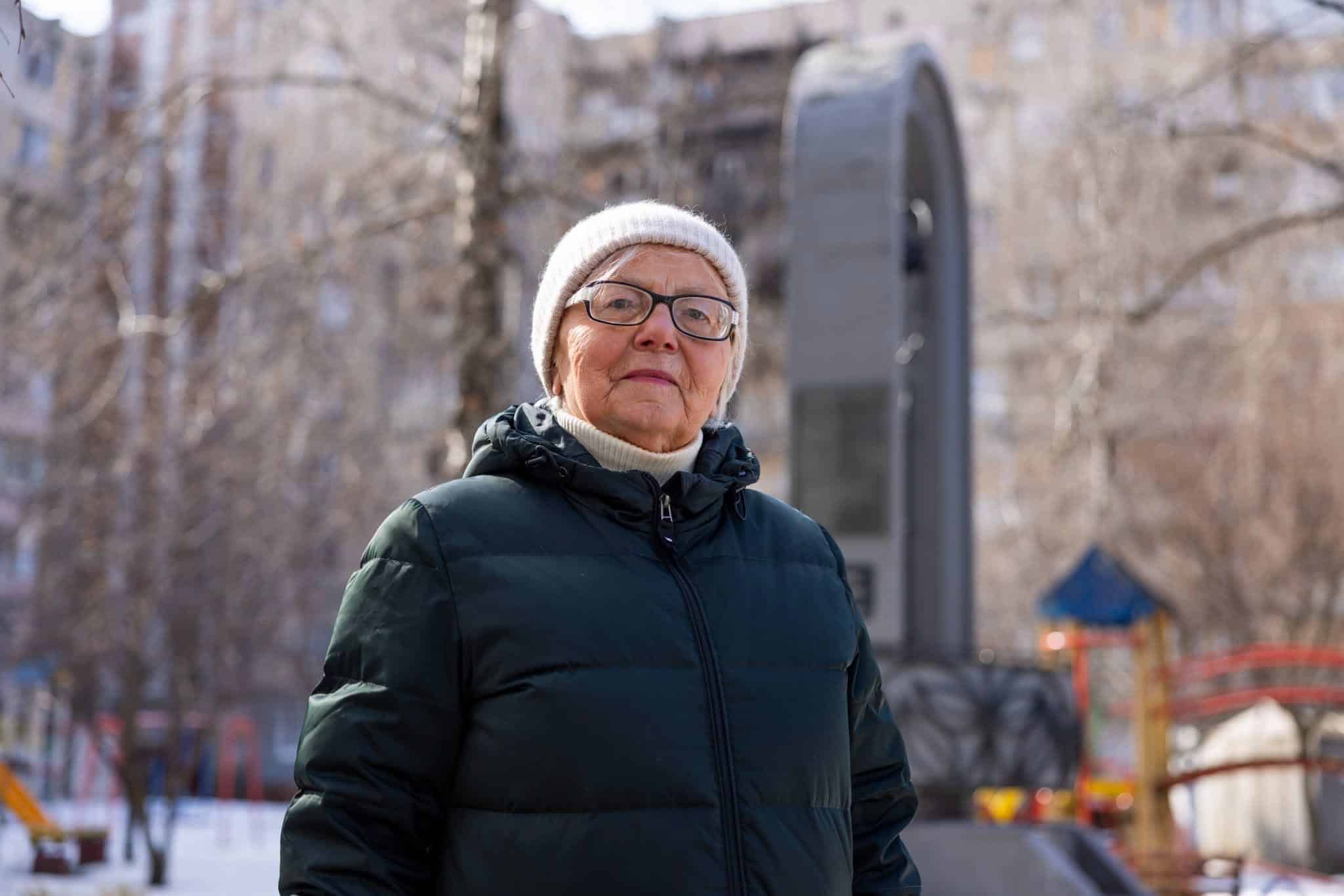
Liudmyla Dzhulai used her bare hands to undress injured firefighters and plant workers in the first hours after a nuclear reactor exploded in Chornobyl in 1986. Forty years later, the hero medic succumbed to an illness, Ukraine’s State Exclusive Zone Management Agency (SEZMA) said in a Facebook tribute.
Liudmyla Vasylivna Dzhulai died on 22 November at the age of 78. Her death was also confirmed by Ukraine’s National Chornobyl Museum, which described her as ‘a warm, compassionate and kind person who devoted herself to medicine.’
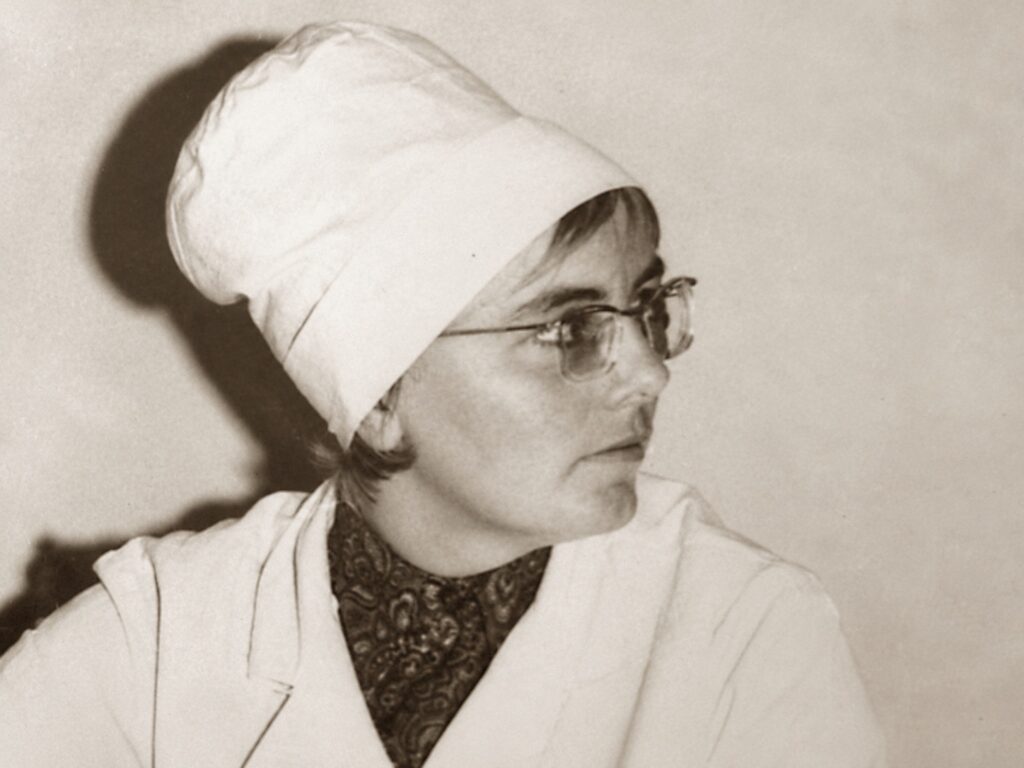
One of Pripyat’s earliest residents, Dzhulai was a paramedic at the town’s Medical and Sanitary Unit No. 126. She lived in the fourth apartment block in the vicinity of the Chornobyl Nuclear Power Plant (NPP) and worked in emergency care at the local clinic.
When a larger clinic opened, she became its first nurse assigned to care for workers at the nuclear plant.
First Chornobyl casualties
At about 1.20am on 26 April 1986, explosions rocked Reactor No. 4 of the Chornobyl nuclear power plant during a safety test. In the hours that followed, firefighters and plant workers were brought to Unit No. 126, where Dzhulai worked.
The medics had no protective gear, and Dzhulai had to strip the patients of their contaminated clothes and carry them away with bare hands.
‘After that night I came home half-dead,’ she recalled. ‘My son was in the tenth grade. He had to give me something to drink and bring me round.’
The radiation burns were so severe, the agency said, that the skin on her fingertips lost the ridges needed to take her prints, SEZMA said.
Read more: IAEA says Chernobyl protective shield no longer effective
A call she couldn’t make
Two of her patients, Klavdiia Luzhanova and Kateryna Ivanenko, worked as guards at the NPP. Ivanenko asked Dzhulai to phone her elderly mother and tell her what had happened. By then, someone had cut Pripyat’s phone lines, and both women later died in a Moscow hospital.
For the rest of her life, Dzhulai blamed herself for failing to pass on the message.
Soviet authorities began evacuating Pripyat the following afternoon, about 36 hours after the explosions. About 49,000 people left. Dzhulai returned to the plant in May that year.
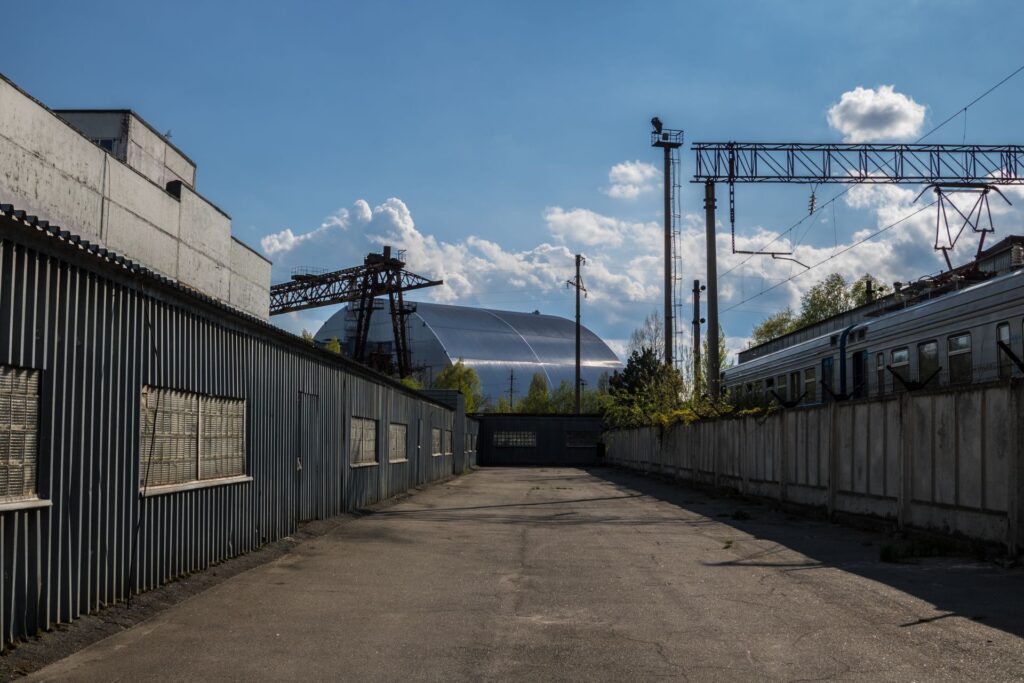
The National Chornobyl Museum said she worked eight 12-hour shifts there that month. On one of those shifts, the medic treated firefighters again after a fire broke out in the plant’s cable tunnels. She continued working in healthcare in Chornobyl until 1995.
Side story: Japan moves to restart world’s largest nuclear power plant after Fukushima shutdown
The book she took
Dzhulai once got back into her flat after decontamination crews had been through, and almost everything was gone. A book lay open. It was a collection of short stories titled Saying Goodbye Forever. Wrapping it in cellophane, she took it to Kyiv. Years later, she said she still had it.
In retirement, Dzhulai helped set up a Chornobyl museum in a Kyiv school. In 2025, she joined Chornobyl: A Woman’s Fate, a project documenting women’s experiences of the disaster.
Read more: Uzbekistan’s new nuclear safety rules set a low alert line
The shoes she left
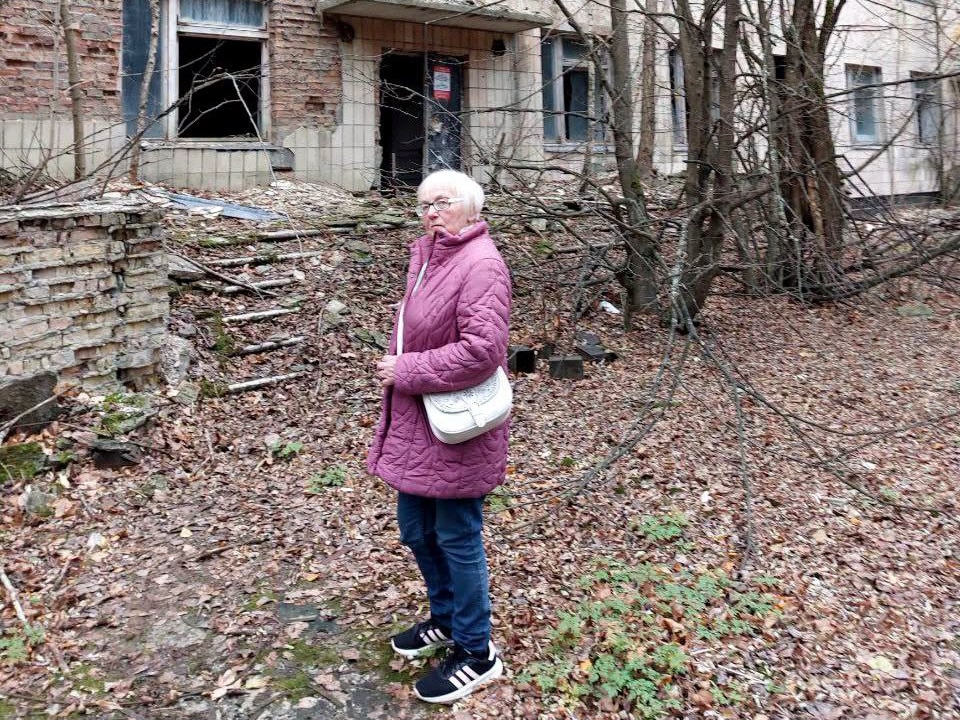
Dzhulai last visited her old medical unit in 2021, on the 35th anniversary of the Chornobyl disaster. On earlier visits, she had made a point of going into her office to check on a pair of shoes she had left there.
In 2024, when she returned to Pripyat for the last time, she didn’t go into the office. She still believed the shoes were in their usual spot.
‘There they are,’ she recalled, thinking on those earlier visits. ‘Waiting for me.’
