Uzbek Senate backs first-ever mobilisation bill covering troop call-ups

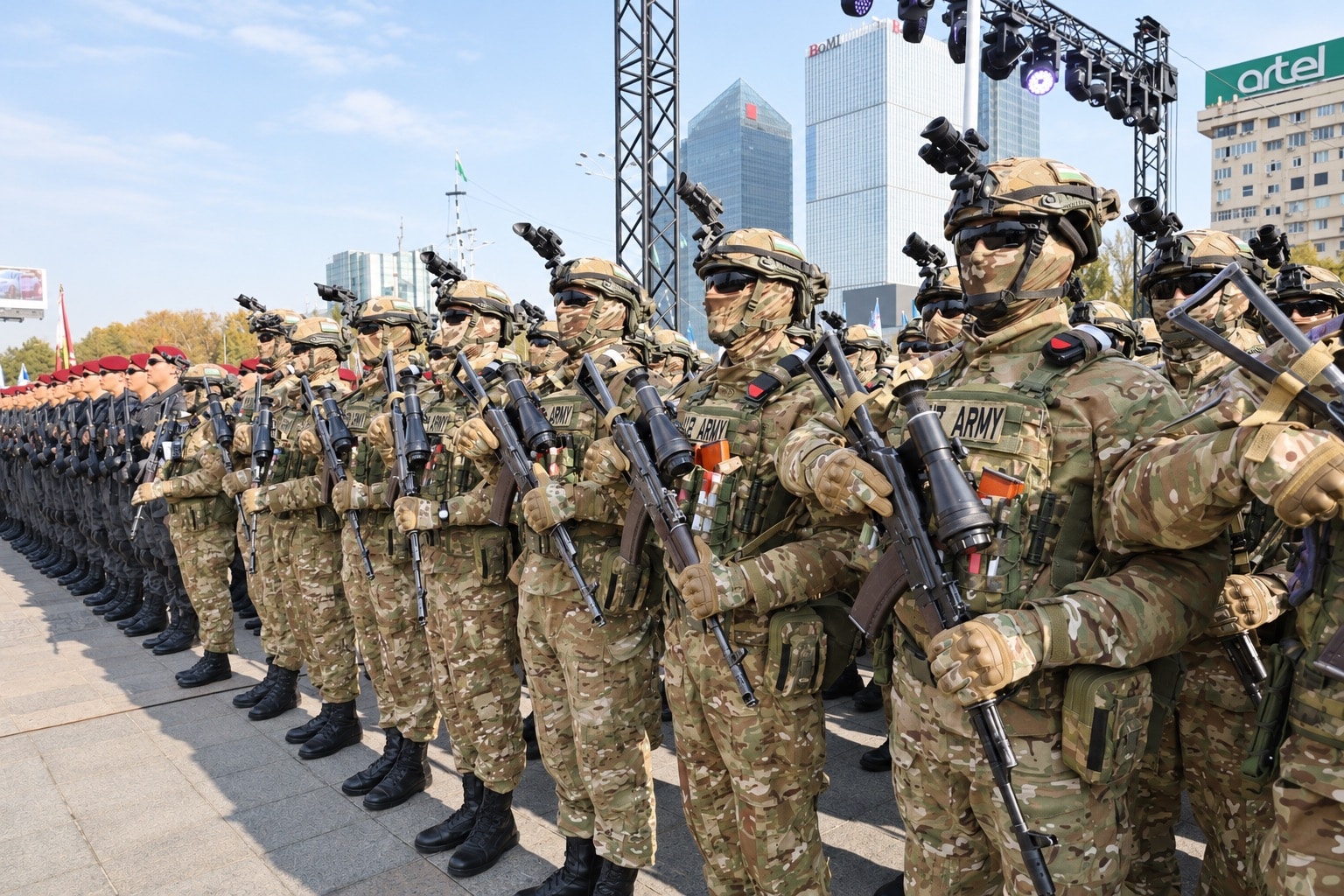
Uzbekistan’s Senate on 27 November approved the country’s first bill since independence that governs military mobilisation. The legislation sets out how the state would call citizens into service, obtain vehicles and buildings for the armed forces, and keep essential services running.
Senate Chair Tanzila Norbayeva stated that the bill would give Uzbekistan a firmer legal basis for protecting national security. In a crisis it would assist the authorities in protecting the population, meeting their basic needs and keeping the economy going.
The bill now goes to President Shavkat Mirziyoyev for signature and will come into effect one year after it is officially published.
‘Preparation for mobilisation doesn’t mean we’re expecting war. It means we’re taking the steps in advance to preserve peace, keep people safe and maintain the stability of the country,’ said Kutbiddin Burkhanov, Chair of the Senate Committee on Defence and Security, as he concluded his presentation of the bill.
Who can order mobilisation?
The President could declare either a general or partial mobilisation should Uzbekistan come under attack or be required to honour a mutual defence treaty. General mobilisation would apply to the whole country, while a partial one would apply to specific areas or sectors.
A mobilisation decree should be made public as soon as possible. The President must table it in both houses of parliament within 72 hours, and lawmakers will then have another 72 hours to consider it.
Who could possibly be called up?
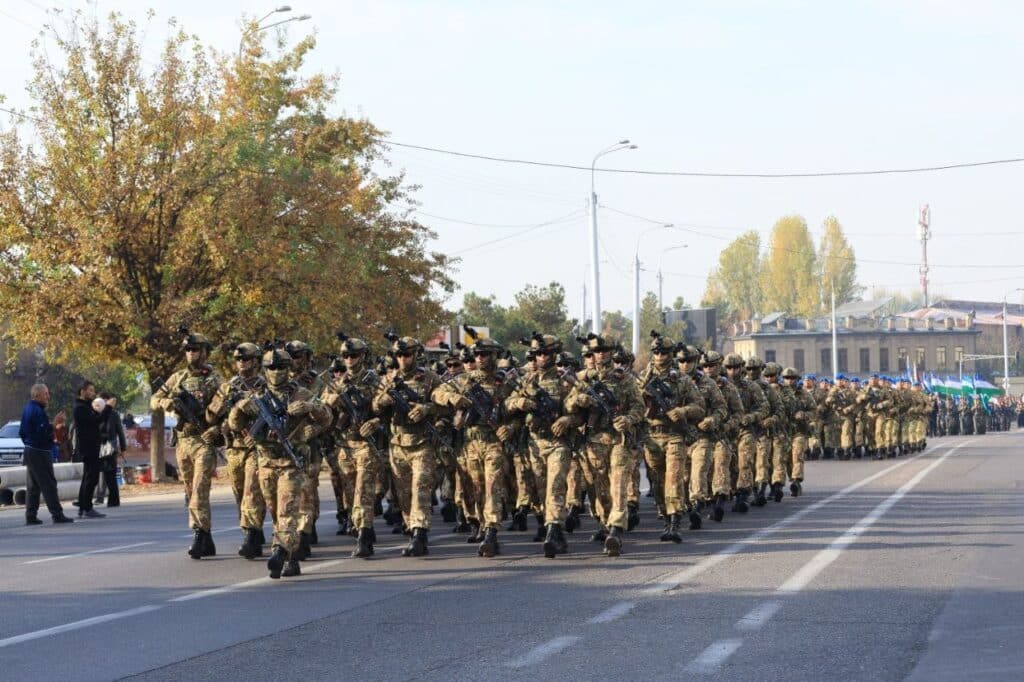
Under the current military service law, Uzbek citizens liable for service may be called up from the age of 18 to the upper age limit for their reserve category. Article 46 also covers women aged 18 to 45 who are not on the military register, with the exception of those who have children under 16. Anyone who is already serving or who is in military training will remain on duty until further notice.
The Senate would take into account health, family circumstances and dependants when making call-up decisions under the bill. Some people would be eligible for deferment (though the Senate’s public summary doesn’t provide a full list of those eligible).
Read more: Alisher Kadyrov: ‘Women should have the right to serve in the army’
Could the military use civilian vehicles or buildings?
The bill covers vehicles, buildings, equipment and other property of individuals and businesses. If the armed forces required a haulier’s lorry, for instance, the owner would be able to make a claim for damage. Under the current 2015 rules, the state would pay out the market value of property that is rendered beyond repair. An owner would need a document of handover to make a claim.
The same rules exclude lost profits. For the haulier, this creates a gap between the cost of repairing the lorry and the income lost while it is off the road. That was the issue raised by the Senators. Deputy Defence Minister Karshiev announced that his ministry would put forward proposals to change the compensation rules for jobs, taxes and loans.
Up close: Arslon, Tofon, T-64: Uzbek-designed heavy armour departing from Soviet designs
When could Uzbekistan release its wartime stockpiles?
The state would build up reserves of food, fuel and other essential commodities. Article 35 would allow the authorities to draw on those reserves in peacetime in exceptional circumstances (e.g., to prevent an emergency, to deal with the aftermath of an emergency or to provide humanitarian assistance). They would have six months in which to replace what they had used.
Senator Uktamjon Akhunov said the reserves could also be used to protect the population in the event of a natural disaster which disrupts the supply of food, fuel and other essentials. ‘It’s very difficult to predict when or where a natural disaster will strike,’ he said, calling on the authorities to build up their emergency stocks at this very moment.