
The build-up to the 2026 FIFA World Cup draw has become as much a political spectacle as a sporting event, with Donald Trump set to speak at Friday’s ceremony in Washington — despite being allocated just three minutes that few expect him to keep.
The draw, originally intended for Las Vegas, was moved to the Kennedy Center at the recommendation of the Trump administration. Reports suggest FIFA is paying no rental fee for the venue but has committed to a $2.4mln donation and additional sponsorship concessions worth $5mln. The move comes amid controversy over Trump’s unilateral reshaping of the Center’s board, prompting many artists to boycott the venue.
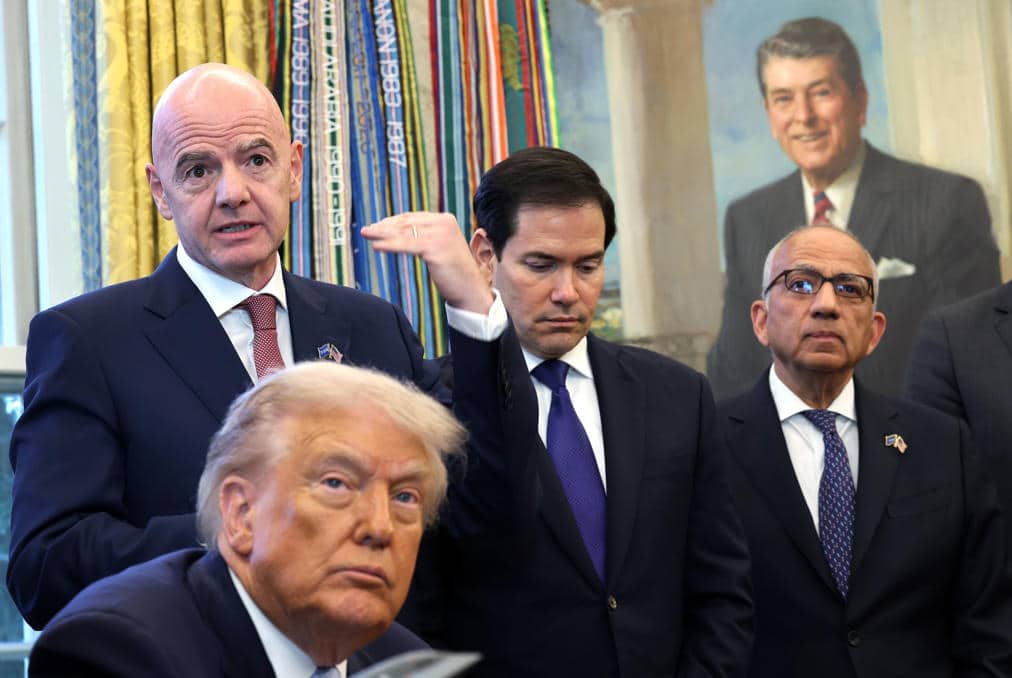
Star attendees for the draw reflect the shifting power dynamics around the 2026 tournament, co-hosted by the United States, Canada and Mexico. While US sporting icons like Wayne Gretzky will feature, no major Mexican representatives are expected — underscoring the American-dominated optics of an event split across three nations.
FIFA has also refused to release details of its inaugural Peace Prize, widely expected to feature Trump prominently. Insiders claim some within the organisation view the prize as a potential rival to the Nobel Peace Prize — a notion critics call political theatre.
Tensions around Trump’s role come as he continues to make provocative statements, including suggesting World Cup matches could be moved away from «trouble» cities. Observers warn such interventions highlight the risks of FIFA’s growing proximity to divisive political figures.
Despite the backdrop, Friday’s draw will proceed with its sporting purpose: sorting 48 teams into 12 groups. The expanded format reduces the peril for top nations, though teams such as Norway in Pot Three could still present challenges.
For fans, the announcement will also clarify the hefty travel and accommodation costs associated with a continental-scale World Cup — another reminder of how commercialisation now sits at the heart of FIFA’s flagship event.
But above all, Friday’s ceremony will spotlight one thing: Trump’s presence at the centre of a tournament increasingly shaped by politics as much as football.