Thailand Launches Airstrikes After Deadly Border Clashes With Cambodia

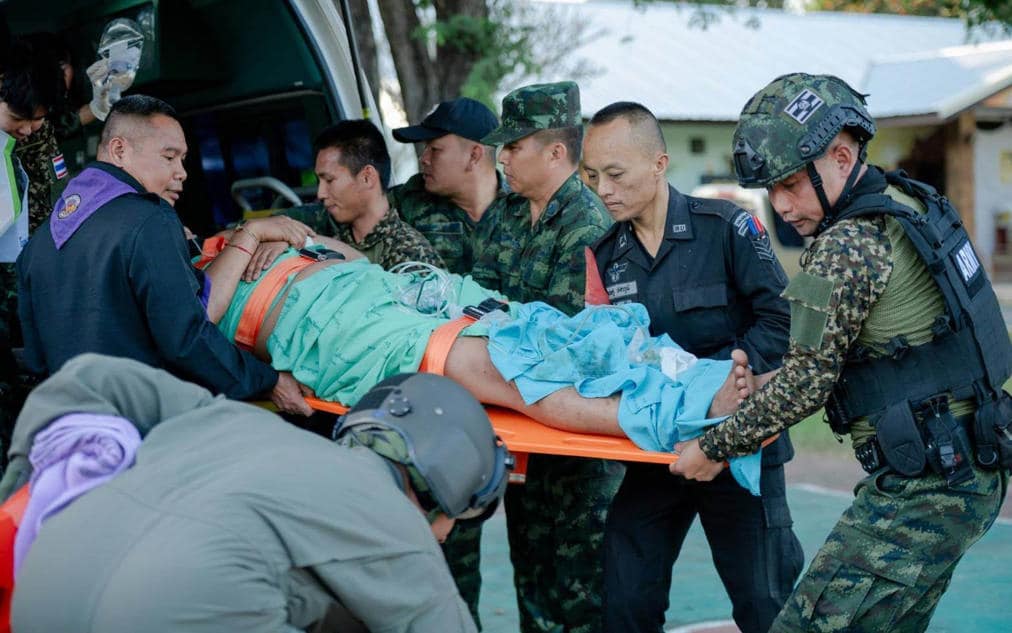
Thailand carried out renewed air and ground strikes along its disputed border with Cambodia on Monday, escalating a conflict that both sides accuse the other of reigniting despite a ceasefire brokered by former U.S. president Donald Trump just six weeks ago.
The Thai military said the operation came after Cambodian forces opened fire in Ubon Ratchathani province on Sunday, killing at least one Thai soldier and wounding eight more. Army spokesman Winthai Suvaree said the strikes targeted only military positions and prioritised civilian safety. Cambodia, however, reported that four civilians were killed and at least 10 injured.
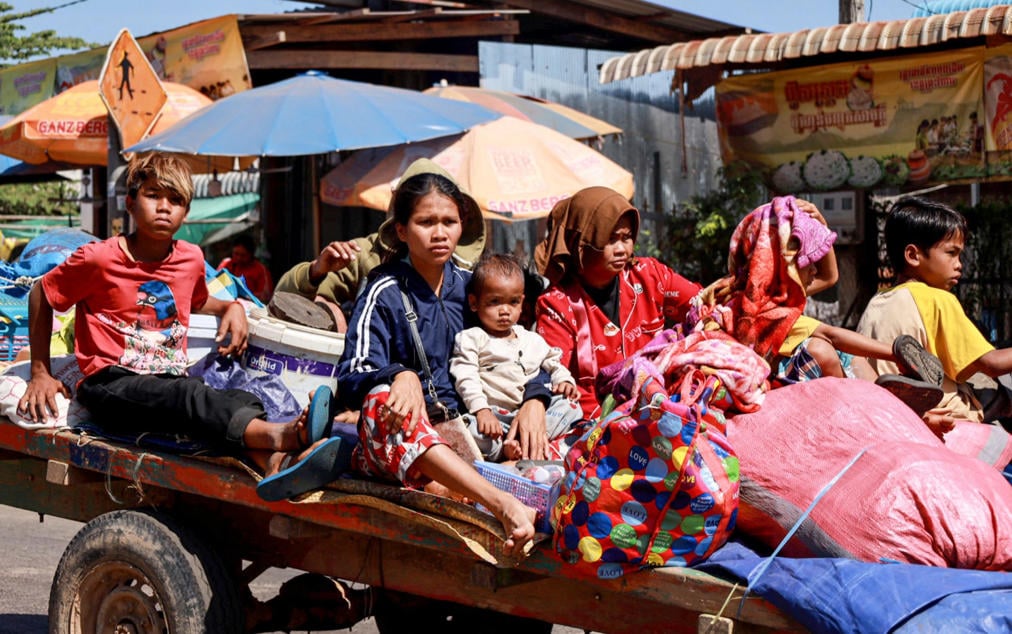
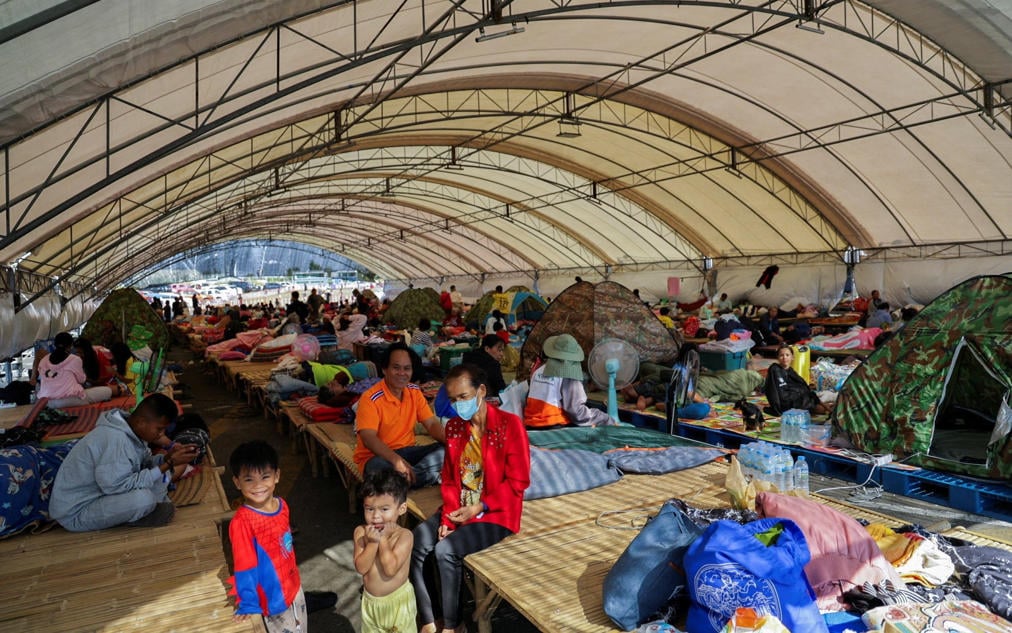
More than 35,000 residents have fled their homes since Sunday’s clashes, with images showing families crowding shelters in Thailand’s Buriram province and Cambodia’s Preah Vihear region.
Prime minister Anutin Charnvirakul insisted Thailand was acting in self-defence and «never wishes to see violence,» while Cambodia’s defence ministry accused Thai forces of launching unprovoked dawn attacks after «days of provocative actions».
The confrontation marks the most serious escalation since July’s five-day conflict that killed at least 48 people and displaced 300,000. Hopes for de-escalation had risen after Thailand and Cambodia signed the Kuala Lumpur Peace Accord in October — a ceremony Trump personally presided over and later claimed as a foreign-policy achievement.
But the deal left key territorial issues unresolved, and tensions swiftly resurfaced. Thailand suspended implementation of the agreement last month after soldiers were injured by land mines.
Regional leaders are now urging restraint. Malaysian prime minister Anwar Ibrahim, who helped broker the ceasefire, called on both sides to «exercise maximum restraint» and resume dialogue. Analysts warn the violence could intensify before pressure from ASEAN, the U.S., and China forces another temporary halt.
«This conflict is episodic and recurring,» said Tita Sanglee of the ISEAS–Yusof Ishak Institute. «It is unlikely to end conclusively — but this round could become more intense than the July confrontation before another ceasefire takes hold.»
Kursiv Uzbekistan also reports that Uzbekistan’s gold and foreign currency reserves reached a record $61.2 bn, according to the central bank. Reserves rose 3.2% over the month and nearly 49% since the start of the year.