How to Keep Children Safe During Smog in Tashkent
This year, smog in Tashkent has made many children feel worse. Parents say their children cough more and feel tired. Doctor Pulatova talks about which children have more problems from dirty air and what signs parents should watch for
How does polluted air affect children’s health
Breathing dirty air for a long time hurts children more than adults. Smog makes their nose and throat sore and makes it easier for them to get sick. Some children may have trouble breathing, cannot focus well and feel sick.
Children with allergies or asthma often get worse when there is smog. Children breathe faster than adults, so they get more dirty air.
Which children are most vulnerable to air pollution
Young children, especially under five, are more sensitive to dirty air. Their airways are small and react faster. Children with asthma, allergies, who get bronchitis often, who were born early or have long-term lung or heart problems are also at high risk.
What symptoms should parents pay attention to first
Parents should watch for symptoms like dry cough, worse cough than usual, wheezing or trouble breathing, red or watery eyes, headaches, weakness and less appetite. Allergies and asthma often get worse during smog. Smog can build up in the body, so do not wait for symptoms to go away on their own.
How to know if it’s safe to take a child outside today
Check the Air Quality Index (AQI).
- If AQI is 50 or less, the air is safe.
- If AQI is between 50 and 100, children can walk outside but should not run or play hard.
- If AQI is over 100, children should spend less time outside, especially if they are young or have allergies.
- If AQI is 150 or more, children should stay inside as much as possible.
- If it exceeds 200, it’s best to stay indoors.
When are the safest hours for walking
The air is usually cleanest from 7 to 10 in the morning. The next safe time is after 8 in the evening. The air is dirtiest at midday and when traffic is heavy.
Can children do sports outdoors during smog
When children run or play hard, they breathe in more dirty air. If AQI is over 100, children should not do sports outside.
Should children wear masks? Which ones
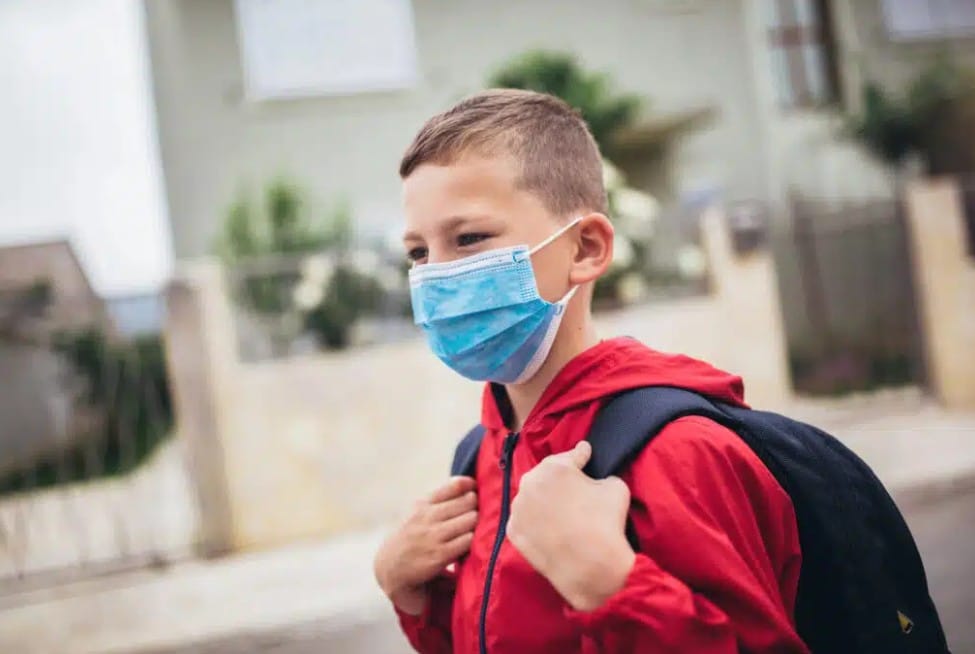
Children under two should not wear masks. Children three or four years old and older can use KN95 or N95 masks made for kids. Usual medical masks do not protect against tiny particles.
How to reduce harm at home
Open windows in the morning or evening when the air is cleaner. HEPA air purifiers help lower pollution inside. Keep the air not too dry or too wet, between 40 and 60 percent. Cleaning with a wet cloth reduces dust.
Drinking enough water keeps airways healthy. Washing the nose with salty water helps with allergies.
When should you seek urgent medical care
Bad trouble breathing, wheezing, skin pulling in between the ribs, blue lips or nails are danger signs.
High fever, extreme tiredness or not wanting to drink are also reasons to see a doctor.