Uzbekistan to Ban Cash Payments for Alcohol and Tobacco

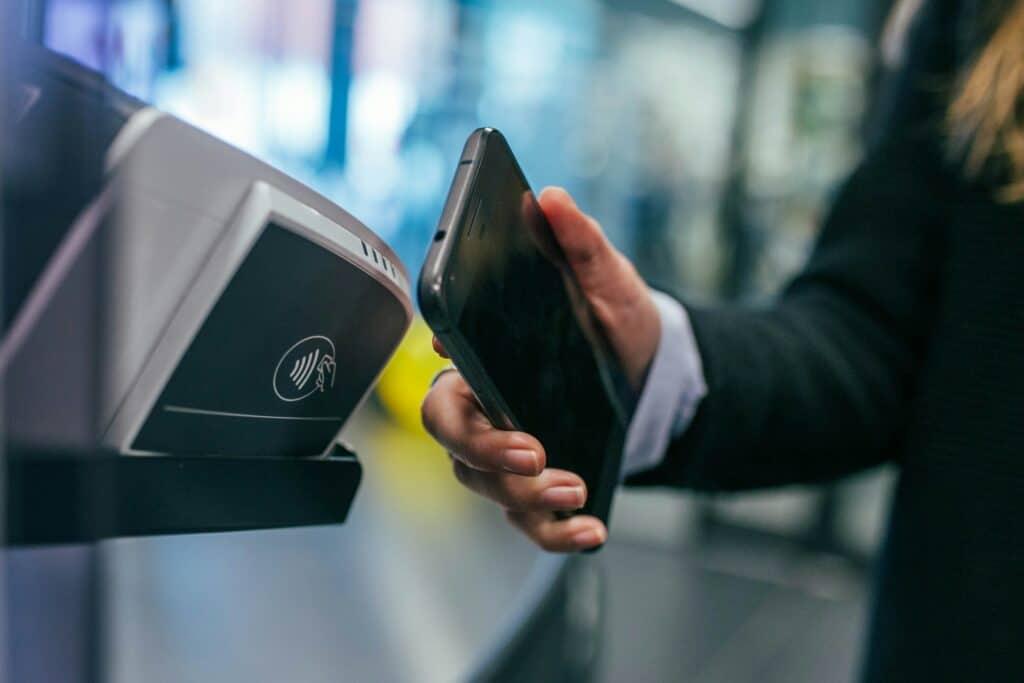
Uzbekistan is accelerating its transition to a digital economy with sweeping new restrictions on cash payments and ambitious targets for cashless transactions, Trend reports via the Chamber of Commerce and Industry.
Under a presidential decree signed by President Shavkat Mirziyoyev, cash payments for alcohol and tobacco products will be banned starting April 1, 2026. The measure is part of a broader national strategy titled «On Additional Measures to Promote Cashless Payments and Reduce the Share of the Shadow Economy.»
Cash payments will also be prohibited for:
- Utilities (electricity, natural gas, water)
- Fuel purchases and EV charging
- Government services
- Purchases of goods and services worth over 25 million soums ($2,080)
- Real estate and vehicles under 10 years old, including special-purpose transport
Ambitious cashless targets by 2030
The decree outlines Uzbekistan’s goal to increase the share of cashless payments in trade and services to 75% by 2030. It also sets several benchmarks for reducing the shadow economy, including:
- Cutting the size of the unobserved economy relative to GDP by 1.3 times.
- Increasing formal-sector employment to 64% of the active population.
- Improving Uzbekistan’s international rankings by at least 30 places in both the Index of Economic Freedom and the Corruption Perceptions Index.
Uzbekistan’s digital payments evolution
Uzbekistan’s shift toward non-cash transactions began in 2004 with the launch of the Uzcard system and accelerated after 2017 amid economic liberalization. Key milestones include:
- Expansion of ATM and POS networks under the «Digital Uzbekistan 2030» initiative.
- Formal legalization of e-money in 2020, beginning with the registration of OSON.
- Rapid adoption of QR-based payments and contactless technologies.
- Expected nationwide rollout of unified QR payments and cashless public transport by 2025–2026.
Authorities say the move to limit cash circulation will strengthen transparency, combat the shadow economy, and modernize the national financial system.
The combined initiatives reflect Uzbekistan’s intent to integrate deeper into the global digital economy while improving accountability and business competitiveness.
Kursiv Uzbekistan also reports that Uzbekistan has taken a major step toward becoming Central Asia’s fintech hub after President Shavkat Mirziyoyev signed a sweeping decree on 28 November approving a regulatory sandbox for stablecoin payments, set to launch on 1 January 2026.
