Fun and Fascinating New Year’s Traditions from Around the World


When midnight is close, people all over the world do little rituals to bring luck, love and success for the new year. Some of these are fun, some are meaningful and some just help us feel good as we start fresh.
Below is a whirlwind tour of popular lucky rituals from around the world.
Magic, Symbols and Hope for the New Year
Writing down your wishes
- Write your goals in a journal. Seeing them on paper helps you picture them and shows you’re serious about making them happen.
- Write your worries, mistakes, or bad habits from last year on a piece of paper. Burn the paper to let go of the past and make room for positive thoughts.
- One popular ritual is to write a short, personal wish on paper. As midnight gets close, burn the paper and let the ashes float away, sending your wish out into the world.
- After popping the champagne at midnight, write down your wishes and put the note inside the empty bottle. Seal it up and keep it hidden as a promise to yourself, showing patience while you wait for your wishes to come true.
- Another champagne ritual is to write your biggest wish on a small piece of paper, burn it at midnight, drop the ashes into your champagne, and drink it all at once.
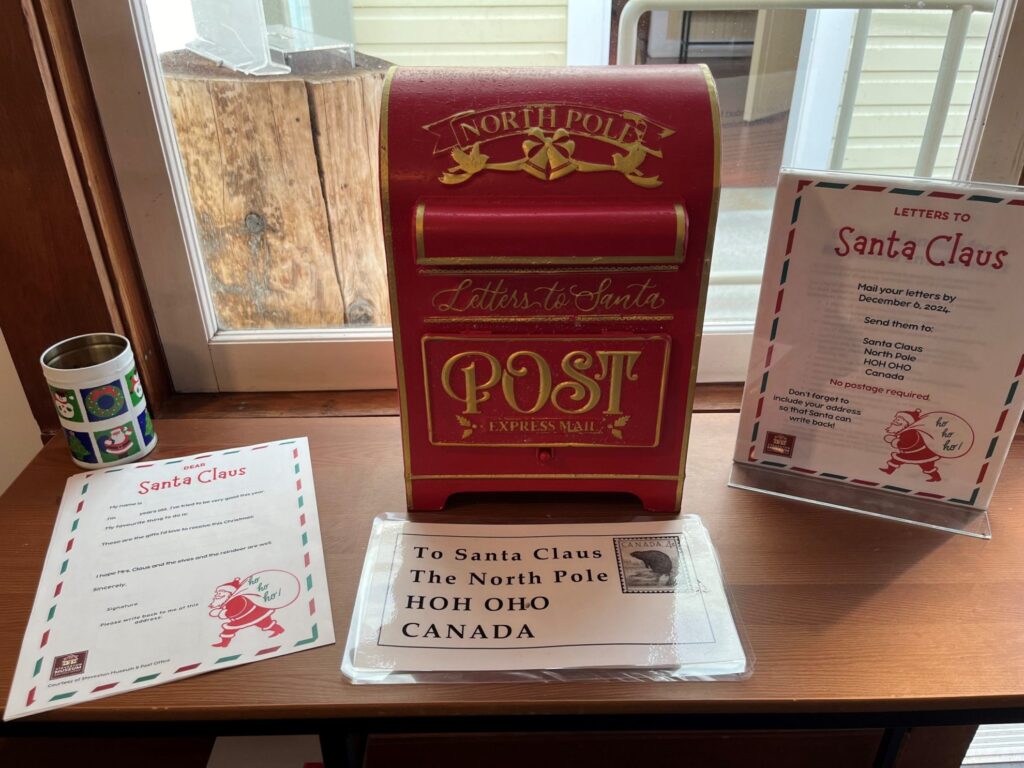
- Write a letter to Santa with your wishes. Seal it in a nice envelope, label it, and store it away. Next New Year’s, open it to see which wishes came true.
- Before bed, write a few wishes on small pieces of paper and put them under your pillow. On New Year’s Day, pick one at random—the wish you choose is the one that’s meant to come true.
- Make a wish while folding an origami figure. Focus on your wish, and then hang the origami on your Christmas tree.
Wearing special clothes
- In the Philippines, polka dots are more than a fashion choice. The round shapes symbolise coins, wealth and good fortune. Many people wear polka dot dresses, shirts or accessories on New Year’s Eve.
- Wearing red underwear on New Year’s Eve is believed to attract romance and good fortune in relationships during the coming year.
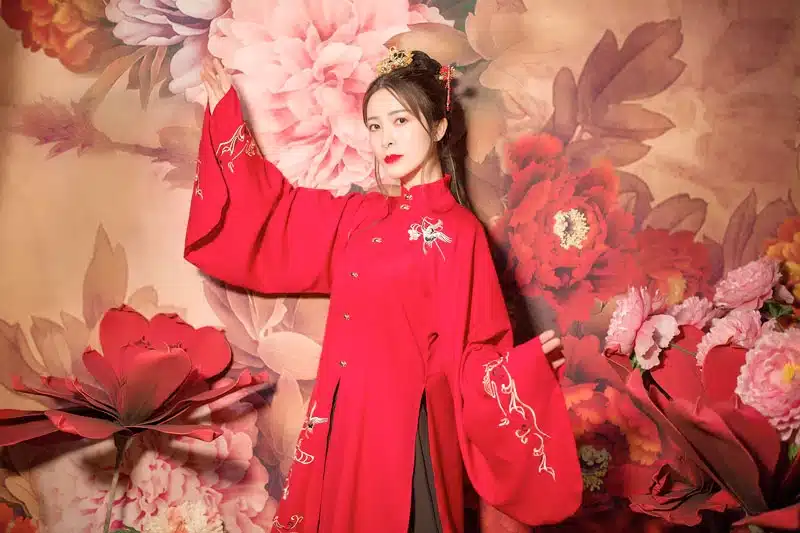
- In Chinese culture, red is a lucky colour. People wear red clothes or decorate their homes with red items to bring good fortune.
- In Brazil, wearing white on New Year’s Eve symbolises peace and harmony. Beaches fill with people dressed in white as they welcome calm and balance into the year ahead.
- In Germany and Austria, small lucky charms are exchanged as gifts. Popular symbols include pigs for wealth, horseshoes for protection and clovers for luck. Many are made from marzipan or pastry.
- In Colombia, people who want to travel walk around the block with an empty suitcase on New Year’s Eve. It’s a fun way to wish for new adventures in the year ahead.
- A lot of people believe that starting the new year with money in your wallet means you’ll have more money all year long. It’s an easy way to hope for financial luck.
Home decorations
- In Ireland, people put mistletoe under their pillow on New Year’s Eve, hoping to dream about their future partner.
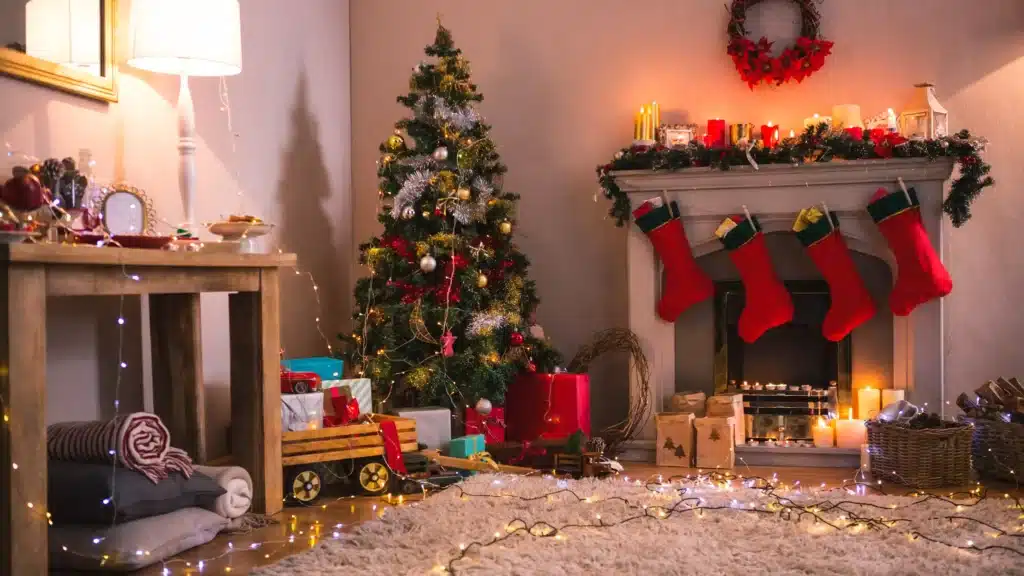
- Decorate your home with something that stands for your wish. A palm tree could mean you want to travel, or a book could show you hope to learn new things.
- In Greece, people hang onions above their doors because onions keep growing even when no one cares for them. This makes them a symbol of growth and good luck for the year.
Fruits and food traditions
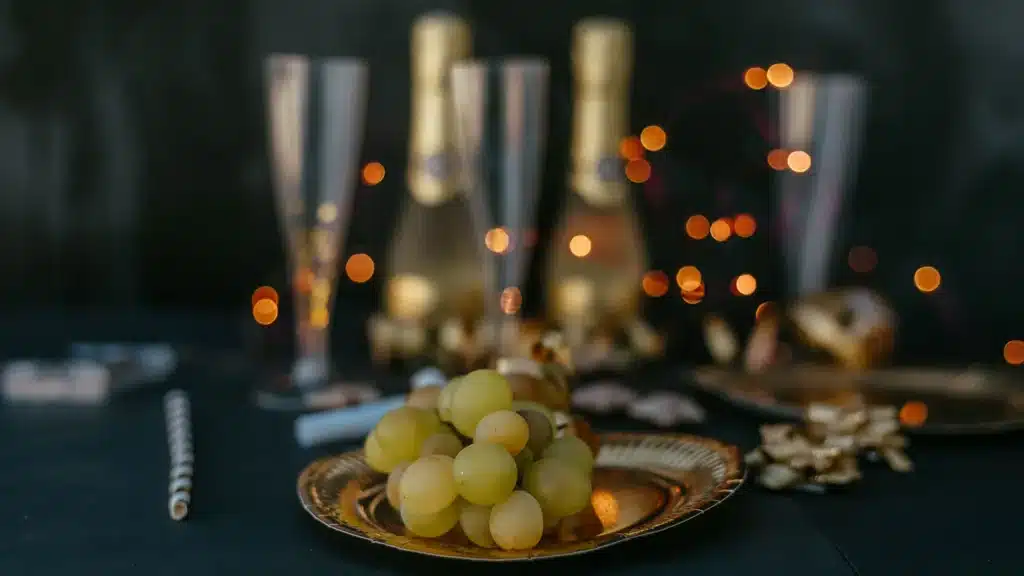
- In Spain, people eat 12 grapes at midnight—one for each stroke of the clock. Each grape stands for a month of good luck. Some even sit under a table while eating the grapes, hoping it will bring them love in the new year.
- In some places, people eat black-eyed peas (they look like little coins) and collard greens (which look like paper money) for luck and wealth. Some try to eat 365 peas—one for each day. Cornbread is added as a symbol of gold.
- In Japan, making mochi on New Year’s Eve is a ritual tied to renewal and blessing.
- In Greek tradition, pomegranates represent abundance and fertility. At midnight, a pomegranate is smashed outside the front door. The more seeds that scatter, the more luck the household is believed to receive.
- In Ireland, people bang bread against the walls to chase away bad spirits and keep the home safe.
- In China, people throw eight perfect oranges into their home to invite success. They share the oranges with friends and family during the days that follow, saving the last one to eat at the end.
New Year Activities
- In Brazil, people celebrate New Year’s Eve at the beach by jumping over seven waves, making a wish with each jump.
- In Denmark, people stand on chairs and jump off at midnight. This leap is supposed to bring good luck for the year. Missing the jump is thought to bring bad luck.
- Watching the first sunrise of the year is thought to bring luck. In Japan, this is called hatsuhinode, and people wake up early to greet the sun on New Year’s Day.
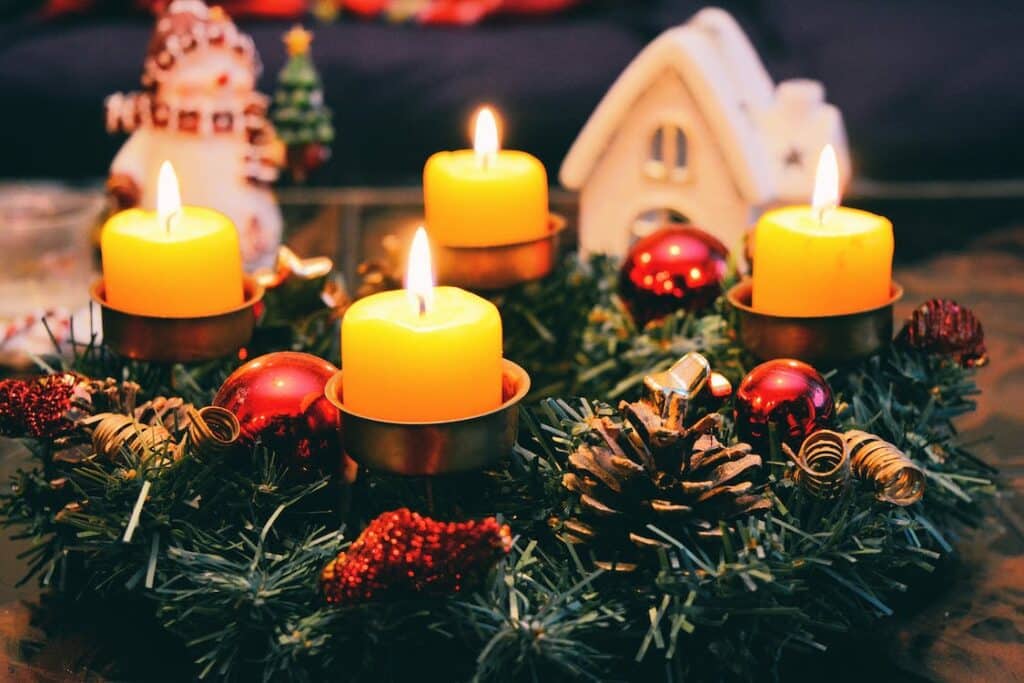
- Light a special candle at midnight and whisper your wish over the flame. Let the candle burn out safely as a sign of patience and trust.
- In Ecuador, people make figures out of sawdust and paper to represent the old year. At midnight, they burn them to let go of bad memories and start fresh.
- In Puerto Rico, people throw water outside to wash away bad energy. Some sprinkle sugar instead, hoping to bring sweetness and good luck.
Turning New Year’s Wishes Into Real Change
Rituals and traditions can help us feel positive at the start of a new year, but real changes happen when we turn our wishes into actions. When we set clear goals, we can make our dreams come true, step by step.
- Start Small. Avoid overwhelm by handling one manageable goal at a time. Build confidence with easy wins like using a planner, limiting email checks, adding short daily movement or reviewing your budget.
- Know your strengths and challenges. Be honest about your habits and what gets in your way. Choose goals that fit your life and use what you’re good at to help you succeed.
- Build a support team. Ask friends, mentors, or coworkers to cheer you on and help you stay on track.
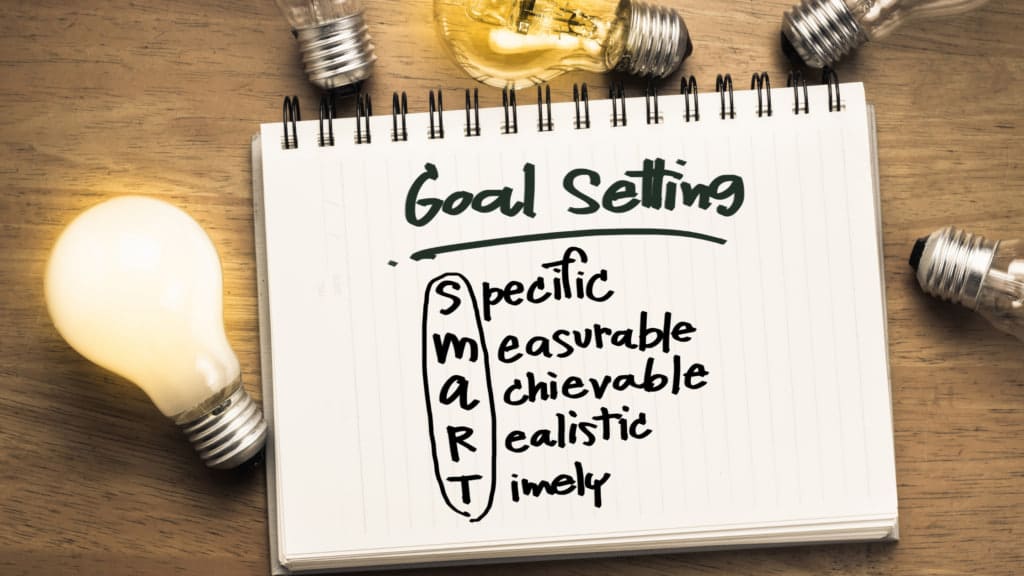
- Use SMART goals, make your goals Specific, Measurable, Achievable, Relevant, and Timely. This helps you stay on track and not get overwhelmed.
- Remember your «why.» Set goals for reasons that matter to you, not just because someone else says so. When things get tough, thinking about your «why» can help you keep going.
- Stay flexible. Life changes, so it’s okay to adjust your goals. Make your goals fun and uplifting, not just about numbers or strict rules.
- Celebrate your progress! Notice and enjoy the small steps you take. Treat yourself to simple pleasures to keep your motivation high.
New Year’s rituals might not promise good luck, but they give us something just as important: a fresh start. If we add a little planning and kindness to ourselves, these traditions can help us turn our hopes into real actions for the year ahead.ards yourself, they can be the spark that turns hope into action for the year ahead.