China Sanctions Boeing after US Approves $11 Bn Arms Sales to Taiwan

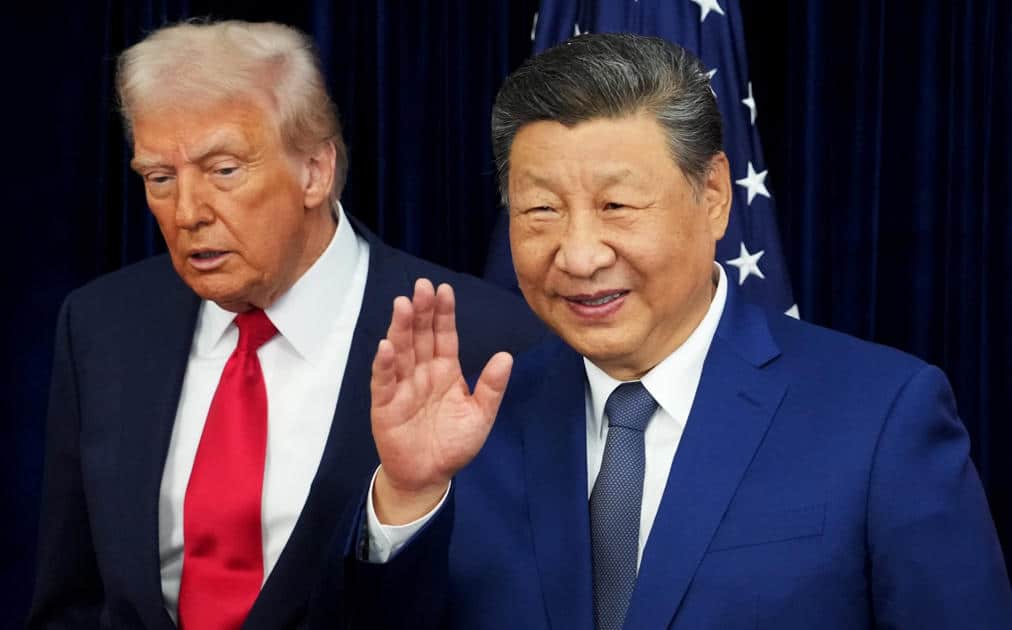
China has imposed sanctions on Boeing and a range of US defence firms after the administration of Donald Trump approved one of the largest-ever packages of arms sales to Taiwan.
Beijing’s foreign ministry announced sanctions on 10 individuals and 20 US defence companies, including Boeing’s production hub in St Louis, Missouri, a key manufacturing centre for fighter jets such as the F-15EX Eagle and the MQ-25 Stingray aerial refueller. Other companies targeted include Northrop Grumman and L3Harris.
The move follows Washington’s approval of an arms deal worth more than $11bn (£8bn), which includes missile systems and drones for Taiwan and exceeds the total value of weapons sales approved under the Biden administration. The deal still requires approval from the US Congress.
China condemned the decision as a serious provocation, warning that the Taiwan issue is the «first red line» in China-US relations. The sanctions include asset freezes in China, business bans and entry prohibitions for listed individuals, including Palmer Luckey, founder of drone firm Anduril Industries.
While analysts say the measures are unlikely to have a major practical impact, they signal rising tensions between Washington and Beijing over Taiwan. China claims the self-governed island as part of its territory, while the US maintains unofficial relations with Taipei and is legally obliged to supply it with defensive weapons.
Kursiv Uzbekistan also reports that Donald Trump said the United States carried out a «powerful and deadly» strike against Islamic State militants in north-west Nigeria. He described the group as terrorists and accused it of killing civilians.