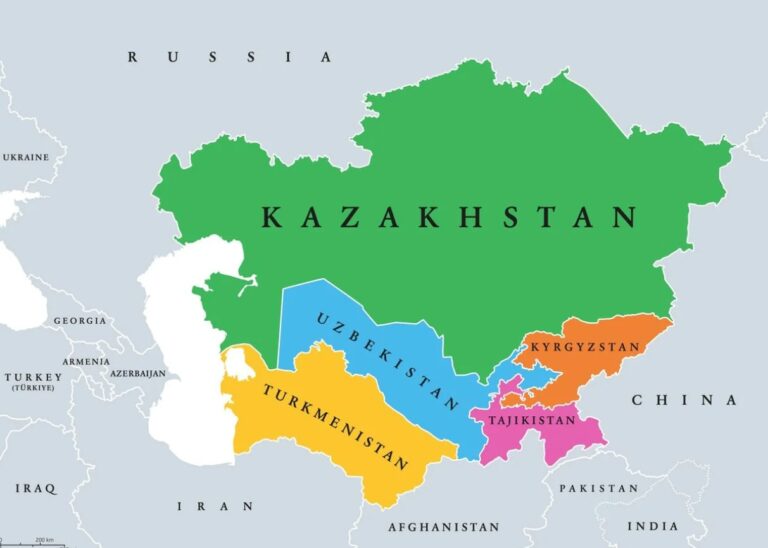


Decades of irrigation development in Uzbekistan have disrupted the natural flow of the Amu Darya River basin. This reduced the ability of ecosystems to recover and provide water during dry periods, according to a report by the Asian Development Bank (ADB).
The report highlights that up to 70% of water is lost between the river and agricultural fields. Despite these losses, Uzbekistan’s overall water supply score remained stable between 2013 and 2025, holding steady at five points. Similar patterns were observed in Kyrgyzstan, Turkmenistan and Kazakhstan. By contrast, Tajikistan improved its water supply score from three points in 2020 to four points in 2025, largely due to higher water tariffs.
ADB experts also noted significant progress in rural water security in Uzbekistan. The score for rural water access rose from 6.4 in 2013 to 8.2 in 2025. Over the same period, the health score among rural residents increased from 7.6 to 9.2.
The ADB highlighted Uzbekistan’s achievements, stating, «Uzbekistan’s progress in rural water supply and hygiene demonstrates what can be achieved through sustained investment, cross-sector coordination, and proactive management of climate risks.»
Kursiv also reports that the Green Climate Fund (GCF) has approved $250 mln for the Asian Development Bank’s «Glaciers to Farms» programme.