
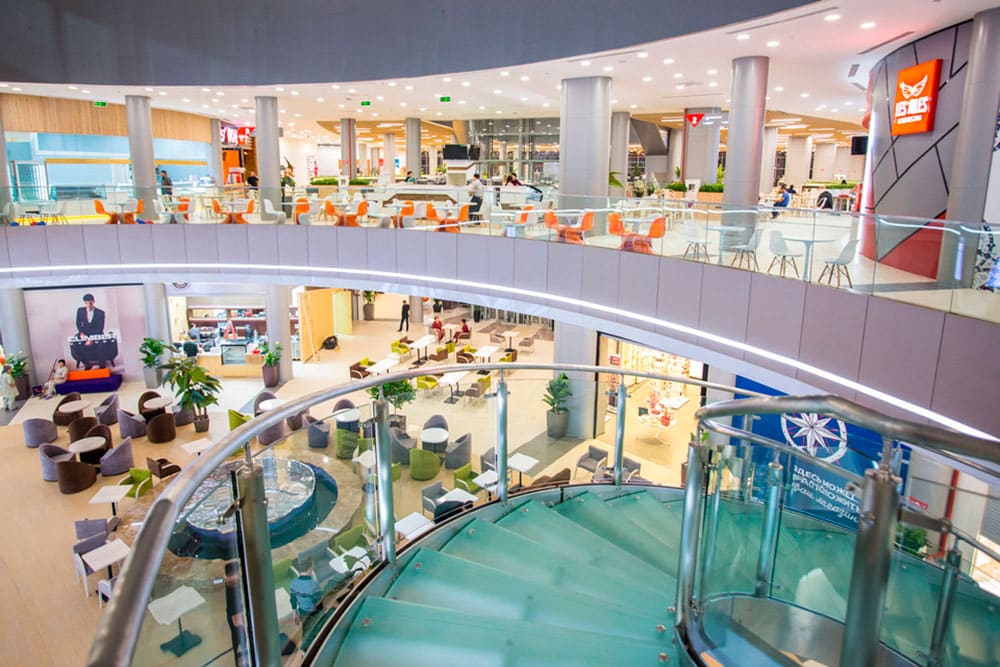
The volume of high-quality retail space in Tashkent reached 514,000 sq metres of gross leasable area by the end of 2025, according to an annual retail real estate market review by CMWP Uzbekistan.
The consultancy revised its database of modern shopping centres, excluding facilities that fail to meet key retail standards such as a clear concept and professional management. As a result, the updated list now includes 24 shopping centres, among them Tashkent City Mall, Park In Mall, Magic City and Samarkand Darvoza.
More than 100,000 sq metres added in 2025
Tashkent commissioned over 100,000 sq metres of new retail space during the year.
Major developments included High Town Mall, Yunusabad Gallery and Park In Mall, while Scopus Mall opened partially and is expected to become fully operational in 2026.
CMWP noted that not all newly launched projects meet the requirements of international retailers, though many are suitable for the expansion of brands already present in the Uzbek market.
Fewer new international brands enter the market
The arrival of new global retail brands in 2025 was more modest than in 2024.
CMWP attributed the slowdown to a high base effect last year, when the opening of Tashkent City Mall acted as a major catalyst. Brands entering the market in 2025 included Sinsay, Burger King, Intimissimi, Calzedonia, Weekend Max Mara and Marina Rinaldi.
Retail space provision remains low
Despite the expansion, Tashkent’s provision of quality retail space stands at around 165 sq metres per 1,000 residents.
By comparison, a saturated market typically records 450 to 500 sq metres per 1,000 people, indicating substantial room for further development across different retail formats.
Rents stable, vacancy elevated
Asking rental rates in shopping centres remained unchanged over the year, ranging from $15 to $70 per sq metre per month, excluding VAT and operating costs.
CMWP stressed that calculating an average market rate is misleading, as rents vary significantly depending on asset quality and unit location within malls.
Average vacancy across leading shopping centres stood at 18%, while a healthy level is considered no higher than 5%. Only five malls currently meet that benchmark.
In some cases, elevated vacancy reflects a deliberate strategy by owners to reserve space for future anchor tenants.
Quality to drive future growth
CMWP concluded that the market’s future will depend less on construction volumes and more on project quality.
Key success factors include concept development, marketing strategy, tenant mix, architectural design and management standards, which are increasingly decisive for retailers choosing where to operate.
Kursiv also reports that from 2020 to 2025, the number of branded hotel rooms in the country grew by 272%.