Former TV Host and Rapper to Run for PM in Nepal

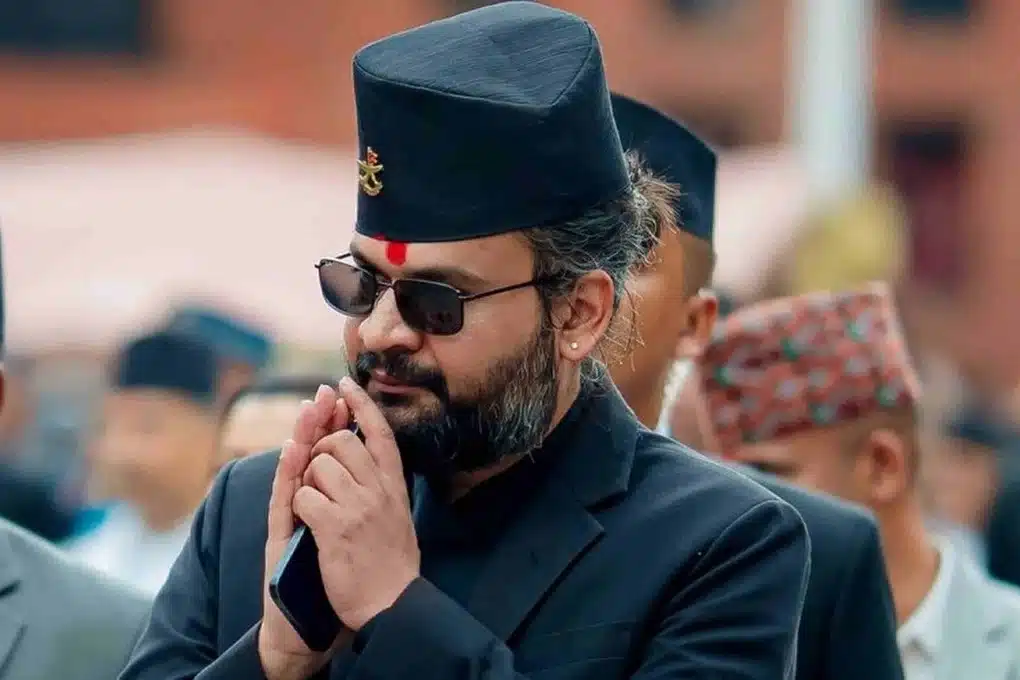
Two prominent leaders in Nepal have joined forces ahead of the parliamentary elections on March 5. They aim to challenge parties that have dominated the Himalayan nation’s politics for over 30 years. Party officials and analysts say the move could shake up the political landscape.
Rapper-turned-Kathmandu mayor Balendra Shah, widely known as Balen, has joined the Rastriya Swatantra Party (RSP), led by former TV host and politician Rabi Lamichhane, party sources said. Under the agreement, if the RSP wins the elections, 35-year-old Balen will become prime minister while Lamichhane, 48, will remain party chief.
Both leaders have pledged to respond to the demands raised during the youth-led protests in September, known as the «Gen Z» movement, which were triggered by widespread corruption. The protests left 77 people dead and led to the resignation of Prime Minister K.P. Sharma Oli.
Analyst Bipin Adhikari called the alliance «a very smart and strategic move» by RSP, adding that traditional parties now risk losing young voters to the new coalition. The election commission says nearly 19 mln of Nepal’s 30 mln population are eligible to vote, with almost one mln mostly young voters added after the protests.
Balen’s Role in Interim Government
Balen emerged as a prominent figure during the protests and helped form the interim government under former Chief Justice Sushila Karki to oversee the vote. Critics, however, questioned his visibility during the protests, noting he largely addressed supporters via social media rather than public appearances.
The alliance challenges the Communist Party of Nepal (Unified Marxist-Leninist) or UML, led by Oli, and the centrist Nepali Congress, which have dominated Nepalese politics for decades.
Lamichhane, who founded the RSP ahead of the 2022 elections, gained popularity through his anti-corruption campaigns as a television host. He is currently out on bail over allegations of misusing funds collected from small depositors by cooperatives.
Prakash Sharan Mahat, spokesperson for the Nepali Congress, described both leaders as «controversial» and said their alliance is unlikely to disrupt the dominance of established parties. «People will still choose the old and experienced parties,» Mahat told Reuters.