
In 2025, Uzbekistan’s tourism growth was no longer driven by a single reform or headline event but by the cumulative effect of many factors.
New air and rail routes reshape travel
New services connected cities of Uzbekistan to Kazakhstan. Bukhara was linked with Turkestan, Urgench with Aktau and Fergana with Almaty via Tajikistan. Andijan gained direct bus links to Osh, Jalal-Abad and Arslanbob, while Kasansay was connected with Jalal-Abad and Bukhara with Bishkek in Kyrgyzstan. Samarkand and Bukhara were also linked by direct routes to Dushanbe in Tajikistan.
One of the longest routes connected Surkhandarya region with Moscow via Bukhara, Urgench and Nukus. Additional services from Tashkent and Nukus to Ufa and Krasnodar expanded options for budget travellers and diaspora tourism to and from Russia.
Tourist trains strengthened regional travel circuits
In January, authorities confirmed the extension of the Jibek Joly tourist train to operate between Astana and Samarkand, building on an existing route between Samarkand and Shymkent.
Earlier itineraries allowed travellers to combine visits to Almaty, Turkestan and Tashkent. By autumn, three additional rail tours were launched, covering Tashkent, Samarkand and Bukhara.
Kazakh tourism officials reported that more than 1.4 mln citizens of Kazakhstan visited Uzbekistan in the first seven months of the year, underscoring the growing role of rail travel between the two countries.
New stations and faster trains boosted domestic tourism
Uzbekistan invested heavily in rail infrastructure aimed at leisure travel. In January, the Chinorkent railway station near Tashkent entered service, giving passengers direct electric train access to the mountain resort area and the Chinorkent cable car. Later in the year, daily express services from Tashkent’s southern railway station to Chinorkent were introduced.
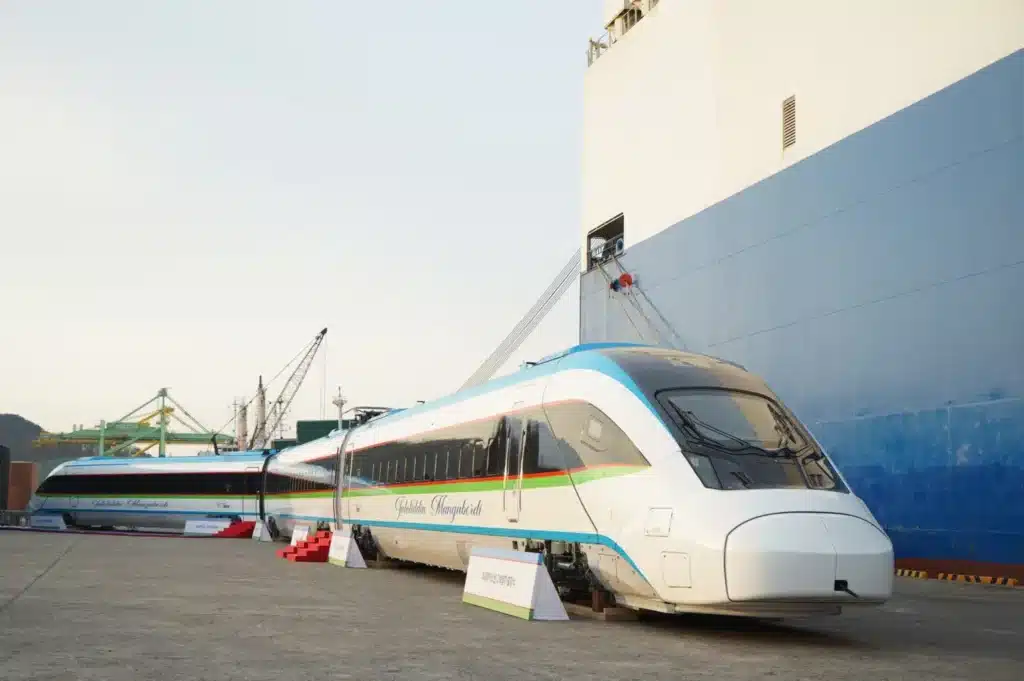
In December, Uzbekistan received its first high speed train from South Korea’s Hyundai Rotem. The new rolling stock was designed to operate in extreme heat and dust and was deployed on long distance routes, including the Tashkent to Bukhara corridor.
Airlines added Europe, Asia and the Middle East
Uzbekistan Airways adjusted European routes to bypass Russian airspace following guidance from the European Union Aviation Safety Agency and confirmed that ticket prices did not increase as a result.
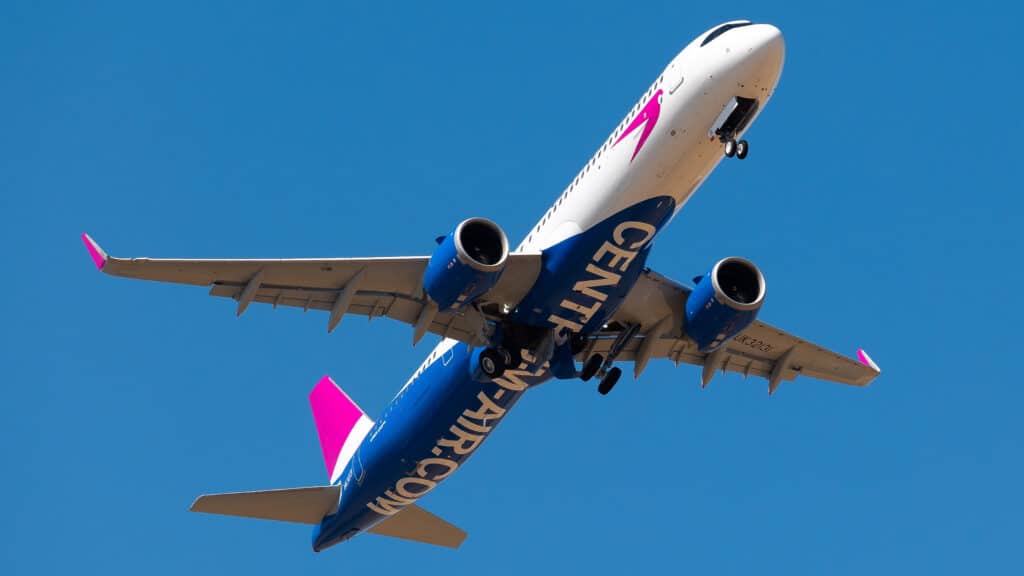
Chinese carrier Air China launched direct flights from Beijing and Urumqi to Tashkent. Centrum Air opened routes to Tel Aviv, Baku and Almaty in the spring and later added long haul leisure destinations including Phuket and the Maldives.
A major milestone came with the launch of regular flights from Tashkent to London Gatwick by Qanot Sharq. Centrum Air also opened its first European route to Copenhagen, signalling broader expansion into Western Europe.
Regional skies opened wider
Short haul and regional routes also multiplied. Kazakhstan and Uzbekistan agreed to raise the number of permitted weekly flights between the two countries to 238, with up to 42 flights per week on the busiest routes.
Qazaq Air launched direct services from Astana to Samarkand, while SCAT Airlines began flying from Turkestan to Urgench, Bukhara and Samarkand. Russian carrier S7 Airlines resumed flights from Novosibirsk to Bukhara after a two year pause, and low cost airline Pobeda launched routes from Moscow to Termez and Nukus.
Major events turned Uzbekistan into a year-round tourism magnet
Karakalpakstan emerged as one of Uzbekistan’s most visible cultural destinations in 2025. In April, Nukus hosted the first Aral Cultural Summit, organised by the Uzbekistan Art and Culture Development Foundation. The three day event combined panel discussions, networking forums and cultural programmes ranging from gastronomy to visual arts. The summit brought together local and international artists, researchers and environmental activists focused on sustainable development in Karakalpakstan.
Later in April, the international Eco-Save Aral 2025 marathon drew about 10,000 participants. The charity race attracted students, school pupils, military personnel, local residents and people with disabilities, turning a sporting event into a large scale domestic tourism draw.
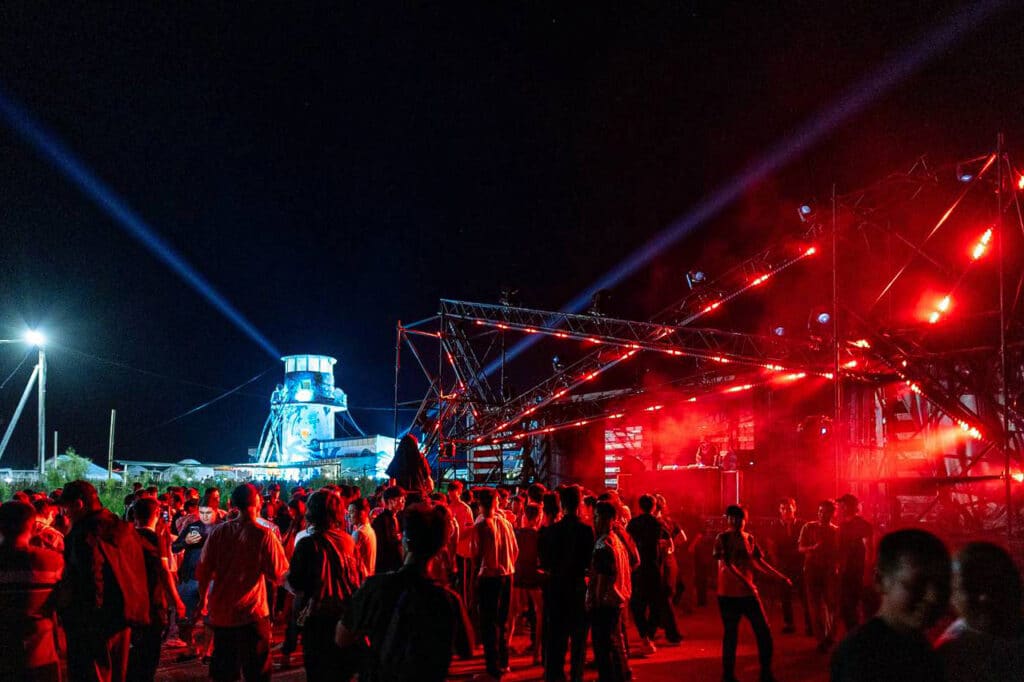
In late May, Muynak hosted STIHIA 2025, a festival of electronic music, science and art on the shores of the dried Aral Sea. More than 50 artists from Central Asia and beyond took part, alongside eco fairs, art installations and educational forums.


Samarkand and Bukhara anchored culture and gastronomy
Samarkand strengthened its status as a flagship destination for large scale cultural tourism. In May, the Urgut district hosted Uzbekistan’s first international paragliding festival, which brought together more than 100 pilots from over 15 countries. The event attracted thousands of visitors despite limited vehicle access, combining extreme sports with rural tourism.
In August, Samarkand hosted a three day plov festival that united Uzbek and international chefs. Seven tonnes of plov were prepared at the Silk Road Samarkand complex, alongside live music and culinary competitions. The festival promoted regional cuisine as a tourism asset and attracted large domestic and foreign crowds.
Bukhara also stood out as a cultural hub. The long running Silk and Spices festival brought together artisans from ten foreign countries and more than 200 participants from across Uzbekistan, reinforcing the city’s role as a centre of craft tourism.
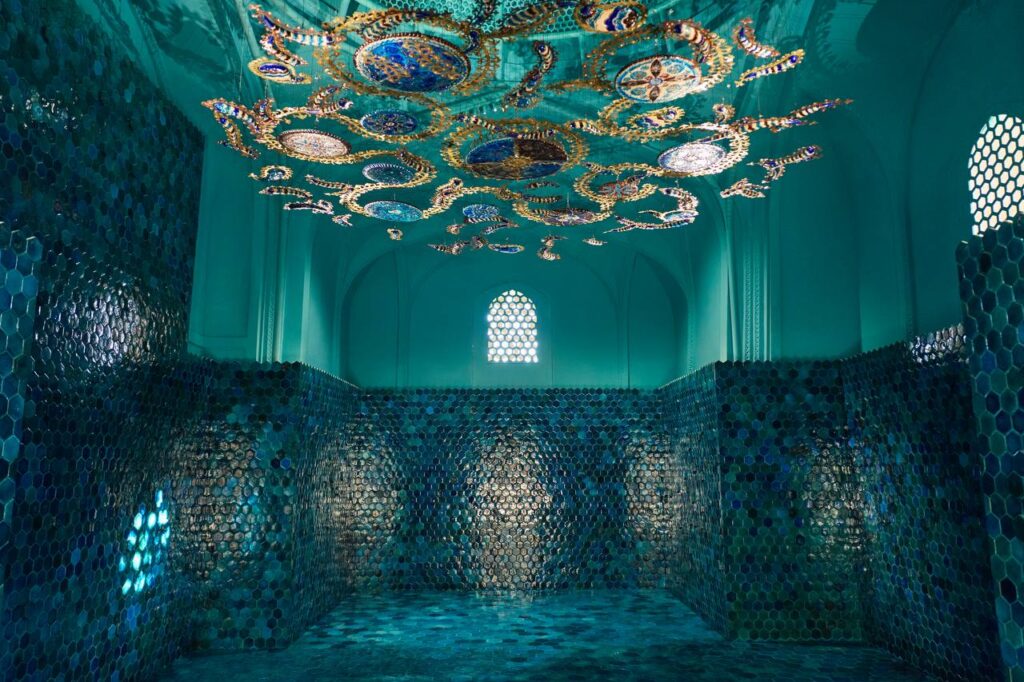
In September, Bukhara hosted its first contemporary art biennale, which triggered a surge in domestic travel. Aviasales.uz reported a 331% increase in bookings to Bukhara compared with the previous year, with the average stay lasting two days. Overall domestic travel across Uzbekistan rose 2.8 times during the autumn season.
International concerts boosted local tourism
One of the most significant tourism drivers of the year was the August 7 concert by Jennifer Lopez in Tashkent, her first ever performance in Uzbekistan. A total of 25,000 tickets were sold, with about 15,000 purchased by foreign citizens.

The largest group of foreign visitors came from Russia, followed by Kazakhstan. Ticket prices started at 800,000 soums. Media reports later showed that the event generated about $3.5 mln, in tax revenues for the Tashkent city budget, nearly three times more than a comparable concert held in Almaty days later.
Officials said the concert boosted hotels, restaurants and transport services and created temporary jobs across technical, marketing and service sectors. The government confirmed that the event was fully financed by private sponsors rather than the state budget.
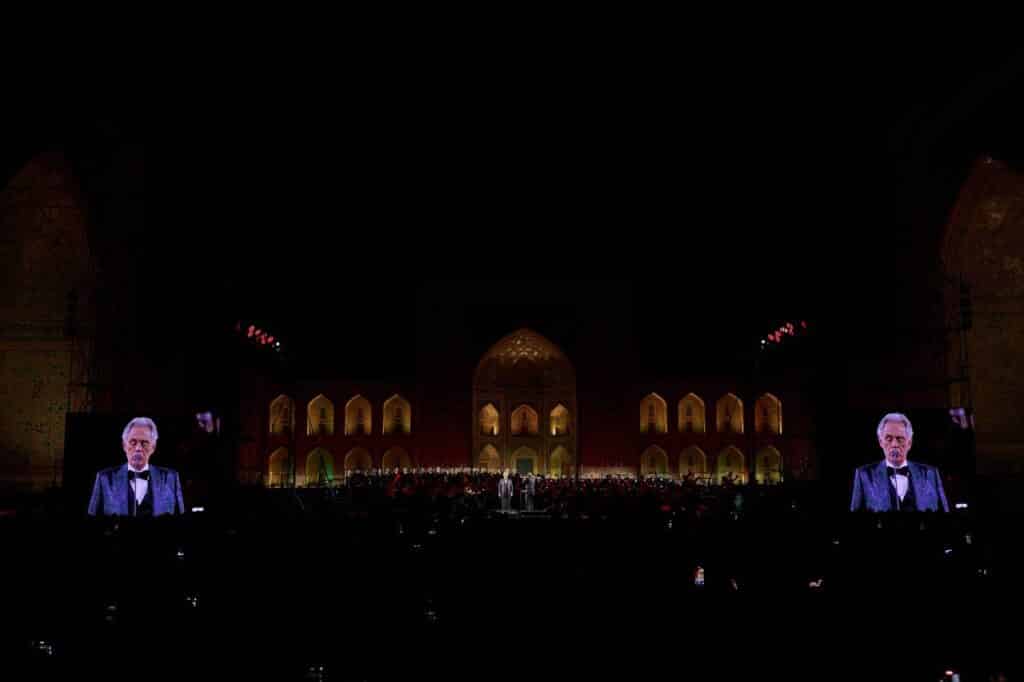
In September, Samarkand hosted a concert by Italian tenor Andrea Bocelli under the auspices of UNESCO.
Festivals drove regional tourism
The Namangan International Flower Festival expanded into one of the country’s largest attractions. It drew 720,000 foreign visitors from 62 countries and about 7 mln domestic tourists over more than 50 days. Local authorities reported that tourism exports in the region exceeded $187 mln in the first seven months of the year.
In Khiva, the traditional Melon Festival filled the Ichan-Kala and Arda Khiva complexes in August with exhibitions, performances and gala concerts, attracting both foreign tourists and domestic visitors.
In October, the Apple Festival in the Bakhmal district of Jizzakh region helped generate $6 mln in tourism exports, with 44,800 foreign visitors recorded between January and September.
Namangan also hosted the fourth International Honey Festival, which brought together more than 150 participants from Uzbekistan and abroad. Organisers expected about 2,500 foreign and 10,000 domestic tourists over three days, highlighting the growing role of agritourism.
Technology and creative industries attracted new audiences
Game Fest 2025 brought together game developers, investors and global publishers. ICT Week Uzbekistan attracted companies and experts from Asia, Europe and the Middle East.
In September, Uzbekistan became the first country in Central Asia to host Web Summit Spotlight, connecting the local startup ecosystem directly with global investors and technology leaders. The event marked Uzbekistan’s growing role as a destination not only for leisure travel but also for business and innovation tourism.
Vibrant streets and relaxing parks
Across the country, authorities plan to launch 154 gastro- and tourist streets operating around the clock. These zones aim to combine local cuisine, shopping, and cultural experiences. Complementing these streets, 72 coastal recreation areas and 62 upgraded parks will offer spaces for relaxation, while regional administrations have been tasked with repairing 50 inter-district roads to improve connectivity.
Khiva and Samarkand: new hubs for adventure and culture
In Khiva, the ambitious «Desert Star» complex is set to transform the region’s tourism landscape. Covering 2,400 hectares, the development will include hotels, restaurants, museums, and facilities for adventure tourism. Nearby, safari and hunting tourism will expand in Tuprokkalinsky district, while new tourist villages are planned across four districts of Khorezm. Samarkand, too, is set to gain from a new tourist village, Konygil-2, featuring modern accommodation, tea-houses, craft workshops, and interactive experiences that bring centuries-old traditions to life.
Upgraded airports for a seamless arrival
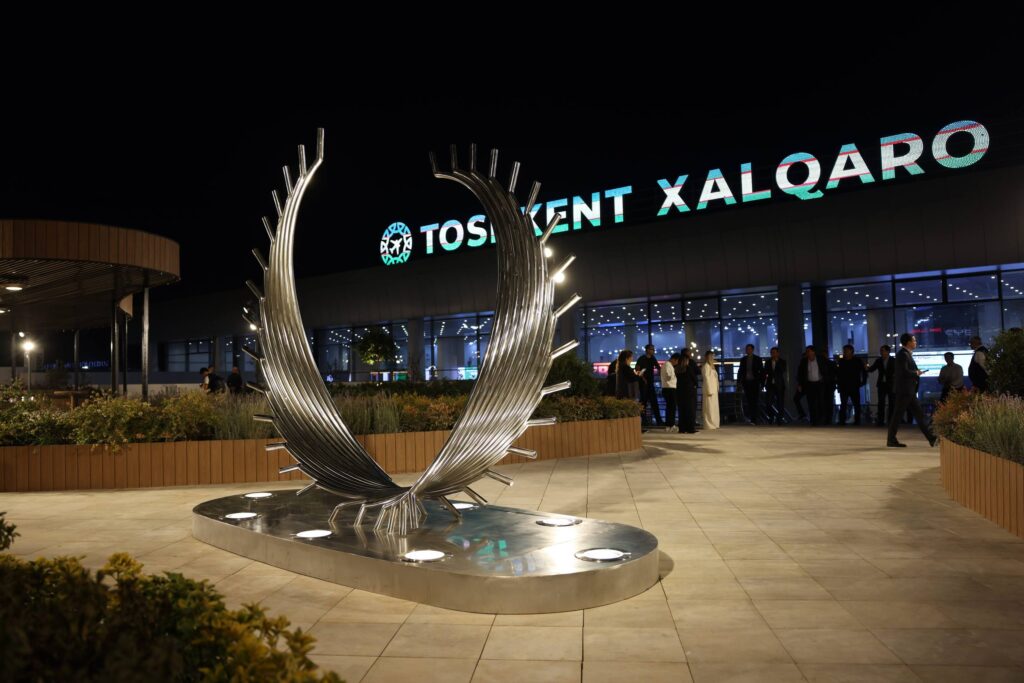
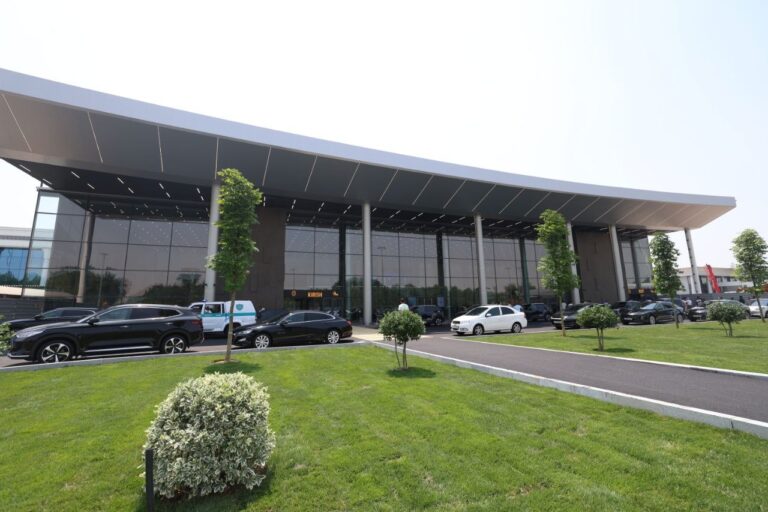
Tashkent International Airport has also undergone significant upgrades. The arrival hall, VIP lounge, and departure terrace have been expanded, with additional seating, cafes, and retail spaces. The airport’s parking and drop-off systems have been reorganised to streamline the flow of taxis, tourist buses, and ride-hailing vehicles, while security cameras monitor traffic to enforce regulations automatically. These improvements are just the first phase of a larger plan to integrate arrival and departure areas into a single terminal with a projected capacity of 2,400 passengers per hour.
Easier entry and smarter travel
On the administrative side, Uzbekistan has begun rolling out initiatives to make travel easier for international visitors. Visa-free entry has been introduced for Gulf countries, with plans to extend the scheme to the United States in 2026. A national platform and mobile app will also soon allow tourists to book tickets, plan routes, and register automatically upon arrival, with AI-driven analytics set to enhance experiences by the end of 2026.
Meanwhile, financial and payment systems are being modernised: Chinese apps WeChat and Alipay are being integrated with national platforms, and new schemes will allow foreign tourists to reclaim VAT on purchases directly upon departure. Incentives for hotels, tourism startups, and international film projects further underline Uzbekistan’s commitment to becoming a fully connected, visitor-friendly destination.
Tourism’s rising share in the economy
Uzbekistan is setting ambitious targets to make tourism a cornerstone of its economy. According to a presidential decree, by 2030, the sector’s contribution to GDP is expected to rise from 3.5% to 7%. Annual foreign tourist arrivals are projected to double from 10 mln to 20 mln, with a focus on attracting high-spending visitors. Export of tourism services is expected to exceed $6 bn, while internal connectivity between tourist cities will be strengthened through expanded air networks and reduced travel times.
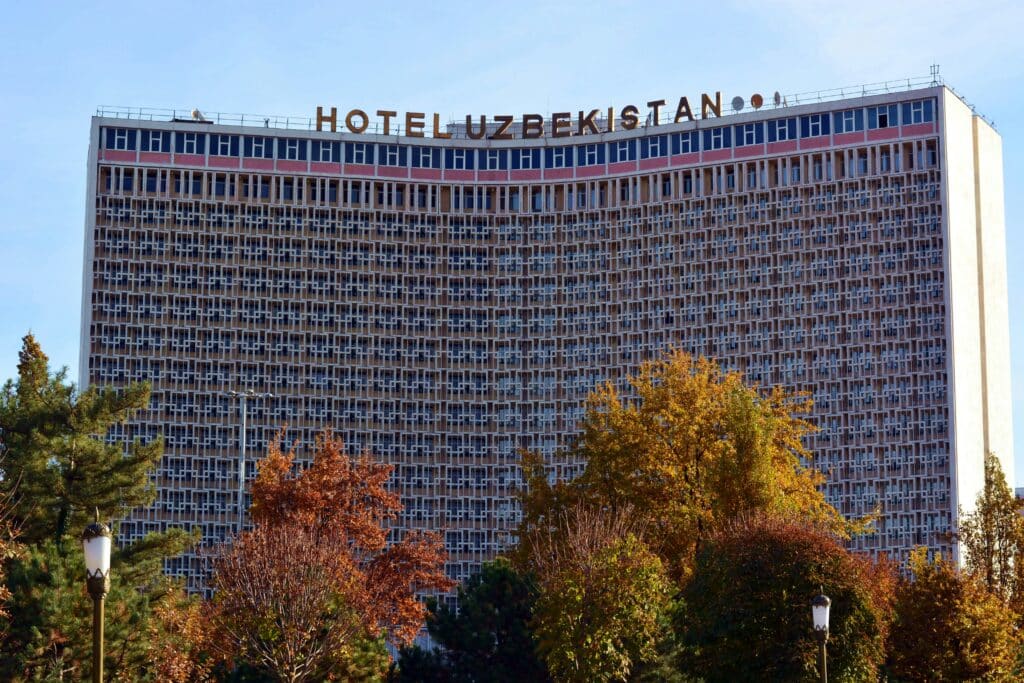
The country plans to double the number of four- and five-star hotels and diversify the range of tourism products and services. Uzbekistan is also working on establishing a globally recognised tourism brand and deploying new tools to promote local products internationally.
Business travel is booming, with the number of business tourists reaching 362,800 by November 2025, 2.7 times higher than the previous year. Afghanistan remains the main source, followed by Tajikistan and Turkmenistan, with smaller but growing flows from Russia, Kazakhstan, and Turkey.
Tourism surpasses pre-pandemic levels
Overall, Uzbekistan’s tourism sector has rebounded strongly, with foreign arrivals up 73% over 2019 levels. Monthly visitor numbers have consistently exceeded one mln since April 2025. Traditional centres such as Samarkand, Bukhara, and Khiva continue to draw crowds, but interest is also growing in eco-tourism and gastronomy.
Enhanced air connectivity, including 50 weekly flights between Uzbekistan and China, visa-free travel for Gulf countries, and plans for US entry in 2026, have contributed to a record-breaking 10.7 mln visitors between January and November 2025, a 47.4% increase over the previous year. The country has also seen growing arrivals from Kazakhstan, Kyrgyzstan, Russia, Afghanistan, China, Turkey, India, and South Korea, reflecting its rising global appeal.
Taken together, the expansion of transport networks, the diversification of destinations and the growing calendar of international events marked a structural shift in Uzbekistan’s tourism model. Visitor numbers surged past pre-pandemic levels, business and leisure travel reinforced each other, and regions outside the main urban centres gained visibility and economic momentum.