Iran Protests Escalate as Inflation and Fuel Price Hikes Grip the Country

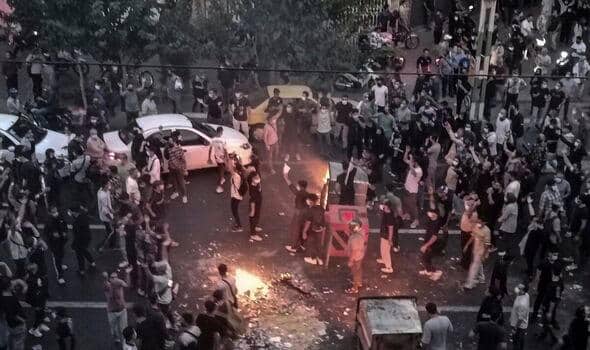
Protests sweeping across Iran have raised fresh questions over the stability of the Islamic Republic, with an insider source warning the ruling establishment could face collapse «within weeks» if security forces fracture.
Demonstrations have erupted nationwide amid soaring inflation, fuel price hikes and the sharp fall of Iran’s rial, now trading at more than 1.4 million to the US dollar. Economic pressure has mounted since the United Nations reimposed sanctions over Tehran’s nuclear programme, while the country is still absorbing the cost of a brief war with Israel earlier this year.
At least 38 people have been killed and more than 2,200 arrested in clashes reported across all 31 provinces, according to agencies. Unlike previous unrest led largely by students and activists, the latest protests reportedly involve shopkeepers, farmers and working-class communities.
A source with long-standing links to Tehran’s political circles said rising fuel prices were the «final trigger», warning that any defection within the army or security forces could rapidly weaken the grip of Ali Khamenei’s regime.
Iranian authorities have blamed foreign interference, while state media has portrayed protesters as agents of hostile powers. Meanwhile, Donald Trump said last week that the United States was «locked and loaded» should peaceful demonstrators be violently targeted.
Despite the unrest, analysts note the government’s long experience in suppressing dissent, suggesting the coming weeks will be critical in determining whether the protests can force meaningful change.
Kursiv Uzbekistan also reports that German President Frank-Walter Steinmeier has issued a sharp rebuke of US foreign policy under President Donald Trump.