Iran Sees Largest Anti-Government Protests in Years

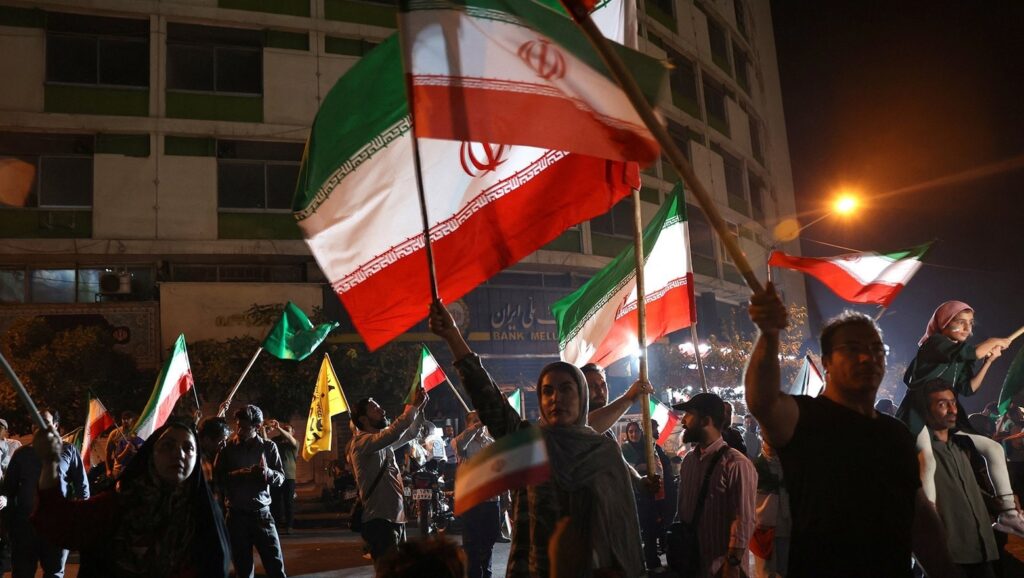
Large crowds of demonstrators have taken to the streets in Tehran and other Iranian cities in what observers describe as the strongest show of opposition to the clerical leadership in years, according to verified videos circulating online.
Footage showed peaceful marches on December 8 evening in the capital and in Mashhad, Iran’s second-largest city. Security forces did not immediately disperse the gatherings. Later, monitoring groups reported a nationwide shutdown of internet services.
Calls for Political Change
Chants captured in the videos included demands for the removal of Supreme Leader Ayatollah Ali Khamenei and slogans supporting Reza Pahlavi, the exiled son of Iran’s last shah, who had urged supporters to protest. Human rights organisations said the unrest has continued for 12 consecutive days, fuelled by anger over the collapse of the national currency and spreading to more than 100 cities and towns across all 31 provinces.
The US-based Human Rights Activist News Agency said at least 34 protesters, including five children, and eight members of the security forces have been killed, with more than 2,200 arrests recorded. Norway-based Iran Human Rights reported at least 45 protesters killed, among them eight children. BBC Persian has confirmed the identities of 22 victims, while Iranian authorities have acknowledged six security force deaths.
Protests Spread Nationwide
Videos from Mashhad showed crowds marching along major roads, chanting pro-shah slogans and removing what appeared to be surveillance cameras from an overpass. Similar scenes were recorded in eastern and northern Tehran, as well as in cities including Isfahan, Babol and Tabriz. In Dezful, footage showed security personnel apparently opening fire near a central square.
The protests followed renewed calls from Reza Pahlavi, who lives in Washington, for Iranians to unite and press their demands. Writing on X, he praised what he called the courage of protesters and urged Western leaders to increase pressure on Tehran. He has called for further demonstrations to continue.
Internet Blackout and Official Response
State media in Iran downplayed Thursday’s events, in some cases denying that protests occurred and broadcasting images of empty streets. Meanwhile, NetBlocks said data showed the country was experiencing a near-total internet blackout, part of what it described as an expanding campaign of digital censorship.
Unrest has been particularly intense in western regions, including Kurdish-populated areas, where rights groups said at least 17 people have been killed. Calls for a general strike by exiled Kurdish groups led to widespread shop closures in several provinces.
The protests began on December 28, when traders in Tehran demonstrated against another sharp fall in the rial. Inflation has climbed to about 40% as sanctions linked to Iran’s nuclear programme combine with long-standing economic mismanagement.
Iranian President Masoud Pezeshkian has urged security forces to show restraint when dealing with peaceful demonstrators, while Khamenei has said authorities should engage with protesters but warned that disorder would not be tolerated.