Iran Acknowledges 2,000 Deaths in Protests, Announces Public Execution

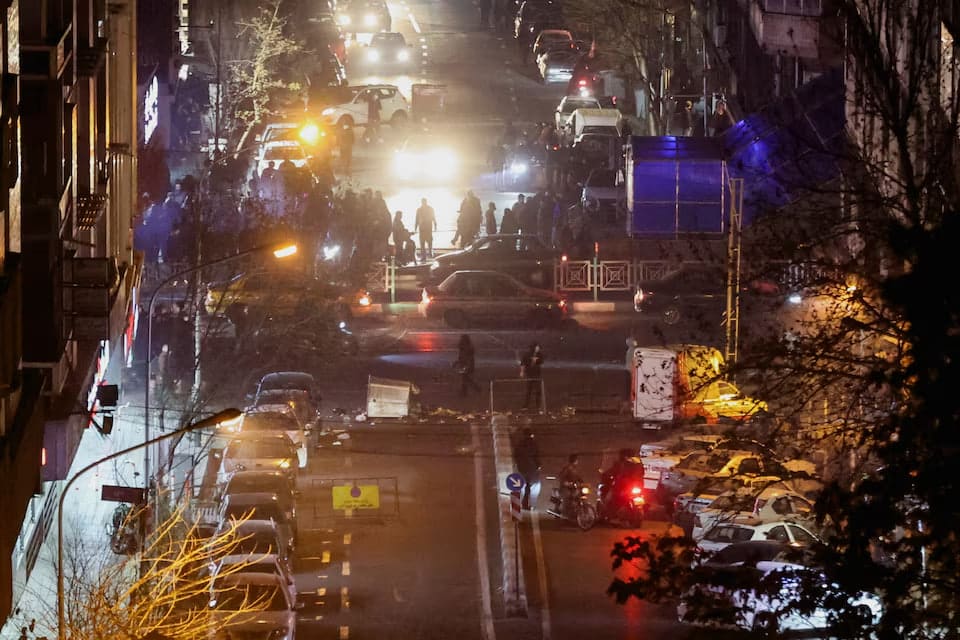
Iranian authorities have for the first time acknowledged that roughly 2,000 people, including security personnel, have been killed in two weeks of nationwide protests, an official told Reuters. The official, who spoke anonymously, blamed what he called terrorists for the deaths but did not provide a detailed breakdown.
Among those reportedly killed are 26-year-old football coach Amir Mohammad Koohkan and 23-year-old Kurdish fashion student Aminian. Iranian state media also broadcast funeral processions for members of the security forces who were killed during the unrest.
The unrest, sparked by severe economic hardship, has been the most serious domestic challenge for Iran’s clerical rulers in years. It comes as international pressure on Tehran intensifies following Israeli and U.S. strikes last year.
US Tariffs and International Pressure
On December 12, U.S. President Donald Trump announced 25% tariffs on goods from any country doing business with Iran. Trump has also said military action remains an option to punish Tehran over the crackdown. China quickly criticised the tariffs. Iran exports most of its oil to China, with Turkey, Iraq, the United Arab Emirates, and India as other key partners.
Executions and Fear Tactics
Iranian authorities have carried out rapid legal actions against protestors. According to the Hengaw Organisation for Human Rights, a 26-year-old man named Efran Sultani, detained last Thursday, has already been sentenced to death. His family has been informed that he will be executed on December 14, though they have not been told when the trial took place or the charges against him.
«We have never witnessed a case move so quickly,» said Awyar Shekhi from Hengaw. «The government is using every tactic they know to suppress people and spread fear.»
The government has taken a dual approach to the protests, acknowledging economic grievances while imposing a harsh security crackdown. Officials accuse the U.S. and Israel of fomenting unrest alongside what they describe as terrorists.
Government spokesperson Fatemeh Mohajerani said, «We have tried to listen to their voices even if some have tried to hijack such protests.»
Protests and Communications Blackouts
Protests began on December 28 after a sharp fall in the rial and have expanded into wider demonstrations against economic hardship and the ruling clerical establishment. Communications blackouts have limited information flow, with internet access still patchy despite phone services being partially restored.
Rights groups say hundreds have been killed and thousands arrested. The U.S.-based HRANA reported more than 10,700 arrests by late Monday, though independent verification is difficult. Videos from Tehran show clashes with gunfire and burning vehicles, while families have gathered at cemeteries chanting slogans in memory of the dead.
Potential Dialogue with Washington
Despite tensions, Tehran said it is keeping dialogue channels with Washington open as the U.S. considers its response.
Mohajerani said, «We have the duty to do dialogue and we will certainly do so.»
White House press secretary Karoline Leavitt added that diplomacy remains Trump’s first option, though military alternatives are under consideration.