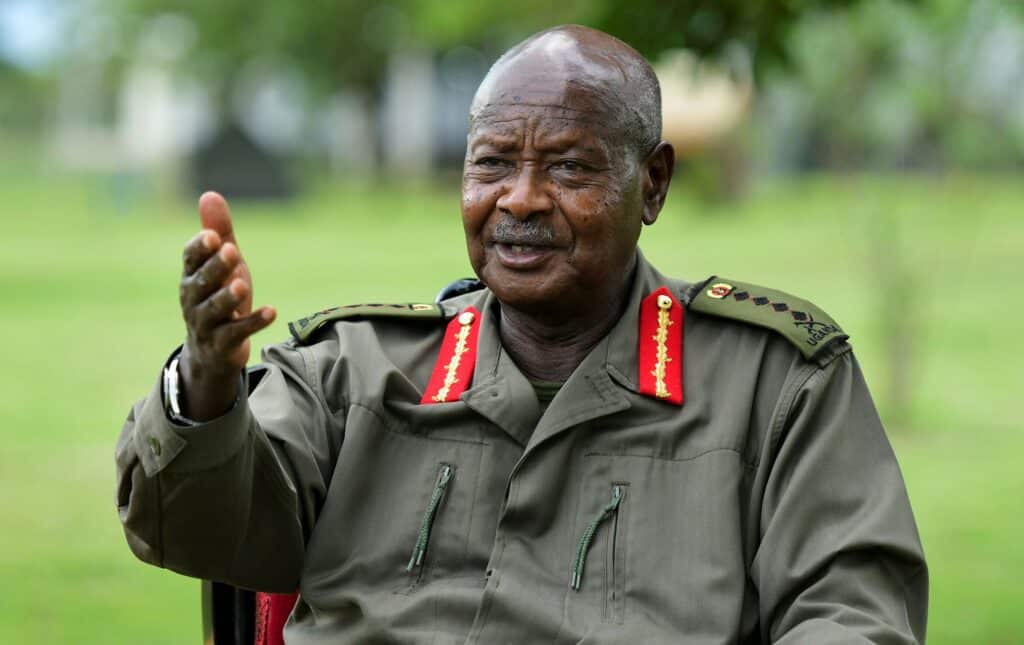
Yoweri Museveni, who seized power in Uganda in 1986 promising to end leaders’ grip on office, is seeking a seventh presidential term at the age of 81 after nearly four decades in charge.
The former rebel leader initially won praise for restoring stability, tackling the AIDS epidemic and defeating the Lord’s Resistance Army. But critics say his rule has been marked by entrenched corruption and increasingly authoritarian tactics. Professor Kristof Titeca of the University of Antwerp said corruption has been central to Museveni’s governance from the start.
Museveni denies tolerating graft, saying officials found guilty have been prosecuted. He has cultivated Western allies by deploying Ugandan troops to regional conflicts and hosting large numbers of refugees, while also strengthening ties with China, Russia and Gulf states.
At home, corruption has weakened public services and limited opportunities. UNICEF says only one in four Ugandan children who start primary school reach secondary education.
Museveni has won all six elections he has contested, though opponents have repeatedly alleged fraud. Parliament removed term limits in 2005, a move critics said cleared the way for him to stay in power indefinitely.
Succession has emerged as a key issue, with attention focused on Museveni’s son Muhoozi Kainerugaba, the military chief. Analysts say Museveni is still favoured to win, but the longer-term future of Uganda’s leadership remains uncertain.