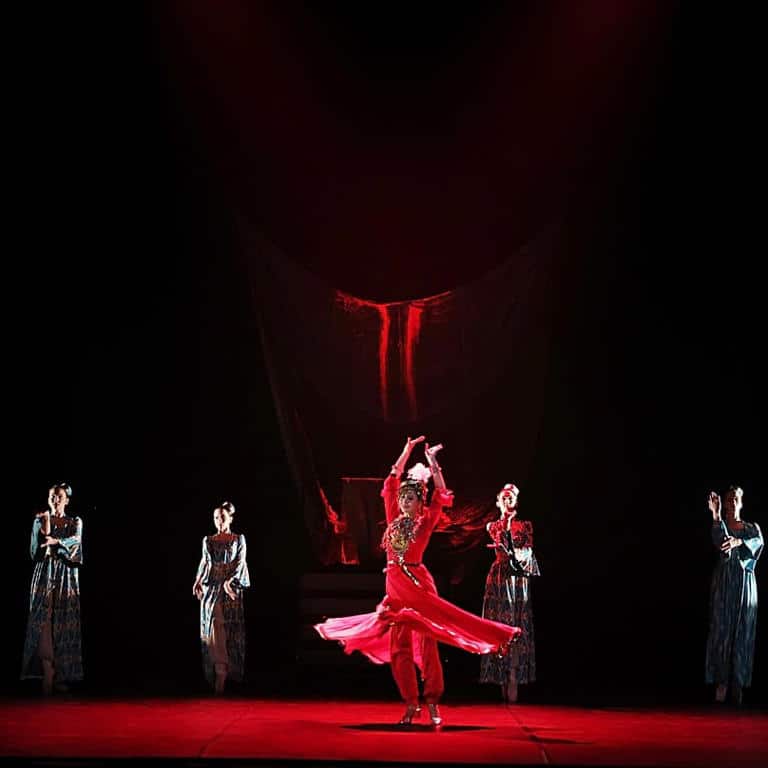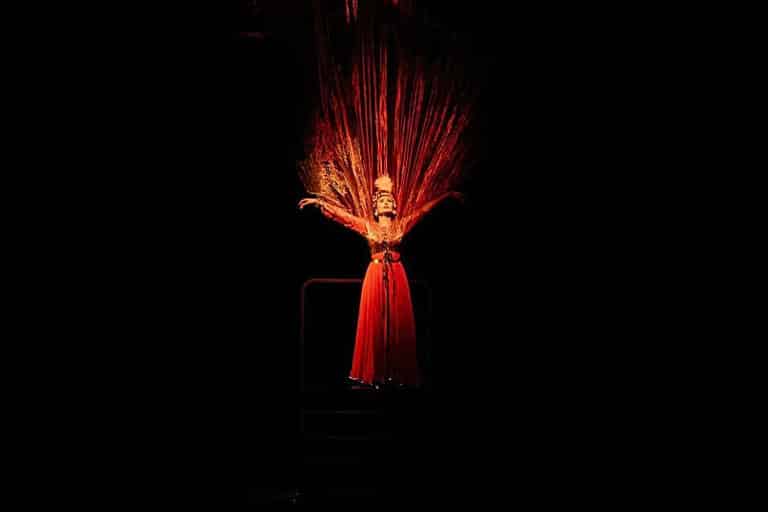
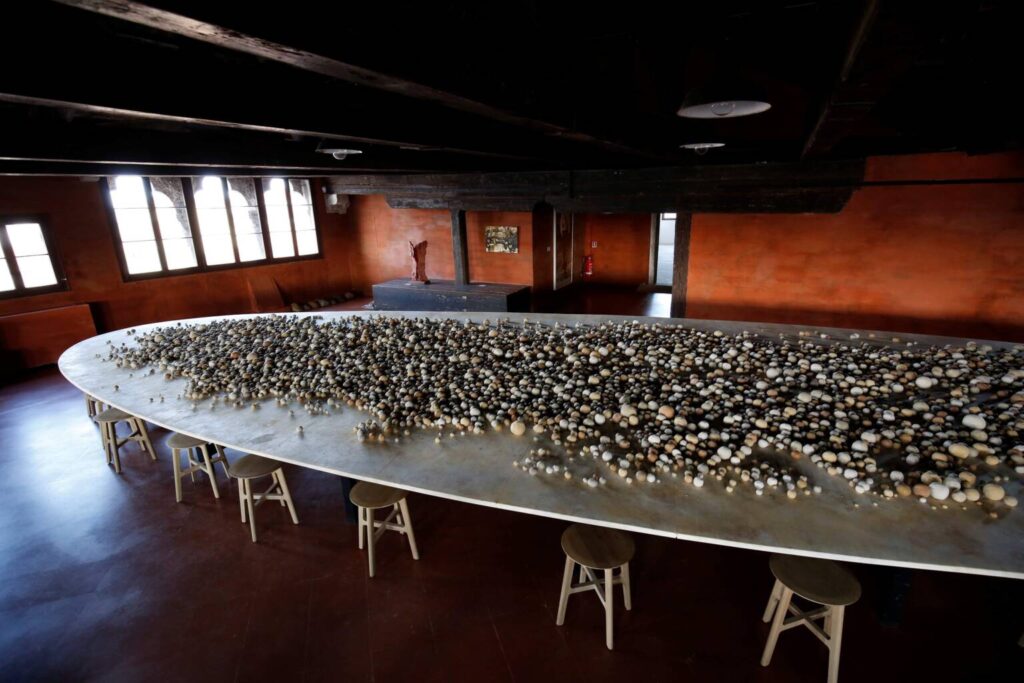
CCA Tashkent, Uzbekistan’s first permanent centre dedicated to contemporary art, will officially open in March 2026, marking a major milestone for the country’s cultural landscape.
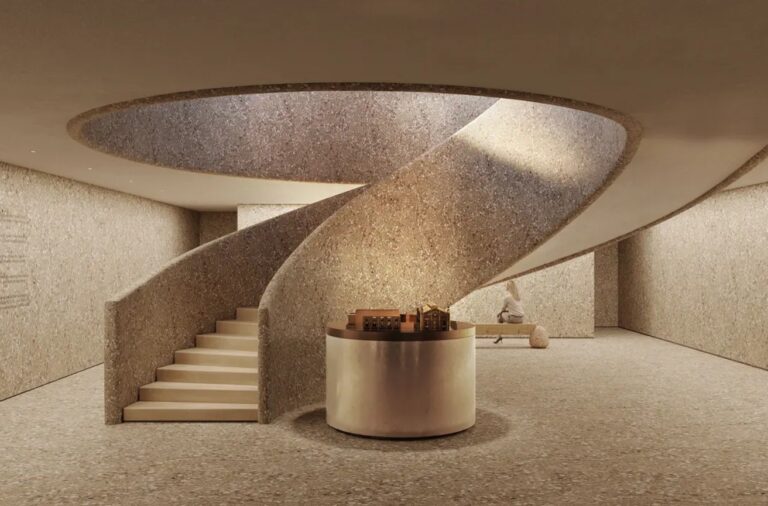
Founded by Gayane Umerova and led by the Uzbekistan Art and Culture Development Foundation, the Centre for Contemporary Arts Tashkent will open to the public on March 21 in a restored 1912 industrial building redesigned by French architecture studio Studio KO. The institution aims to function as both an exhibition space and a civic hub, combining contemporary art, education, research and public programmes.
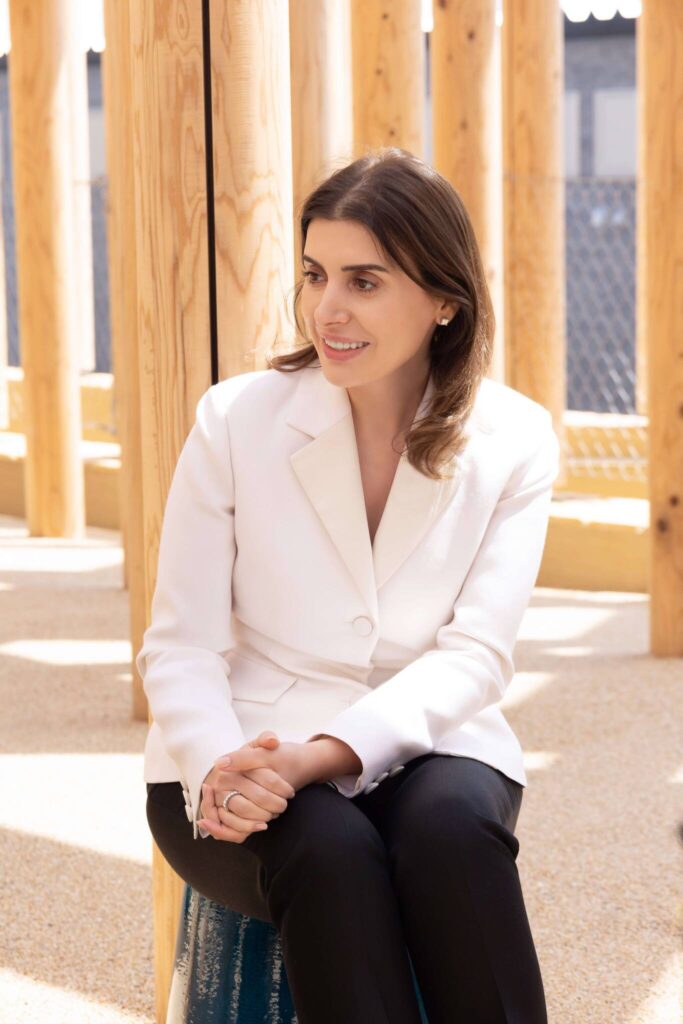
Artistic director Dr Sara Raza will lead the centre’s programme, which focuses on Uzbek artists while connecting local practices with international perspectives. The opening will be marked by the inaugural exhibition Hikmah, featuring newly commissioned and site-specific works by artists including Muhannad Shono, Nari Ward, Shokhrukh Rakhimov, Tarik Kiswanson, Kimsooja and Ali Cherri.

With free public access, artist residencies and interdisciplinary programming, CCA Tashkent is positioned as a new cultural anchor for Central Asia and a key part of Uzbekistan’s broader investment in creative infrastructure.
Kursiv Uzbekistan also reports that JinkoSolar has signed a memorandum of understanding to supply 300 megawatts of its high-efficiency solar modules for utility-scale projects in Uzbekistan, marking a further step in the country’s push to expand renewable energy capacity.