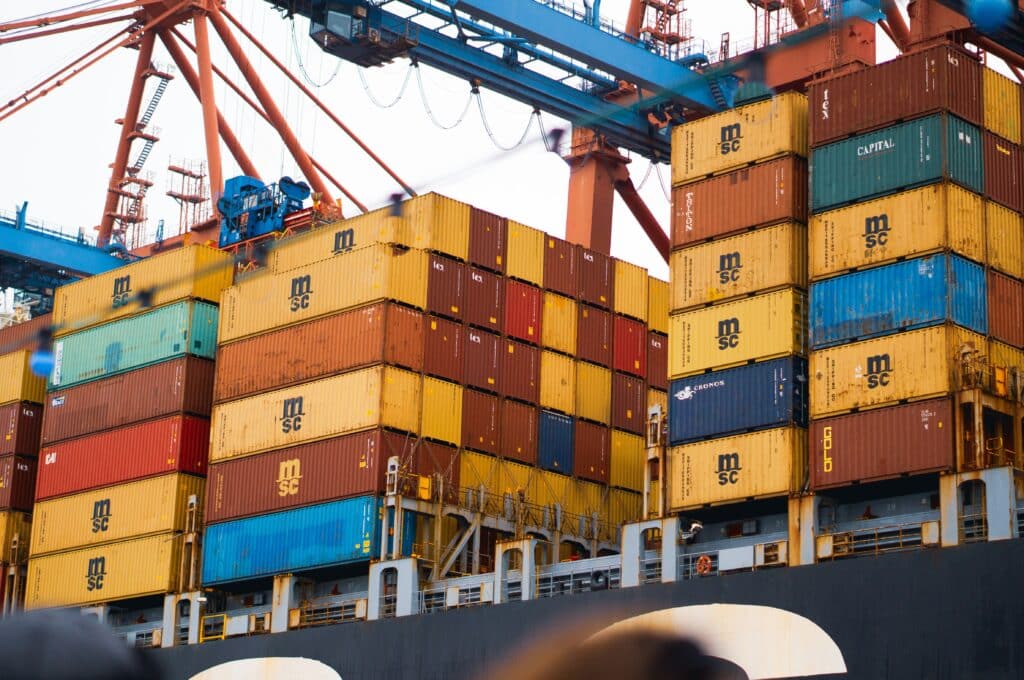
China recorded an unprecedented full-year trade surplus of $1.189 trln in 2025 as exports and imports both outperformed expectations, highlighting Beijing’s growing reliance on overseas demand to offset weak domestic conditions.
Customs data released on Wednesday showed the surplus surpassed the trillion-dollar mark for the first time, a level comparable with the annual output of a major global economy such as Saudi Arabia. The result comes as policymakers lean on exports to counter a prolonged property downturn and sluggish consumer demand.
«The momentum for global trade growth looks insufficient and the external environment remains severe and complex,» Wang Jun, a vice minister at China’s customs administration, told a briefing.
He added that more diversified trading partners had strengthened China’s ability to withstand risks and said the fundamentals of foreign trade remained solid.
Exports from the world’s second-largest economy rose 6.6% in December from a year earlier, beating forecasts for a 3% increase. Imports climbed 5.7%, also exceeding expectations. Economists said strong export growth was helping to cushion weak domestic demand and could allow Beijing to keep macroeconomic policy broadly unchanged in the near term.
China’s Global Market Reach Expands
Markets reacted positively, with Chinese equities rising more than 1% and the yuan holding steady. China posted monthly trade surpluses above $100 bn seven times last year, helped in part by a weaker currency.
Trade with the United States declined sharply, with exports to the U.S. falling 20% and imports down 14.6%. Chinese firms compensated by expanding shipments to other regions, including Africa, ASEAN countries and the European Union.
Economists expect China to continue gaining global market share this year, supported by overseas production hubs and demand for electronics and vehicles. Auto exports rose 19.4% last year, with electric vehicle shipments jumping nearly 49%, keeping China on track to remain the world’s top car exporter.
At the same time, Beijing has signalled a willingness to rein in export imbalances. Premier Li Qiang has called for expanding imports and promoting more balanced trade, while authorities have rolled back some export incentives and revised trade laws to signal a shift towards more open commerce.
Kursiv also reports that Uzbekistan and Tajikistan are set to begin testing a multimodal transport corridor that will connect Central Asia with China and Europe.