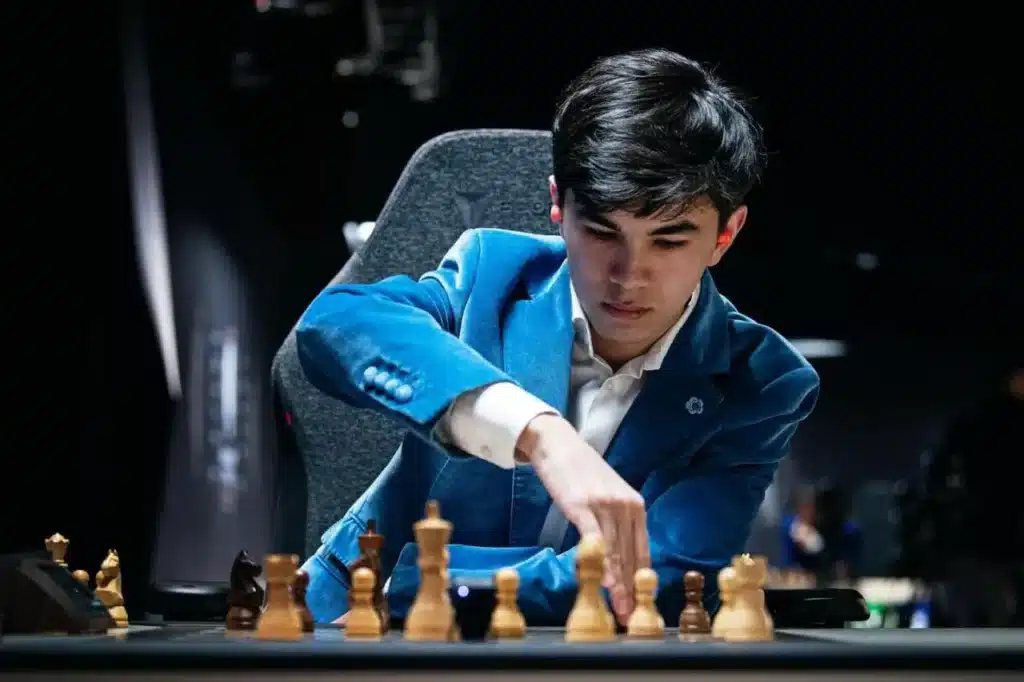
In an exclusive interview with Kursiv Uzbekistan, the young grandmaster spoke about his emotions ahead of the Candidates Tournament, his plans for the future, and key games against the world’s strongest players.
— You won the World Cup in India and became the youngest champion in history. How did you maintain a psychological edge in the final against Wei Yi?
— Honestly, the tournament was extremely difficult and the opponents were very strong. But I came into the competition in excellent form, so I tried to stay calm and play my best chess until the very end.
In the final games I felt free. By that time I had already secured a place in the Candidates Tournament and I told myself: «You do not play in a final every day. You need to give everything in these games so you have no regrets afterwards.» I think that is what produced the result.
— Were there moments when you felt the risk of defeat very strongly? How do you cope with that pressure?
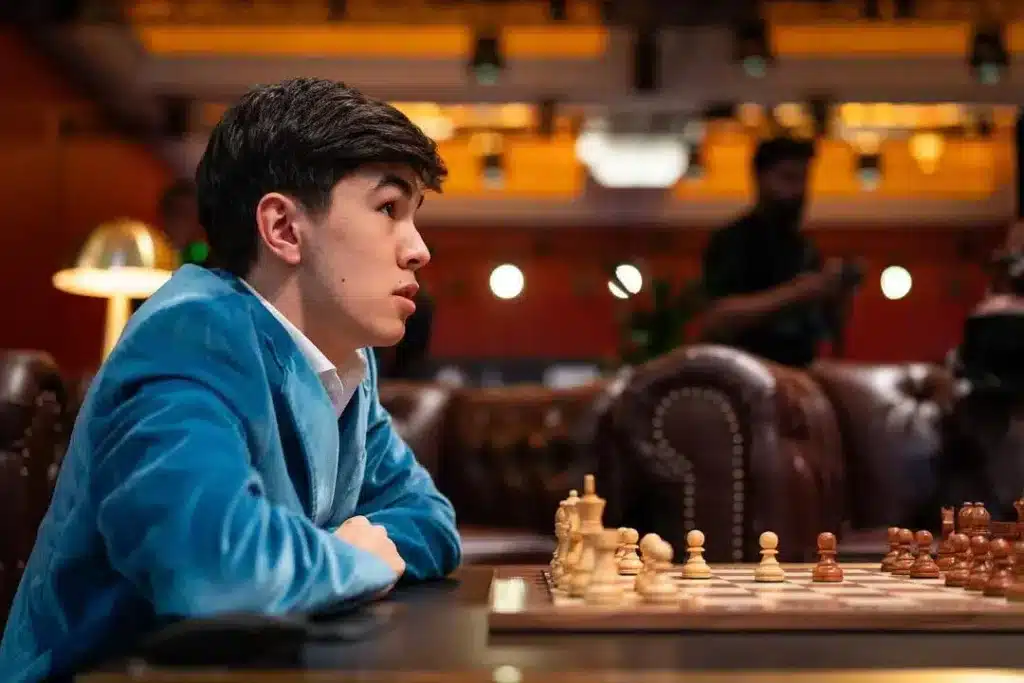
— Of course, the fear of losing is always present during a tournament. One loss and you are out. But thanks to good preparation I had strong confidence in myself, and that helped me cope with the pressure.
— Who stands behind your success: coaches, analysts, family?
— There are many people: my family, close ones, mentors. Each has made their contribution. I am sincerely grateful to everyone.
— How financially viable is it to be a professional chess player in Uzbekistan today?
— Like any sport, chess has its challenges. But if you overcome them and reach a certain level, big opportunities open up. In Uzbekistan, all the conditions have been created for chess. I am very grateful to the country’s leadership and the Chess Federation for their support.
— Does prize money at major tournaments cover all a player’s expenses such as travel, coaches and preparation?

— It is not just about taking part, but about winning. If your rating is 2700 or above, a stable income becomes possible. But without support, either from sponsors or the state, it is extremely difficult to ensure high-quality preparation with coaches.
— How much does a player’s personal brand affect income and invitations to prestigious tournaments?
— First and foremost, rating decides everything. Then organisers pay attention to age, participation in major tournaments, and the player’s overall status. Regular play in super-tournaments is the key to a stable income.
— Does strategic thinking in chess help you make life decisions?
— It is hard to answer this clearly. I think not directly, not very strongly.
— At the tournament in Cape Town you beat Magnus Carlsen. Did you use any special tactics against him?
— Games against Magnus always bring special motivation. In every match with him I try to fight to the fullest and I learn a lot. Just in 2025 I beat him several times and I think in 2026 there will be even more such victories.
— You have qualified for the 2026 Candidates Tournament. Is this the most important tournament of your career?
— I do not limit my career to one tournament. But, of course, for the current year it is the most important competition. I have already begun serious preparation and, if it is God’s will, I will try to arrive at the tournament in the best possible shape and win.