I’ve just done eight packed days in Uzbekistan, and I get why people call it one of the world’s last «big culture» trips that still feels like discovery. Another thing I didn’t expect: how easy it is to travel independently once you understand a few local basics: SIM cards, trains, and how the cities «fit» together.
Below is my Uzbekistan experience from European perspective, plus planning advice backed by other travellers’ real feedback, specially around Tashkent, Samarkand and Bukhara, and how to build a smooth itinerary.
First impressions: Uzbekistan feels calmer than many European countries
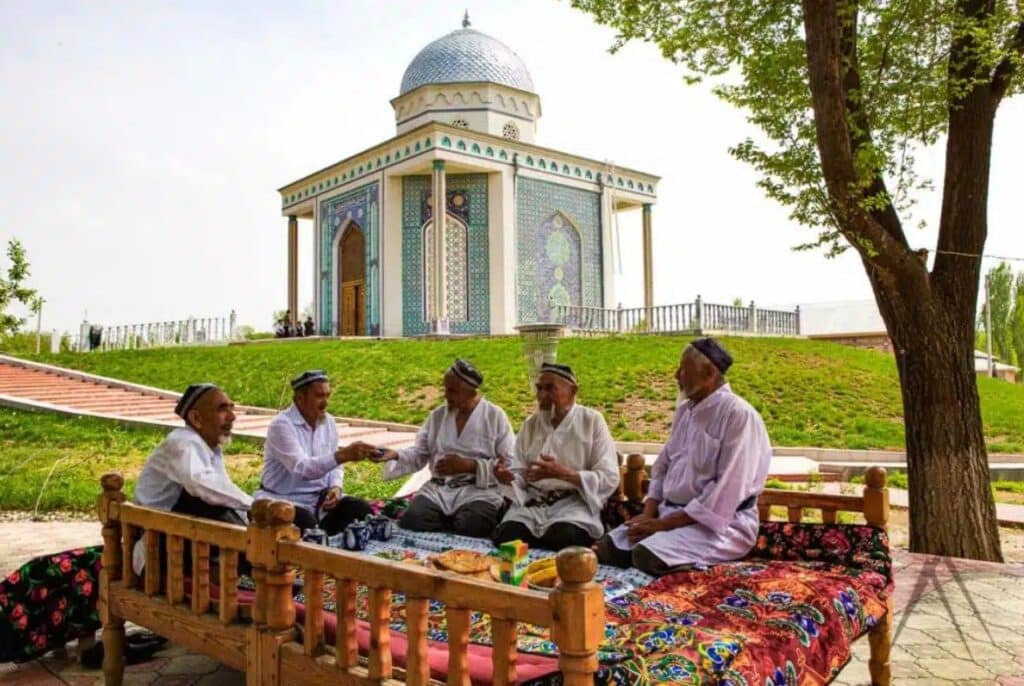
Let’s start with the vibe: Uzbekistan felt safe, orderly and surprisingly relaxed for a first-time visitor. One Central Asia specialist who travelled widely described walking around at night and feeling extremely safe, highlighting friendly locals and clean public spaces.
That matched my experience. I had one «Big city panic moment» (a stranger asked me for a cigarette), but it turned into a wholesome chat about English exams and life in Uzbekistan. That single interaction reset my expectations for the rest of the trip.
Getting in: airport, SIM, cash, taxis
I landed in Tashkent and everything worked the way you want an arrival to work:
- baggage came quickly
- SIM card options were right there
- ATMs were available
- taxis were simple and inexpensive (I used a ride-hailing app)
If you’re the type who gets stressed by airports, Uzbekistan is a nice start. It’s not mega-sized, but it’s functional.
Tashkent: don’t treat it like a «one-night stop»
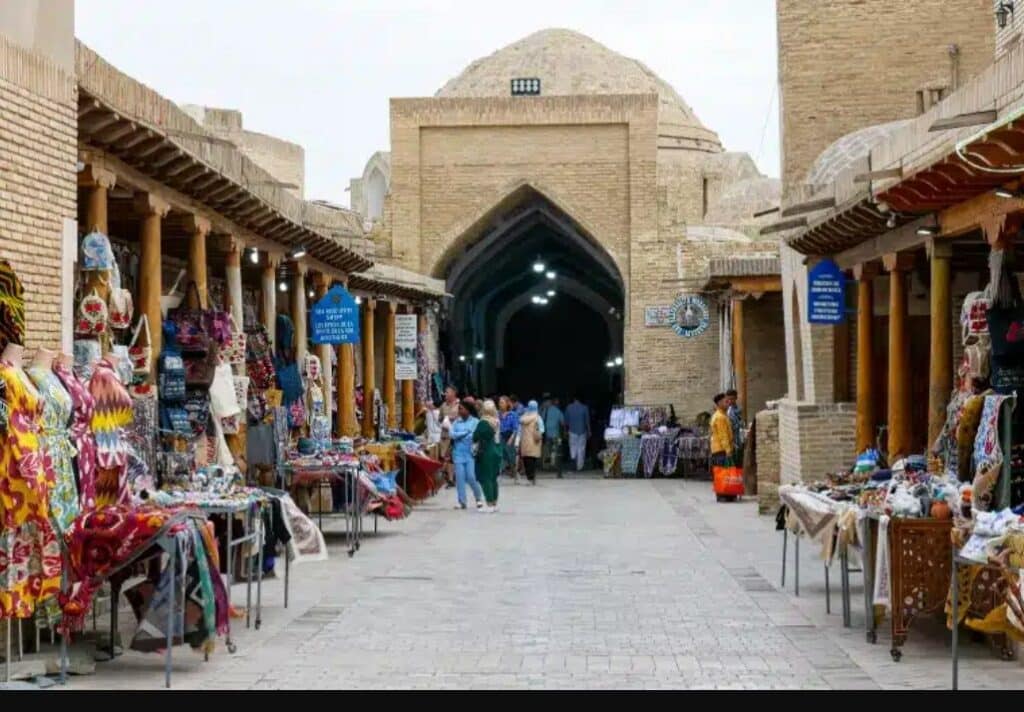
I’d been told (like many people) that «Tashkent is skippable.» It isn’t. In fact, if I could redo my trip, I’d add one extra full day here.
What I loved:
- Chorsu Bazaar: the kind of place where you can wander for hours and still feel like you’re missing corners.
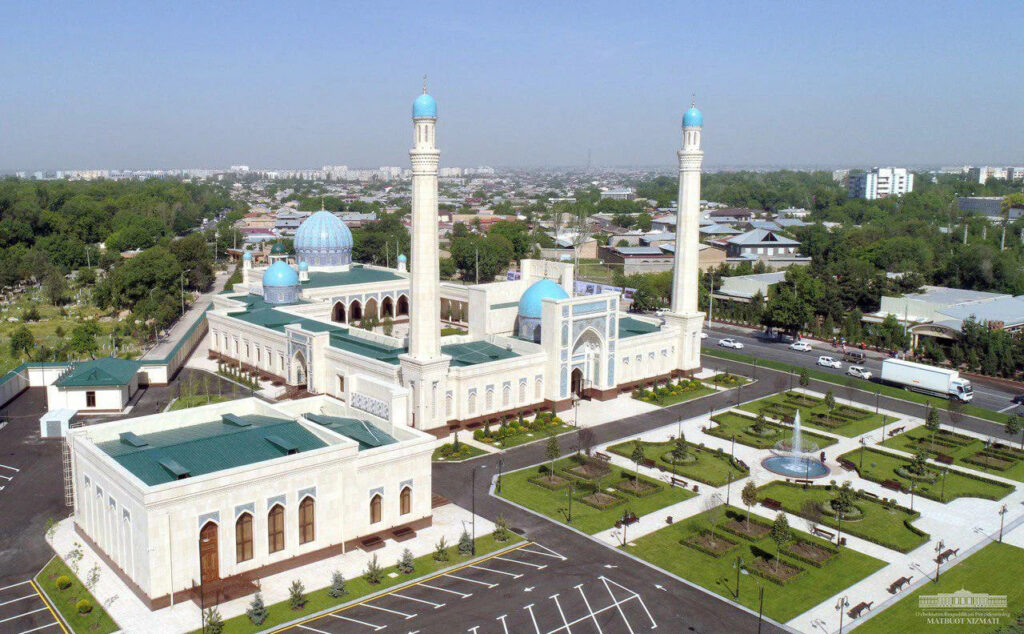
- Hazrati Imam complex: my first big mosque stop of the trip, and an impressive introduction.
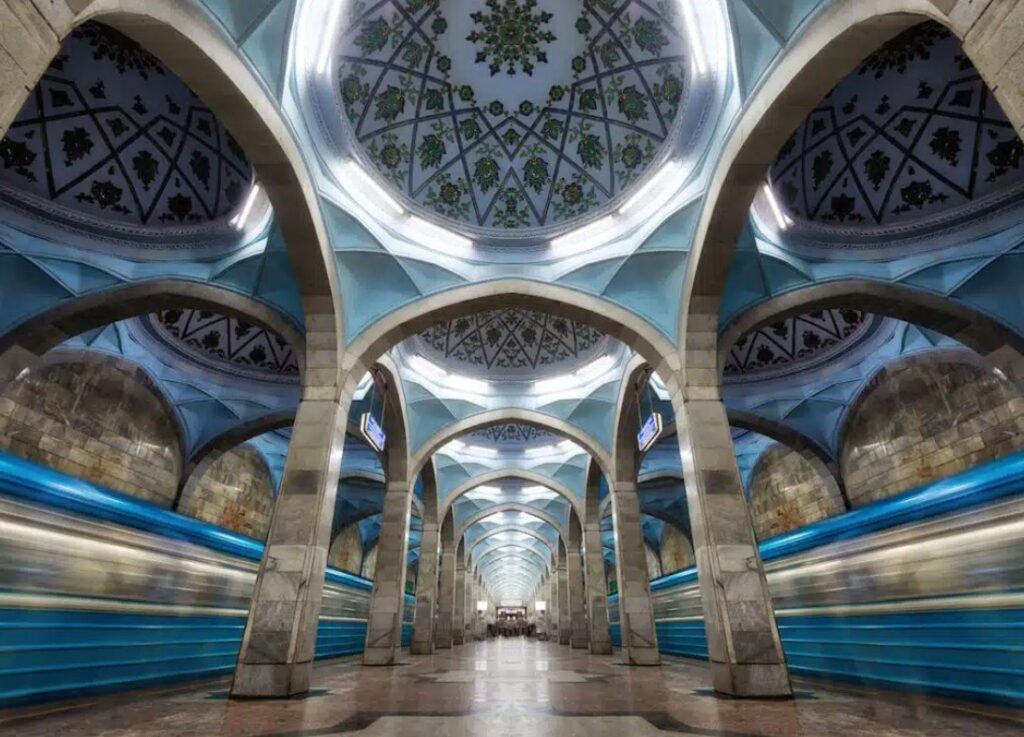
- Tashkent Metro: genuinely gorgeous stations. A travel consultant writing about Uzbekistan specifically recommends riding it just to see the stations, noting how individually designed and decorated they are.
Also: the city has a «breathing space» quality, parks, wide avenues, gardens, very different from the historic-core intensity of Samarkand/Bukhara.
Planning tip: If you only have a week, don’t cut Tashkent to the bone. Give it at least 1.5–2 days if you can.
Food reality check: plov is amazing, but pace yourself
Yes, you’re going to eat plov. Probably more than once. One Uzbekistan trip report calls plov the national dish and describes it as rice, meat, vegetables, oil, and spices — simple, filling and delicious.
My personal note: the portions can be heroic. If you’re arriving from Europe and you’re used to «light lunches,» you may want to split dishes at first, or accept that your afternoon will become a slow walk.
Trains: book earlier than you think
This might be the biggest practical lesson of my trip.
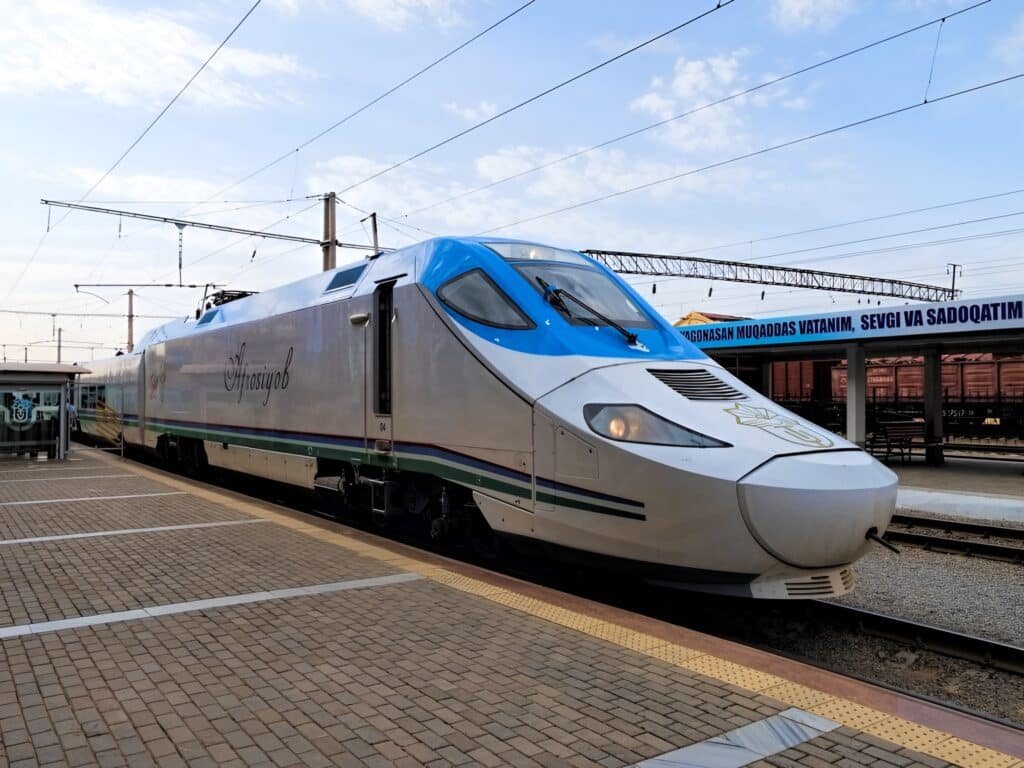
I wanted the Afrosiyob high-speed train, but seats were hard to get last-minute, so I ended up on older Soviet-era trains for some legs and honestly, I loved it. They had character. Tea, conversations, desert landscapes — real Silk Road mood.
But if your priority is speed and convenience, plan ahead. Travelers discussing train booking in Uzbekistan repeatedly note that tickets can sell out and that the sales window is limited (commonly discussed as roughly 45 days ahead, with advice to book right when sales open).
Planning tip (simple rule):
- If you’re traveling in spring/autumn or around holidays: buy train tickets as early as you can.
- If Afrosiyob is sold out, don’t panic, older trains still get you there, and the experience is part of the journey.
Samarkand: the place that makes you stop talking
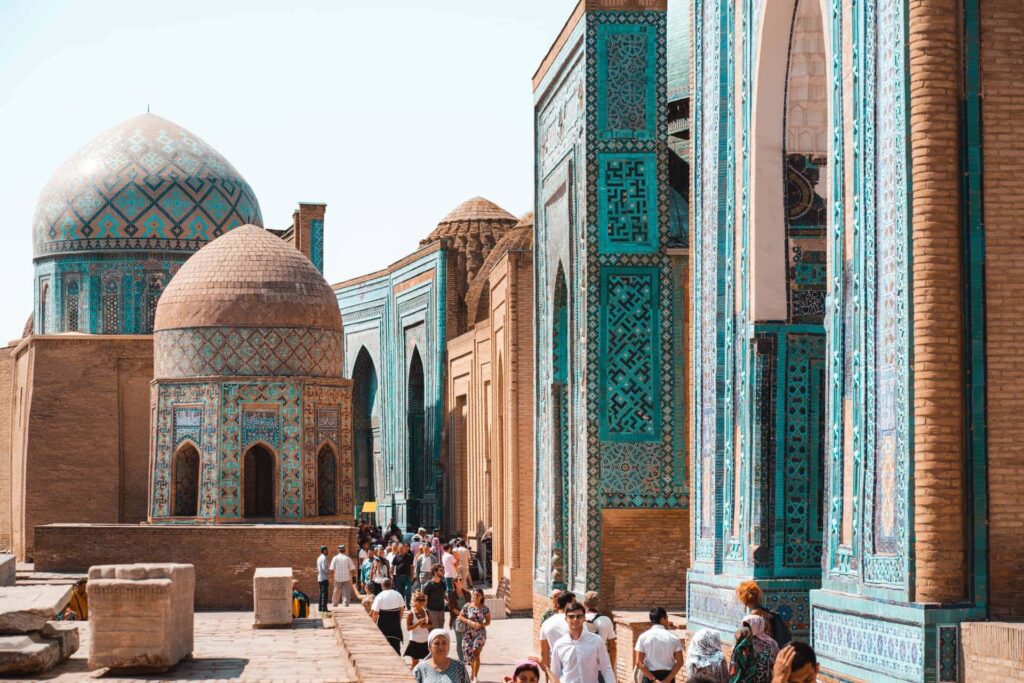
Even seasoned travellers say it’s hard to rival Uzbekistan for Silk Road history and architecture.
And yes, Registan lives up to the hype. One detailed trip account calls Registan Square one of the major sights of Central Asia and describes its ensemble of madrassas built between the 15th and 17th centuries.
My own take: Samarkand felt like the most beautiful city I’ve ever visited, full stop.
What surprised me in a good way:
- It didn’t feel suffocated by tourism the way some European icons do.
- Prices for food felt almost unreal (in a good way), and I never felt like people were trying to «tourist trap» me.
- The atmosphere at night (especially around major monuments) is part of the experience, don’t make yourself a «day-only» traveller.
Planning tip: Try to spend 2 nights minimum in Samarkand. If you can do 3, you’ll actually breathe.
Bukhara: beautiful, but it can feel repetitive if you rush it wrong
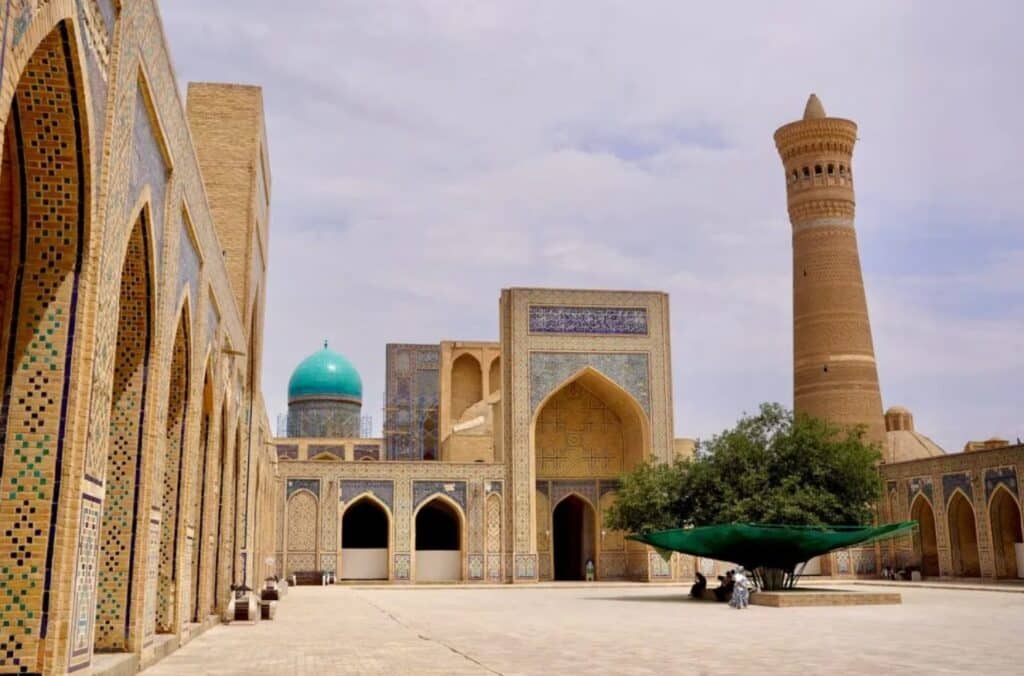
Bukhara is historic and atmospheric, a medieval old town with monuments, trading domes, and a strong «Silk Road city» feeling. A traveller report describes it as pedestrian-friendly, easy to wander, with tea houses and lively central areas.
But here’s my honest note: after Samarkand, Bukhara can feel like a smaller, pricier echo if your schedule is tight.
If I had to rebalance my own itinerary, I’d take one day from Bukhara and add it to Tashkent.
Planning tip:
- If your trip is 7–9 days total: 1 full day + 1 evening in Bukhara might be enough (unless you’re going deeper into craft workshops, hammams, or slow photography travel).
How to organise a first trip to Uzbekistan without overcomplicating it
Here are two itineraries that work well for first-timers:
Option A: Classic highlights (8–9 days)
- Day 1–2: Tashkent
- Day 3–5: Samarkand
- Day 6–7: Bukhara
- Day 8–9: back to Tashkent (or fly onward)
Option B: Add Khiva (10–12 days)
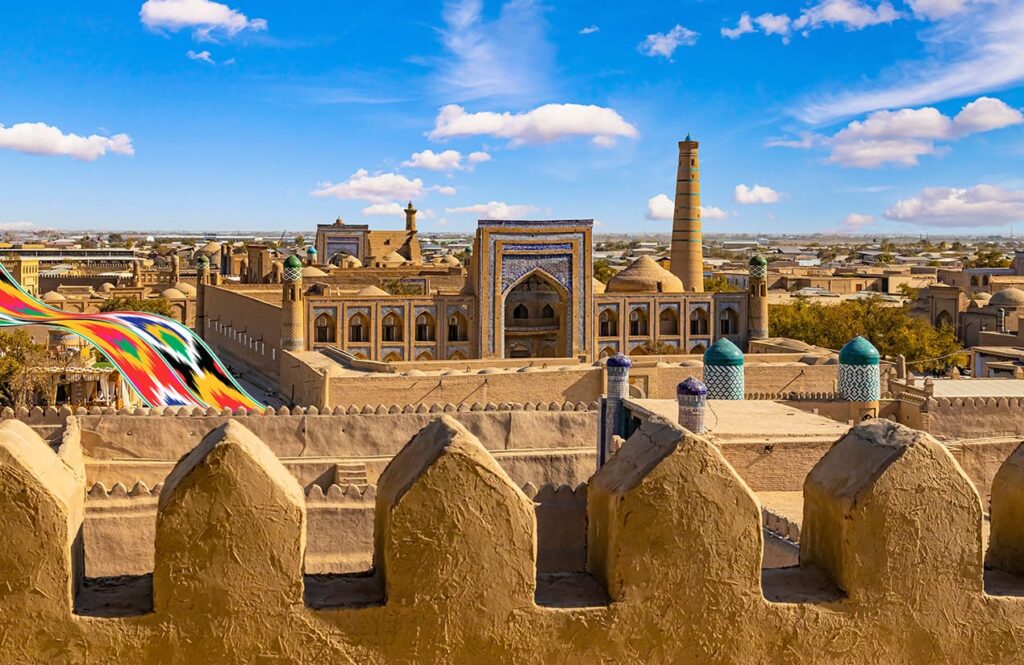
A travel expert specifically recommends adding Khiva and even staying inside the fort area, calling it a strong addition to the route.
So you’d do:
- Tashkent → Samarkand → Bukhara → Khiva → (return)
Practical essentials checklist
Visa / entry
Uzbekistan has an official e-visa portal, and the government services site directs travellers to apply through the official e-visa website.
Tip: Rules depend on passport, so verify using official channels before you book non-refundable tickets.
Registration rules (don’t ignore this)
Uzbekistan has rules around temporary registration for foreign visitors. The government portal explains timelines and references online registration systems for hosts/hotels.
Tip: If you stay in hotels/hostels, they usually handle it. If you stay with friends, confirm how registration is done.
Best season
Spring and autumn are widely considered the sweet spot: one Uzbekistan trip report notes winter can be extremely cold and summer can exceed 40°C, making shoulder seasons ideal.
Money
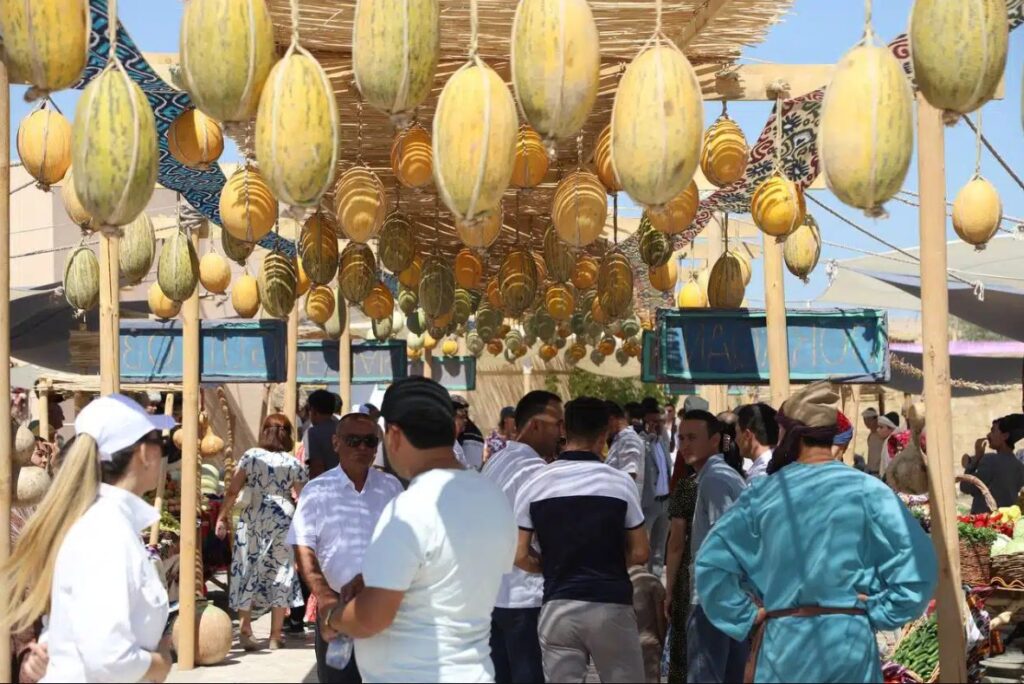
Carry a mix: card + cash. Markets and small eateries often prefer cash.
Language
Russian helps, but you can get by with simple English in tourist zones, and with patience everywhere else.
What’s the reality behind Uzbekistan’s «public image»
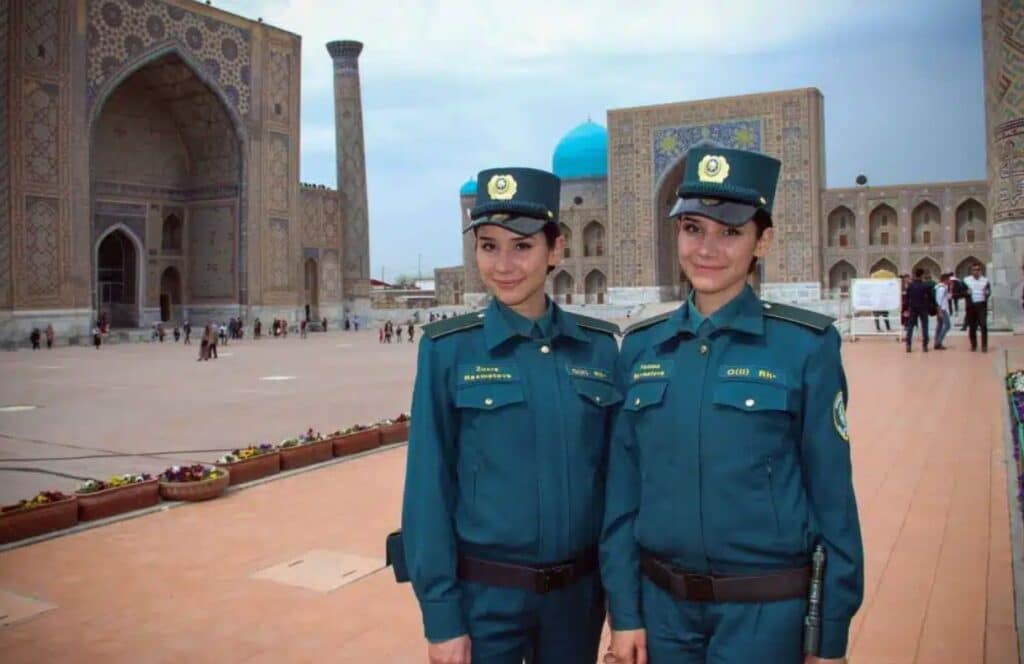
A lot of people still think of Uzbekistan as:
- «far away»
- «hard to navigate»
- «a niche history trip»
But traveller feedback increasingly paints it as:
- welcoming and safe
- great value
- huge cultural payoff without European-level crowds
My honest conclusion: Uzbekistan deserves to be much more popular with Europeans than it currently is.
What I’d do differently next time
- Add one more day in Tashkent (museums, neighbourhoods, slow city wandering)
- Book trains earlier (or intentionally choose one «slow train» ride as part of the romance)
- Go to Khiva (and potentially add nature afterward, mountains or desert yurt nights), since even classic city-focused itineraries benefit from one «different landscape» stop
Go now, before it changes
One experienced traveller predicts the region will get more popular in coming years and suggests visiting while tourist numbers are still relatively low.
I agree. Uzbekistan has that rare combination of world-class sights and a feeling that you’re not just consuming a destination, you’re discovering it.
More about Uzbekistan:
Where to Walk in Tashkent: The City’s Most Beautiful Spots
The Sea That Vanished: Lives Shaped by Aral’s Retreat
Kursiv Guide: How to pay when traveling to Uzbekistan
Is Uzbekistan Safe to Travel? A 2025 Guide to Safety, Tips and Tourism
Why Uzbekistan Should Be Your Next Travel Destination in 2025