
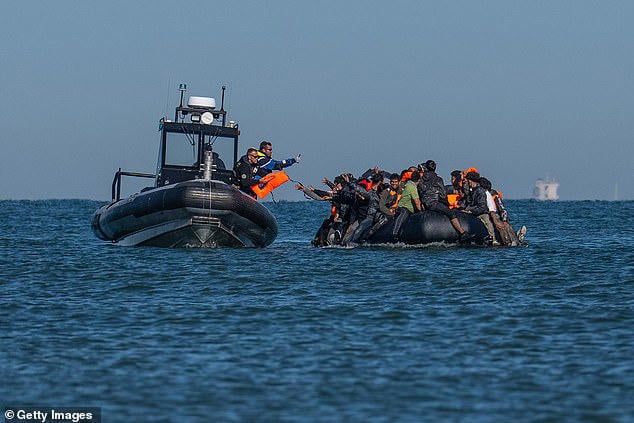
More than 70 migrants who crossed the English Channel in small boats have received compensation after a High Court ruling found the Home Office acted unlawfully by confiscating mobile phones on arrival in the UK.
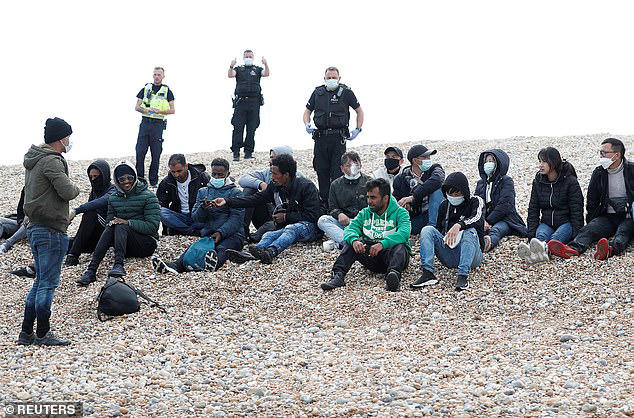
The policy, introduced in 2020 during a surge in crossings, allowed authorities to seize phones and SIM cards from asylum seekers, with data in some cases fully downloaded. Judges later ruled the approach breached the European Convention on Human Rights, citing unlawful blanket seizures and interference with privacy rights.

So far, 32 asylum seekers have received payouts totalling £210,800, with 41 additional cases still unresolved. If settled at similar levels, the total compensation could approach £500,000, while earlier estimates suggested more than 1,300 migrants might be eligible to claim.
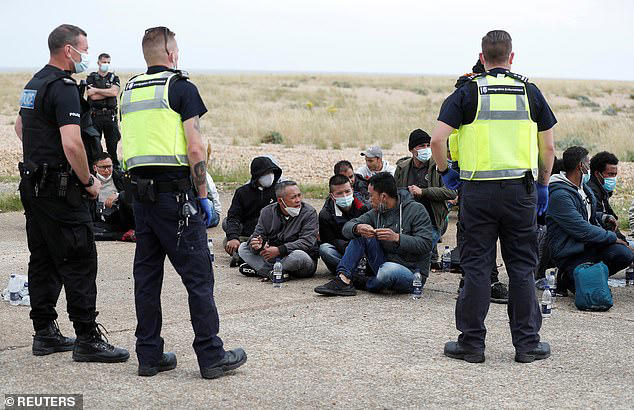
The legal challenge stemmed from a judicial review brought by three asylum seekers. The High Court found the policy lacked legal basis and was not properly published, describing it as a failure of governance.
The Home Office had argued the measures were needed to gather intelligence on people-smuggling networks. Since the ruling, new legislation has been introduced to make the seizure of migrants’ electronic devices lawful under updated powers.
From economics and politics to business, technology and culture, Kursiv Uzbekistan brings you key news and in-depth analysis from Uzbekistan and around the world. To stay up to date and get the latest stories in real time, follow our Telegram channel.