Uzbekistan Bets on Critical Minerals as U.S. Partnership Deepens

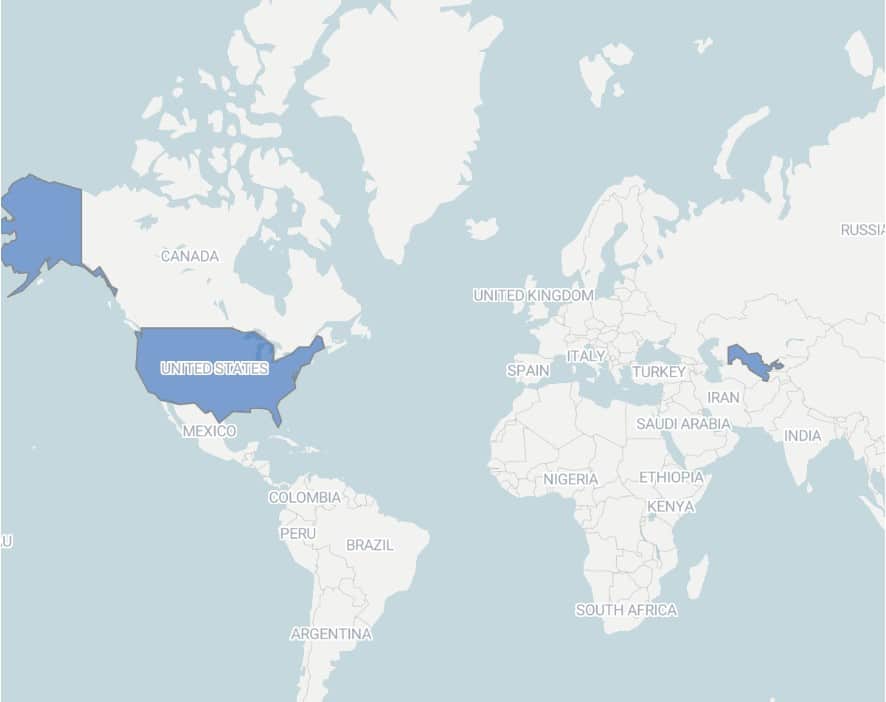
Uzbekistan is stepping up its ambitions to become a key player in the global critical minerals market, following a new memorandum of understanding (MoU) signed with the United States in early February. The agreement could open the door to investment and supply chain integration — but it also places Tashkent in a delicate geopolitical balancing act.
From diplomacy to resources
On February 4, Uzbekistan and the United States signed an MoU on securing supply chains for critical minerals and rare earths, building on a 2024 cooperation framework. The deal was announced during a Washington ministerial that brought together dozens of countries seeking to diversify supply chains dominated by China.
For Washington, the initiative is part of a broader strategy to secure access to strategic resources such as lithium, copper, and rare earth elements, which are vital for energy transition technologies and high-tech industries. For Uzbekistan, it signals growing relevance as a resource supplier and investment destination.
The agreement coincided with new U.S.-led initiatives, including FORGE, a proposed platform for coordinating resource partnerships, and Project Vault, a $12 bn effort to strengthen mineral stockpiles and reduce supply vulnerabilities.
Why Uzbekistan matters
Uzbekistan holds significant deposits of strategic minerals, including tungsten, lithium, vanadium, titanium, graphite, and germanium. These resources are increasingly in demand as global competition intensifies over materials needed for electric vehicles, semiconductors, and renewable energy systems.
Analysts say the new MoU elevates Uzbekistan’s role in global supply chains from a potential supplier to a strategic partner. If translated into concrete projects, it could unlock financing, technology transfer, and stronger links with Western markets.
However, much will depend on whether the agreement results in bankable projects. Investors are likely to focus on regulatory stability, licensing transparency, and environmental standards — key factors shaping long-term capital inflows into the mining sector.
A multi-vector tightrope
Uzbekistan’s resource diplomacy reflects its broader multi-vector foreign policy. Tashkent has traditionally balanced ties with China, Russia and Western partners, seeking investment from all sides while avoiding alignment with any single bloc.
Closer cooperation with the United States may trigger cautious reactions from Beijing and Moscow, both of which maintain strong economic and political influence in Central Asia. China, in particular, dominates global mineral processing and remains a major trade partner for Uzbekistan.
Against this backdrop, Uzbek officials are likely to frame the partnership as commercially driven rather than geopolitical — a strategy aimed at attracting Western capital without alienating existing partners.
What comes next
In the short term, the key test will be implementation. Washington is expected to define priority projects and financing mechanisms, potentially involving US development finance institutions and private investors.
Over the medium term, competition in the minerals sector could intensify, with China responding through commercial incentives rather than direct pressure. At the same time, regional dynamics may evolve, as Kazakhstan and Uzbekistan explore closer cooperation on resource development and supply chains.
Longer term, Uzbekistan’s ability to attract sustained investment will depend less on diplomacy and more on domestic reforms. Clear mining regulations, predictable taxation, and reliable dispute resolution could determine whether the country emerges as a stable hub for critical minerals in Eurasia.
Strategic opportunity with risks
The US-Uzbek minerals partnership underscores a broader shift: Central Asia is gaining prominence in the global resource map. For Uzbekistan, the opportunity is significant — access to capital, technology, and new markets.
Yet the path forward requires careful calibration. Turning diplomatic agreements into real projects while maintaining balanced foreign relations will be critical if Tashkent hopes to convert resource potential into lasting economic gains.