PART I. Official
The International Olympic Committee (IOC) has formally thanked organisers of the Milano Cortina 2026 Winter Olympics, praising the event as a milestone that redefined how the Games can be staged, and setting the tone for future Olympic hosts.
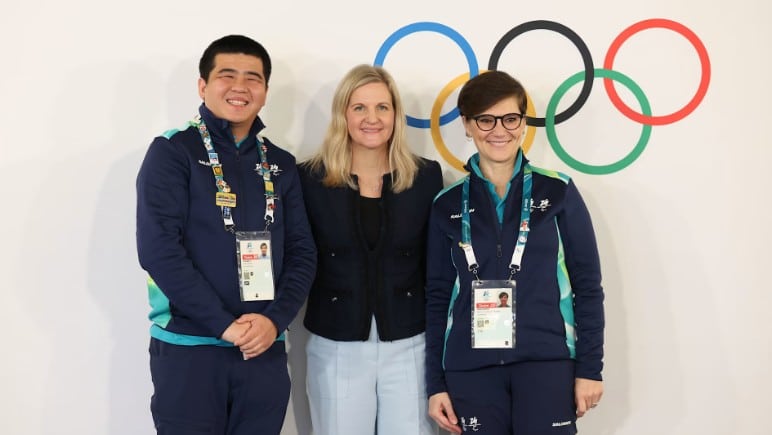
At a special ceremony held the day after the Closing Ceremony, IOC President Kirsty Coventry paid tribute to the thousands of people behind the two-week event, describing it as an edition marked by innovation, unity and lasting legacy.
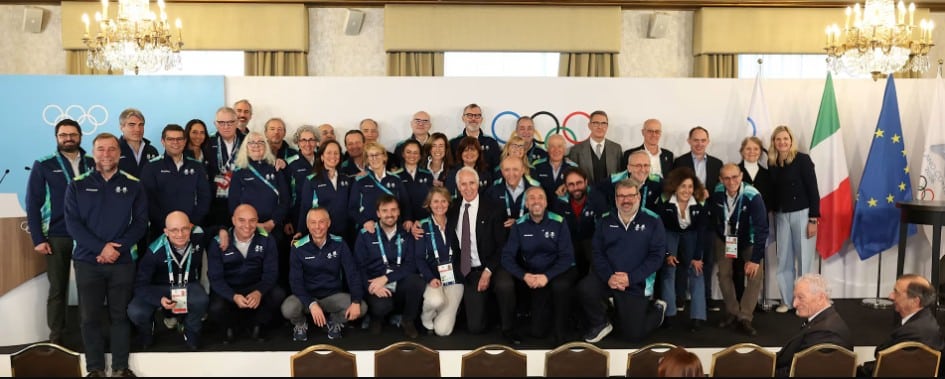
«What an incredible two weeks,» Coventry said, applauding the «courage, passion and pure joy» of the athletes and the collective effort that brought the Games to life across northern Italy.
«New kind of Winter Games»
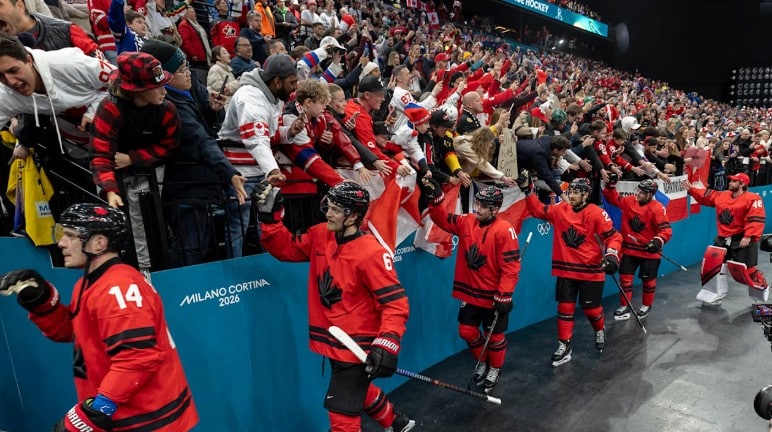
In her remarks, Coventry highlighted what she described as the defining feature of Milano Cortina 2026: a multi-region, sustainability-driven model that could shape the future of Olympic planning.
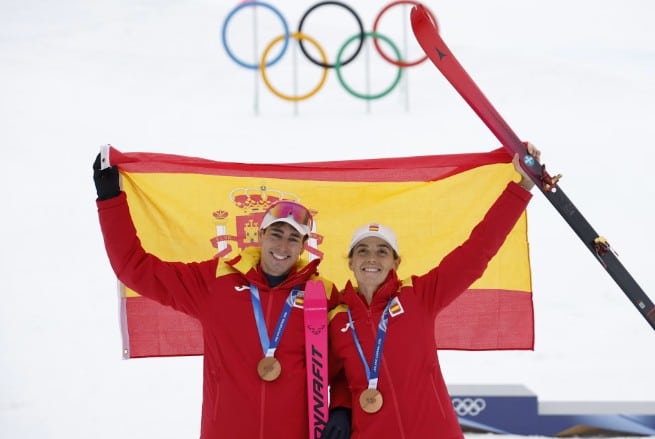
«Milano Cortina has delivered something truly special, a new kind of Winter Games,» she said. «When it was ‘go time’, every venue, every Olympic Village, every valley, every mountain peak, it all came together so beautifully.»
She pointed to «packed arenas» and «electric atmospheres,» alongside iconic Alpine backdrops that showcased Italy’s natural beauty. «Each of the venues told their own story,» she added.
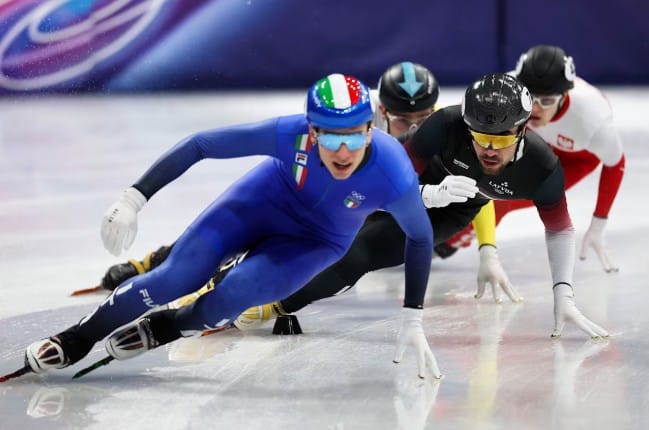
The distributed format, spanning Milan, Cortina d’Ampezzo and several Alpine regions, was initially seen as a logistical risk. But organisers say athlete feedback has been overwhelmingly positive, with consistent services across Olympic Villages helping maintain a unified Games experience.

Volunteers and communities at the heart of success
Coventry repeatedly emphasised the role of volunteers and local communities in shaping the Games’ atmosphere.
«To all the volunteers working in all these areas, thank you,» she said. «You have had huge smiles and huge welcomes wherever we’ve gone.»
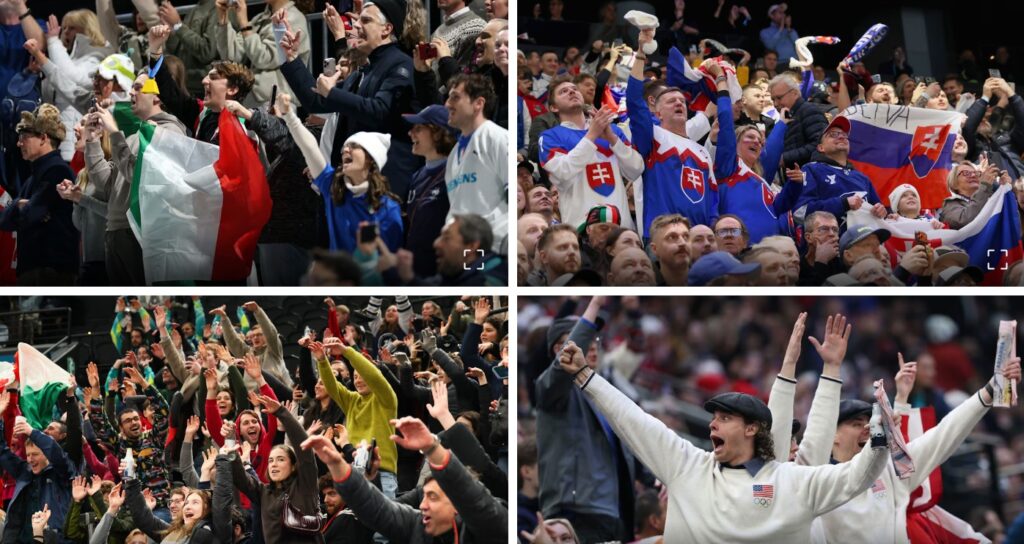
From packed biathlon stadiums to snow-covered mountain venues, organisers credited the warmth of spectators for creating an environment athletes described as energising and uniquely intimate.
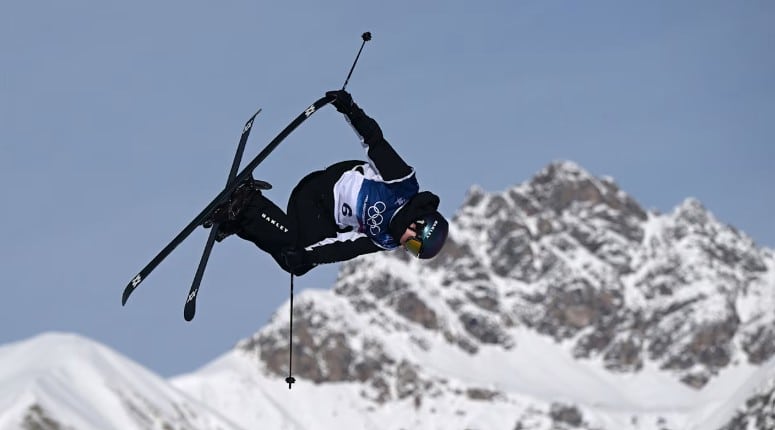
The debut of ski mountaineering, introduced as a new Olympic discipline, also drew strong crowds despite harsh winter weather, highlighting growing interest in emerging sports.
Olympic honours for key figures
During the ceremony, the IOC awarded Olympic Orders, its highest honour, to leaders who played central roles in delivering the Games.
Among those recognised were Milano Cortina 2026 Organising Committee President Giovanni Malago and CEO Andrea Varnier, along with senior officials from host cities and regions including Milan, Cortina, Lombardy and Veneto.
The distinctions acknowledged both operational success and the broader legacy of the Games, including infrastructure upgrades and regional cooperation across multiple host territories.
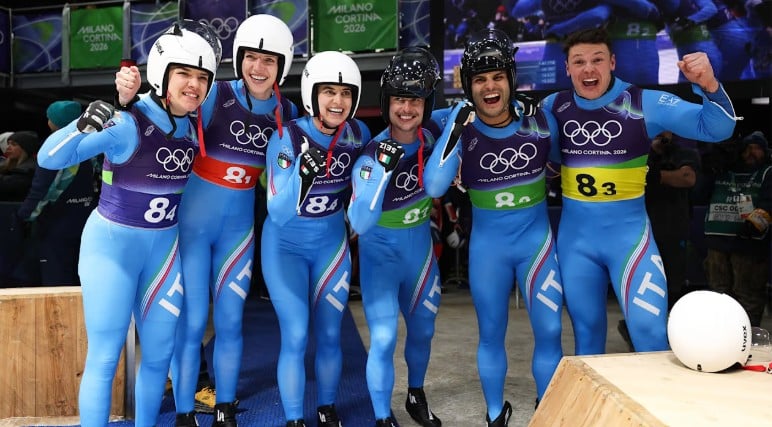
Special recognition was also given to Kristin Kloster, Chair of the IOC Coordination Commission, who received a set of commemorative medals for her leadership throughout the planning cycle.
Coventry praised Kloster’s role in guiding the project through complexity: she highlighted her ability to «listen, bring people together, and turn complexity into trust.»
Team Italy and historic performances
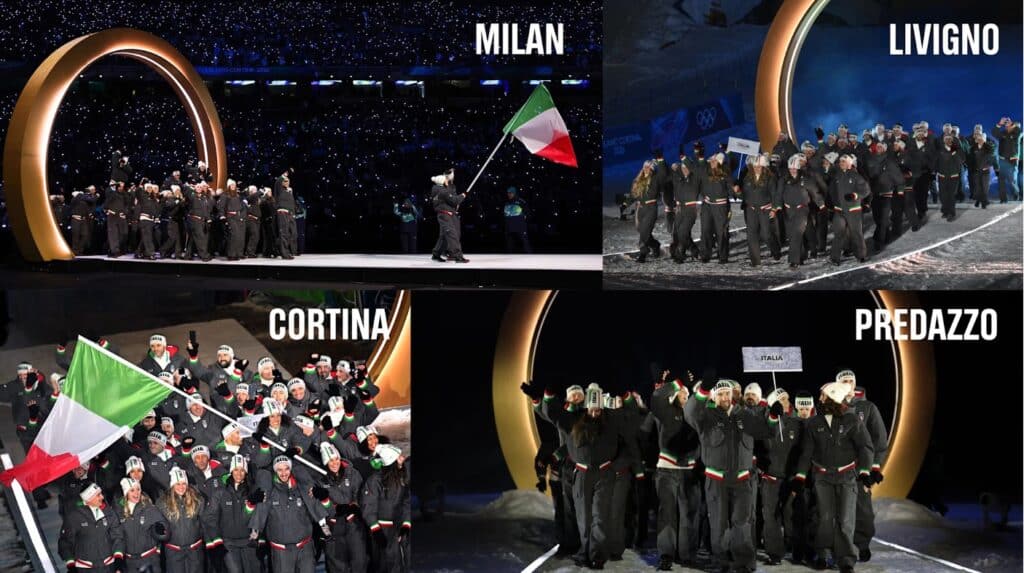
The celebrations also honoured sporting achievements, particularly those of the host nation. Italy recorded its most successful Winter Olympics ever, securing 30 medals — a result that organisers say could inspire a new generation of athletes.
The Italian National Olympic Committee (CONI) received the IOC’s Annual Medal in recognition of the achievement.
Across the wider Games, several nations achieved historic milestones. Brazil secured its first-ever Winter Olympic gold medal, while Georgia claimed its first podium finish, reflecting the expanding global reach of winter sports.
«These athletes are going to be inspirational heroes to so many people,» Coventry said. «That in itself is a very strong legacy.»
Digital reach and global unity
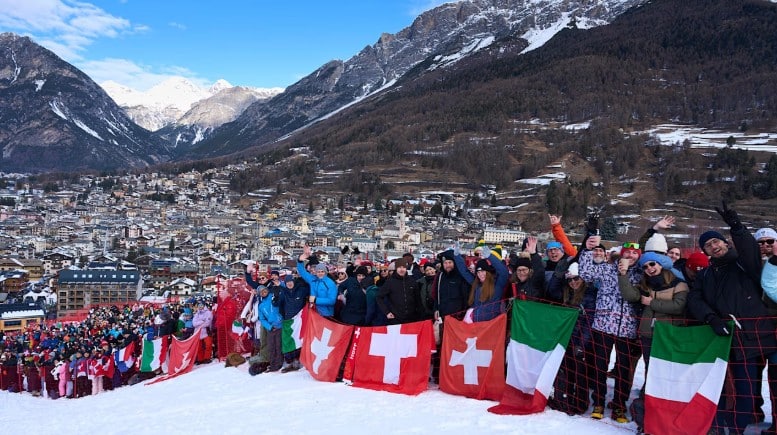
Beyond competition venues, the IOC also highlighted record-breaking global engagement. Broadcast and streaming figures exceeded expectations, while digital platforms recorded unprecedented interaction levels.
«When we look at the pure viewership numbers that we’re getting across the globe, it shows that the Olympic Games can unify people and bring people together,» Coventry said.
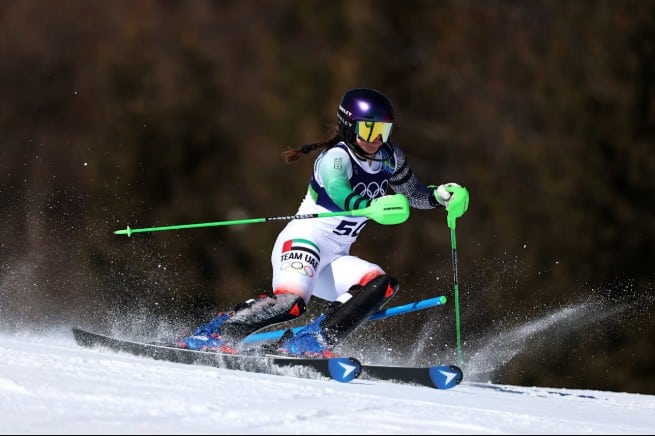
Organisers argue that the strong digital performance demonstrates the continued relevance of the Olympics in an evolving media landscape, especially among younger audiences.
A sustainable blueprint for future Games
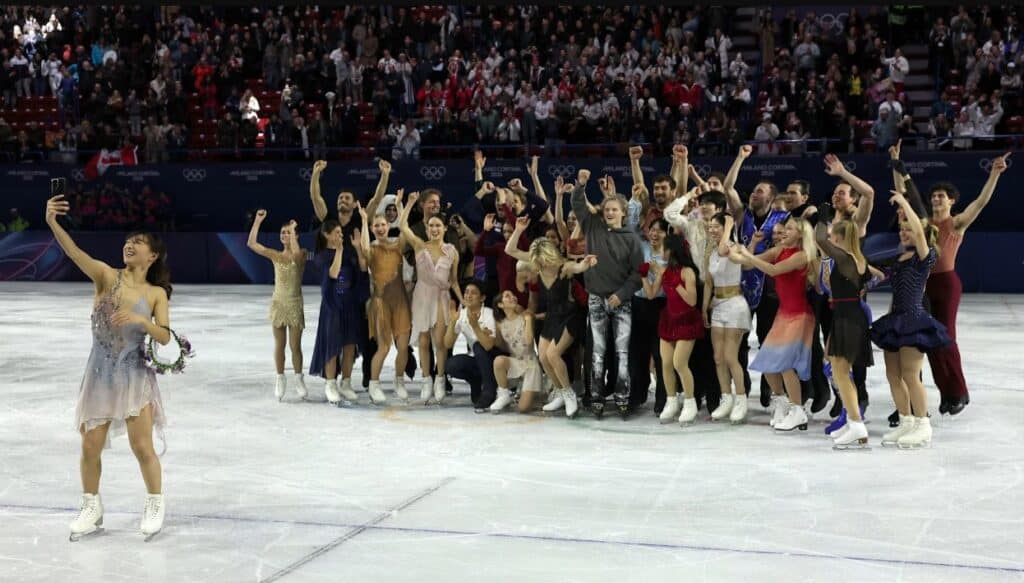
One of the most frequently cited successes of Milano Cortina 2026 was its sustainability-driven model. Rather than building a single mega-city hub, organisers used existing venues and spread events across multiple regions.
Coventry described the format as proof the Games can be delivered «in a new way of doing things, in a sustainable way of doing things.»
Local leaders have already pointed to long-term benefits, including upgraded transport infrastructure, improved winter sports facilities and increased tourism potential in Alpine communities.
Discussions are underway about using the enhanced venues for future international competitions and youth development programmes.
«It was incredible to see the focus on community legacy,» Coventry said, referencing projects in Bormio, Livigno and Cortina. She added that the venues were designed to «add lasting value to everyday life.»
Olympic Solidarity and widening participation
Another key theme highlighted by the IOC was inclusivity. Through its Olympic Solidarity programme, hundreds of athletes from developing winter sports nations received financial and logistical support on the road to Milano Cortina.
The initiative helped fund training, equipment and qualification campaigns, contributing to a more diverse field of competitors and several breakthrough results.
For the IOC, the success of these athletes underscored the role of redistribution and development programmes in maintaining the Games’ global relevance.
A Games defined by emotion and symbolism
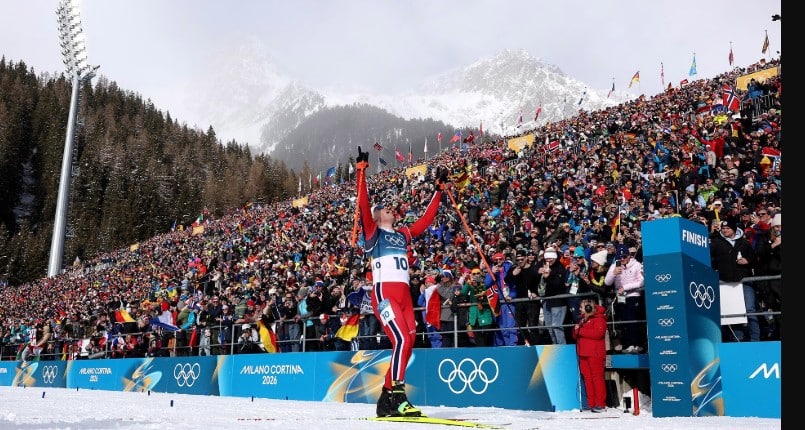
Beyond statistics and medals, organisers stressed the emotional impact of Milano Cortina 2026.
Scenes of athletes embracing across national lines, intimate ceremonies in smaller Alpine communities and strong local engagement were widely cited as defining moments.
«You look at every single competition, and the athletes embrace each other. They respect each other,» Coventry said. «That, for me, is the greatest sign of peace, unity and respect.»
Looking ahead: from the Alps to Los Angeles
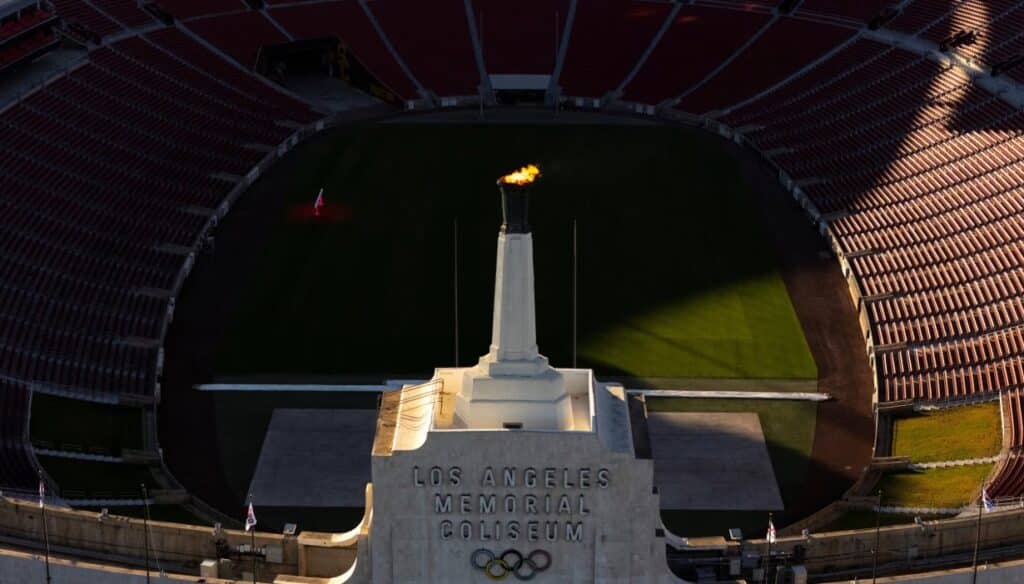
As celebrations concluded in Italy, the Olympic movement quickly shifted focus to the next chapter: Los Angeles 2028.
Yet the legacy of Milano Cortina may extend well beyond the next Olympic cycle. With its multi-host format, emphasis on sustainability and strong community integration, the Games are increasingly seen as a test case for future hosts navigating rising costs and environmental scrutiny.
If the IOC’s tone is any indication, Milano Cortina 2026 could mark a turning point in how the world’s largest sporting event evolves.
«Milano Cortina has shown what is possible,» Coventry said. «These Games remind us that sport still has the power to inspire, unite and create lasting change.»
As the Olympic flame moves on, organisers hope the lessons from northern Italy will shape the next generation of Games — blending tradition with innovation while keeping athletes and communities at the centre of the Olympic story.
PART II. Celebration
Milano Cortina 2026 Closing Ceremony wraps Winter Games with opera, symbolism and a look to the future
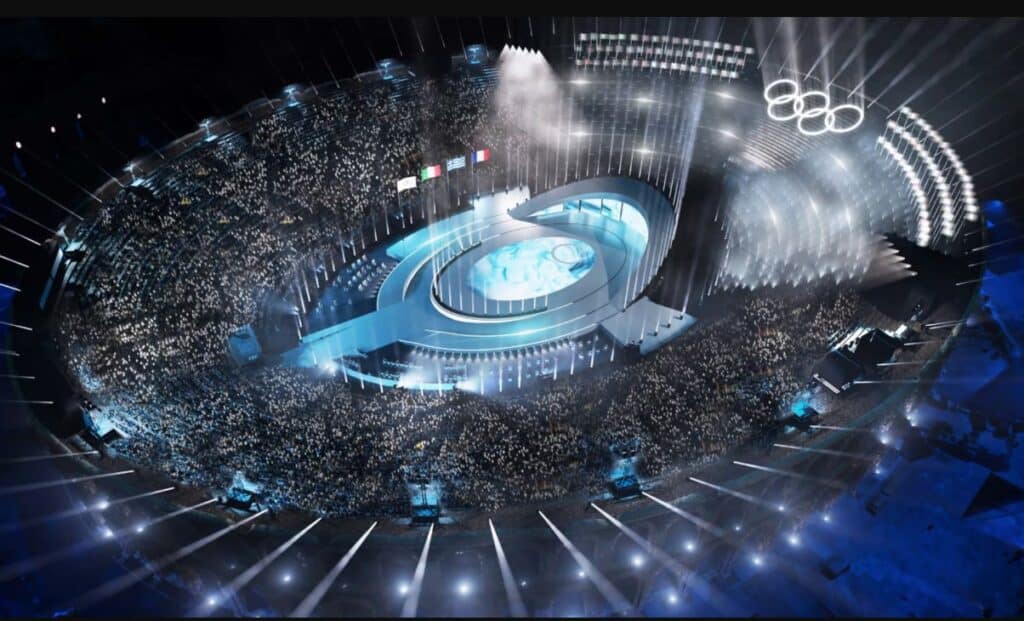
The Milano Cortina 2026 Winter Olympics concluded with a vibrant and emotional Closing Ceremony in Verona, bringing together music, sport and symbolism as Italy bid farewell to the world and passed the Olympic torch to the next host.
Held inside the historic Verona Olympic Arena, the ceremony blended classical Italian culture with modern performances, marking the end of two weeks of competition that organisers described as one of the most innovative Winter Games in history.
A celebration of athletes and unity
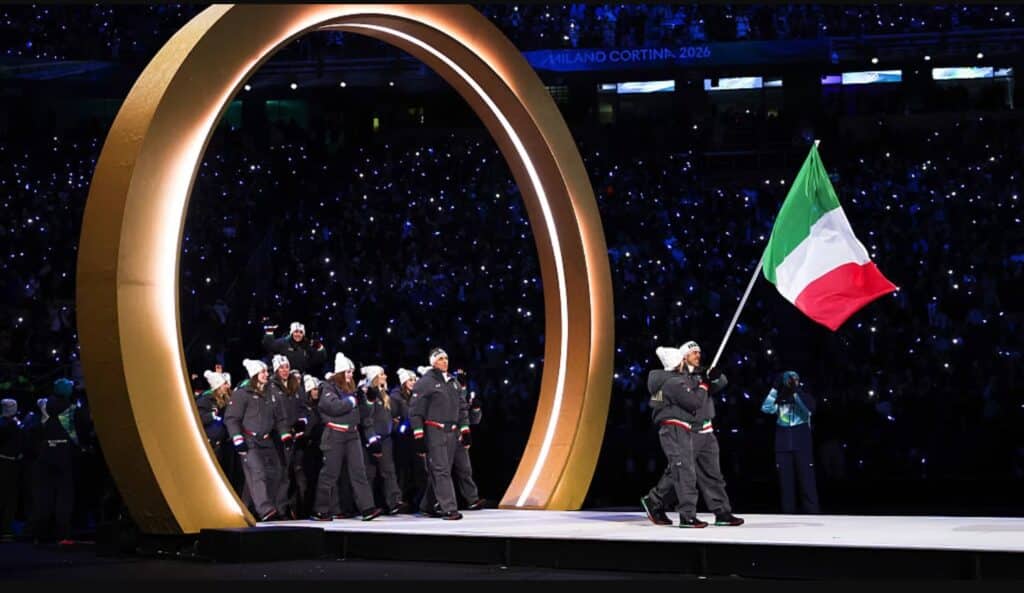
At the heart of the ceremony were the athletes themselves, who entered the arena in a traditional mixed parade that saw national delegations celebrating together rather than marching in strict formation.
Flagbearers from dozens of nations led their teams into the stadium, highlighting the diversity of the Games and the achievements of athletes from more than 90 countries. Many of the closing flagbearers were newly crowned medallists or breakout stars, reflecting the Olympic tradition of honouring standout performers at the end of the Games.
The relaxed format allowed athletes to celebrate freely, dancing and taking photos as the Olympic journey came to an end.
Opera, dance and Italian flair
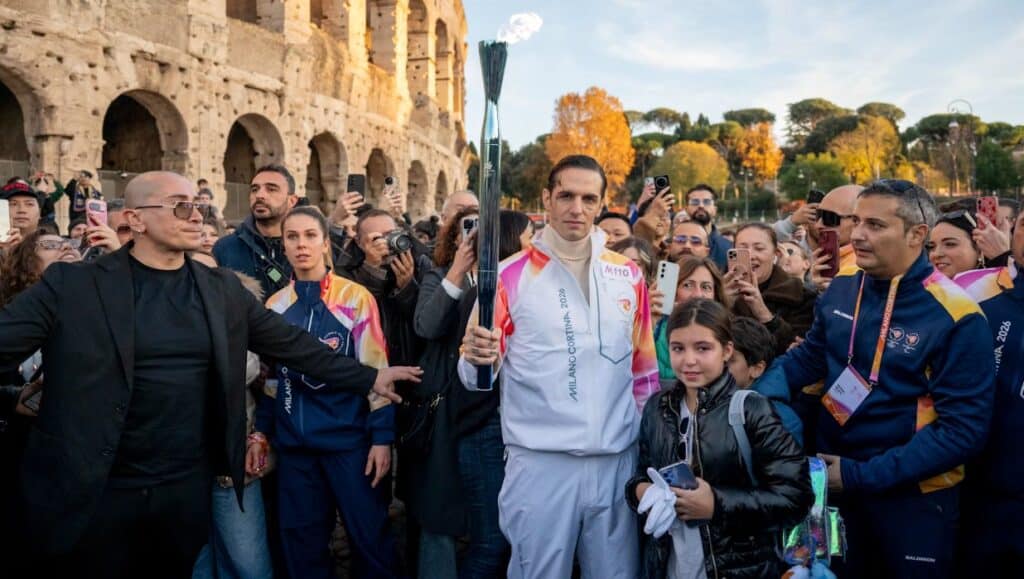
Italian cultural heritage took centre stage throughout the evening, with opera and contemporary dance forming the backbone of the artistic programme.
One of the most talked-about moments was a performance by Italian artist Achille Lauro, whose appearance brought a modern edge to a ceremony otherwise steeped in classical references. The show combined theatrical staging, fashion and music in a segment designed to reflect Italy’s creative identity.
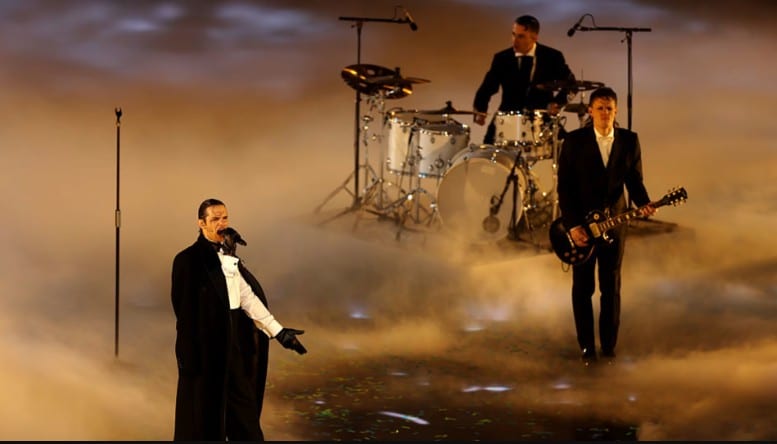
Organisers said the ceremony aimed to capture both the grandeur of Italian tradition and the dynamism of its modern cultural scene — a theme that ran throughout the Games.

The Olympic Flame extinguished
In one of the most symbolic moments of the evening, the Olympic Flame was extinguished, marking the official end of Milano Cortina 2026.
In a nod to the Games’ unique multi-region format, the flame had burned across both Milan and Cortina d’Ampezzo during the event, reflecting the distributed hosting model that defined this edition of the Winter Olympics.
As the flame went out, the arena fell into a reflective silence, followed by applause from athletes and spectators who had filled the stands.
Flag handover to French Alps 2030
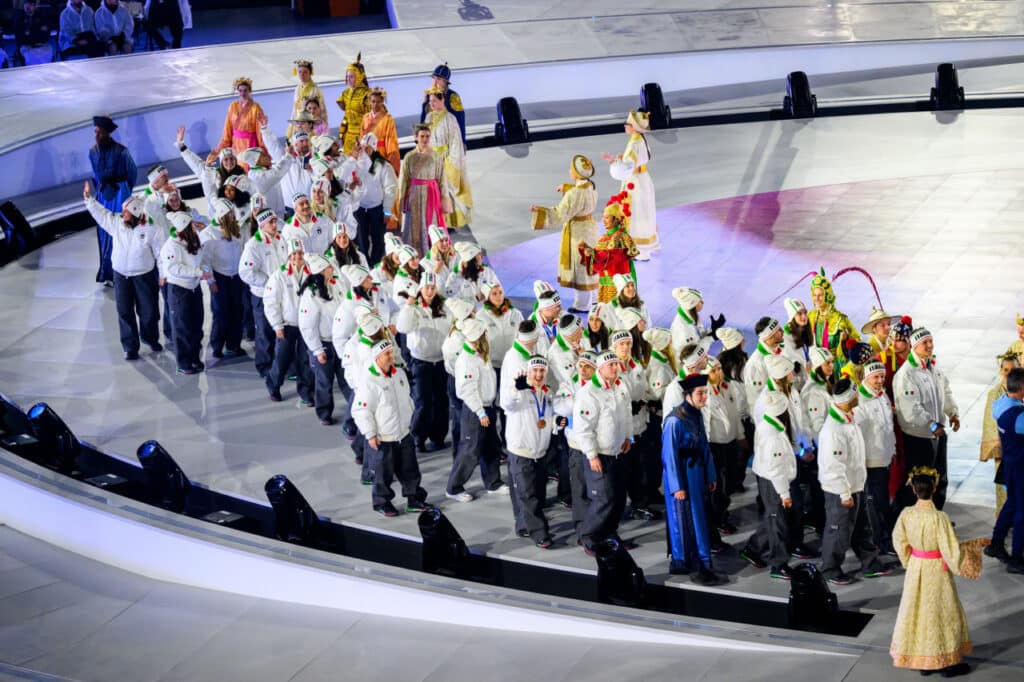
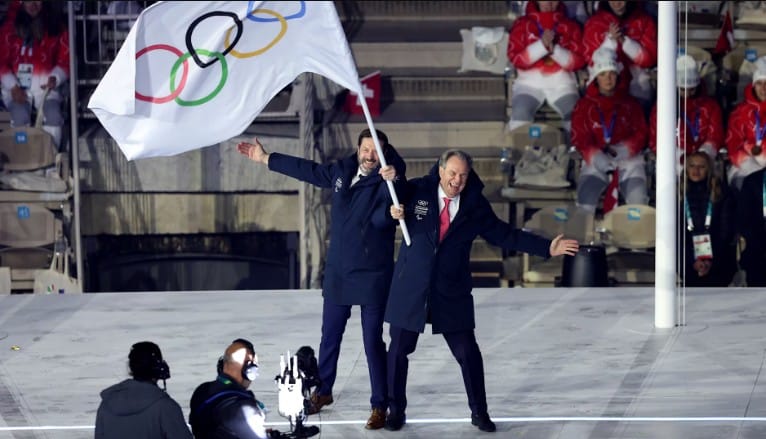
The ceremony’s most important official moment came with the transfer of the Olympic flag to the next host: the French Alps, which will stage the 2030 Winter Olympics.
During the formal handover, Olympic officials and representatives from Italy and France took part in the traditional flag ceremony, symbolising continuity between Olympic generations.
A preview segment from the French Alps organisers followed, offering a first glimpse of what the 2030 Games could look like and setting the stage for the next chapter in the Winter Olympic story.
A farewell shaped by innovation
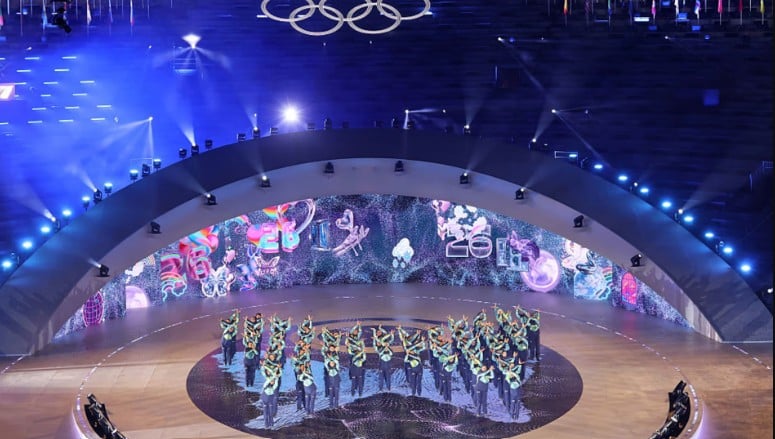
Milano Cortina 2026 has been widely seen as a turning point for the Olympic movement. Unlike previous Winter Games centred in a single host city, this edition used a multi-cluster model, spreading events across several regions in northern Italy.
Supporters say the format reduced infrastructure pressure while showcasing different landscapes, from Alpine peaks to historic cities, though it also posed logistical challenges.
The Closing Ceremony reflected that diversity, weaving together imagery and themes from across the host regions.
Emotional end to a historic edition
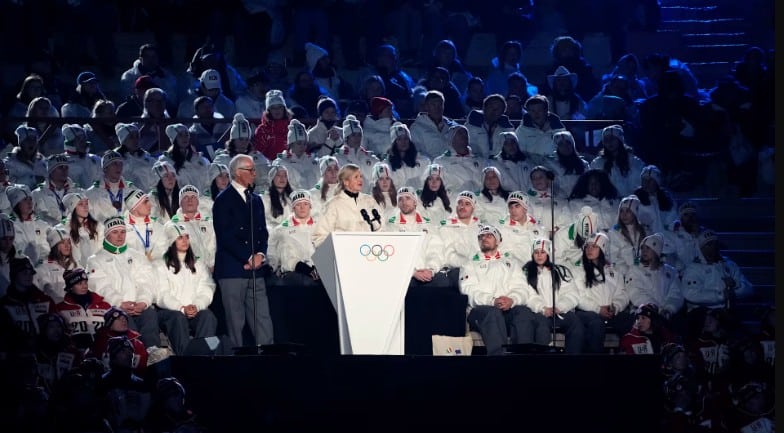
For many athletes, the ceremony marked an emotional farewell to a Games defined by breakthrough moments, historic medals and strong fan engagement.
Several countries celebrated milestone achievements during Milano Cortina 2026, including first-ever Winter Olympic medals and record national performances. Host nation Italy also delivered one of its most successful Winter Games, energising home crowds throughout the competition.
Scenes of athletes embracing and exchanging memorabilia in the arena underscored the Olympic message of unity that organisers repeatedly highlighted.
Looking ahead to the next Games

With the Olympic flame extinguished and the flag handed over, attention now shifts to the next major events on the Olympic calendar, including the Los Angeles 2028 Summer Olympics and the French Alps 2030 Winter Games.
While the spotlight moves on, Milano Cortina leaves behind a legacy shaped by sustainability experiments, strong regional collaboration and a renewed focus on athlete experience.
As fireworks closed the night over Verona, the ceremony delivered a final message: the end of one Olympic chapter, and the beginning of another.
rom economics and politics to business, technology and culture, Kursiv Uzbekistan brings you key news and in-depth analysis from Uzbekistan and around the world. To stay up to date and get the latest stories in real time, follow our Telegram channel.