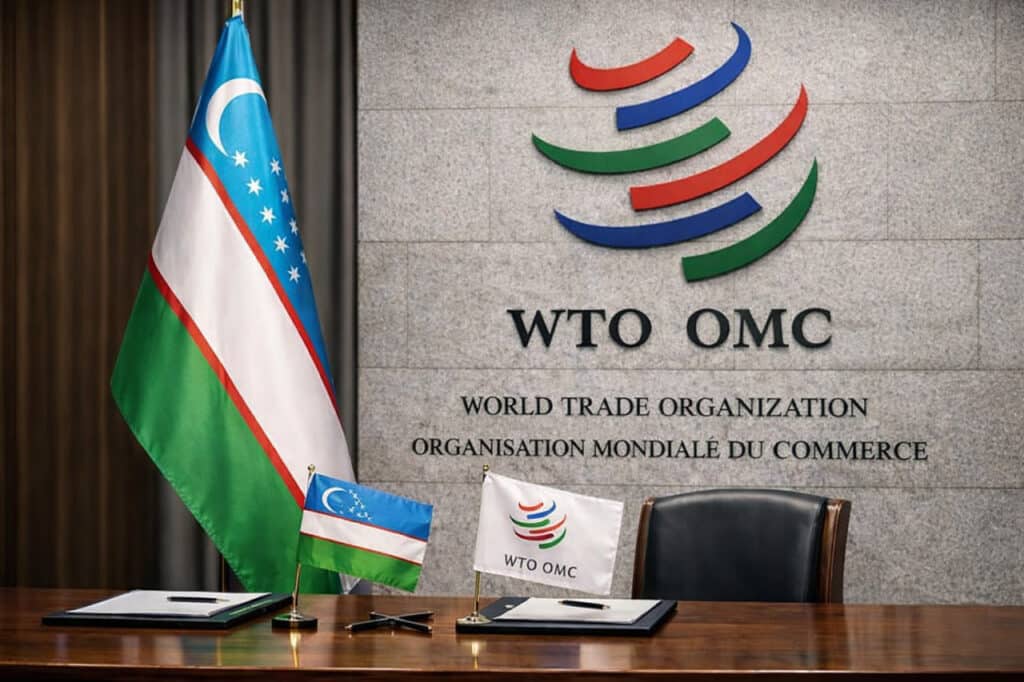
Uzbekistan’s long-awaited accession to the World Trade Organisation (WTO) promises to reshape the nation’s economy, opening doors to global markets and foreign investment. Yet for many ordinary citizens and local businesses, the transition raises pressing questions: will prices fall, jobs shift and industries survive the sudden exposure to international competition?
To explore these issues, Kursiv Uzbekistan spoke with Dr Evangelos Koutronas, an expert in economic policy and international trade, about the likely short- and long-term effects of joining the WTO.
Regulatory Sprint: Can the Economy Keep Up?

Uzbekistan plans to introduce 29 new laws in 2026 alone as part of WTO alignment. Dr Koutronas warns that the challenge is not in passing legislation but in effective implementation.
«Absorption capacity depends not merely on formal legal alignment but on the clarity of secondary regulations, consistency of enforcement, and the compliance capabilities of firms, particularly small and medium-sized enterprises operating with limited administrative and financial resources,» he says.
Larger companies are generally better equipped to comply, while smaller businesses may face higher costs and operational uncertainty. This uneven adaptation could accelerate consolidation, with weaker firms merging or exiting the market, while stronger players expand.
Short-Term Jitters: Jobs and Business Survival
Many citizens worry about immediate consequences. Dr Koutronas compares the process to China’s WTO entry in 2001, but stresses that Uzbekistan’s industrial base is narrower and less diversified.
«Transitional pressures should be seen as part of a reallocation process rather than evidence of economy-wide deterioration,» he explains.
Industries protected from foreign competition, such as automotive and chemicals, may experience temporary job shifts, selective exits, and restructuring over 2026–2027. However, these effects are expected to be sector-specific rather than systemic, paving the way for long-term efficiency and productivity gains.
Prices and Inflation: Will Citizens Feel Relief?
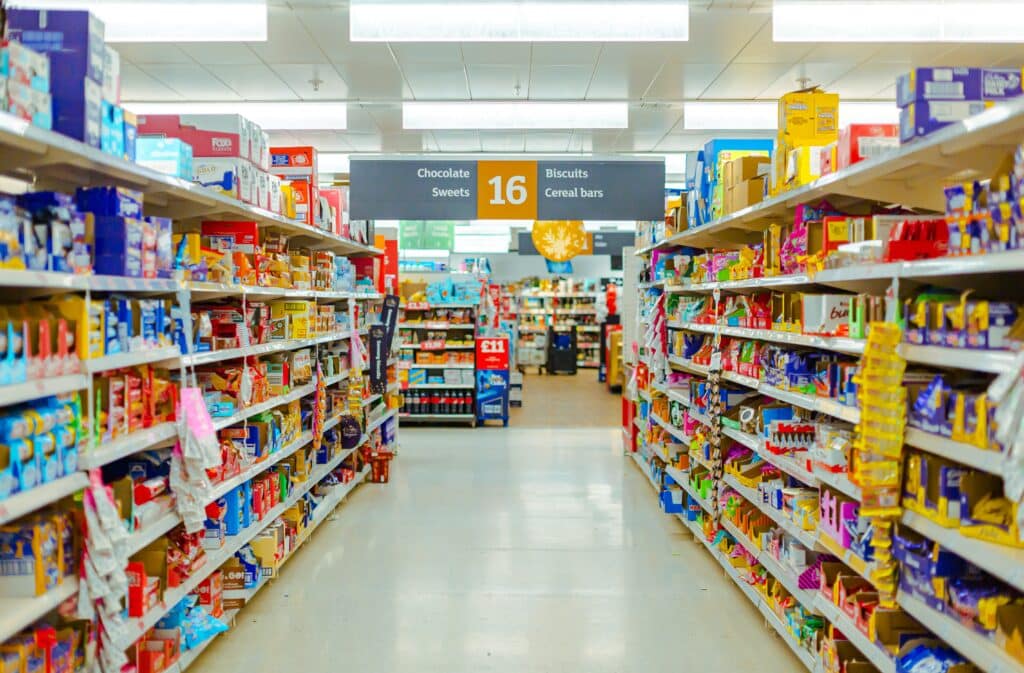
A key question for ordinary Uzbek consumers is whether WTO accession will make life cheaper. While tariff reductions could lower prices on some imported goods, Dr Koutronas cautions that global pricing standards for energy and raw materials may offset these savings.
«The net effect on shelf prices will vary across sectors and goods,» he notes.
For Businesses: Adapt or Expand
For mid-sized manufacturers, WTO accession changes the rules of the game.
«Greater exposure to global competition reduces the space for informal advantages and non-market practices. Firms that survive and grow will be those that prioritise efficiency, transparency and merit-based hiring,» Dr Koutronas says.
Domestic giants in automotive and chemical production face particular pressure, with legacy cost structures and limited product differentiation making them vulnerable to Chinese or European competitors. Conversely, firms that have invested in modernisation, diversification, and export-readiness are more likely to weather the storm.
Unexpected Winners
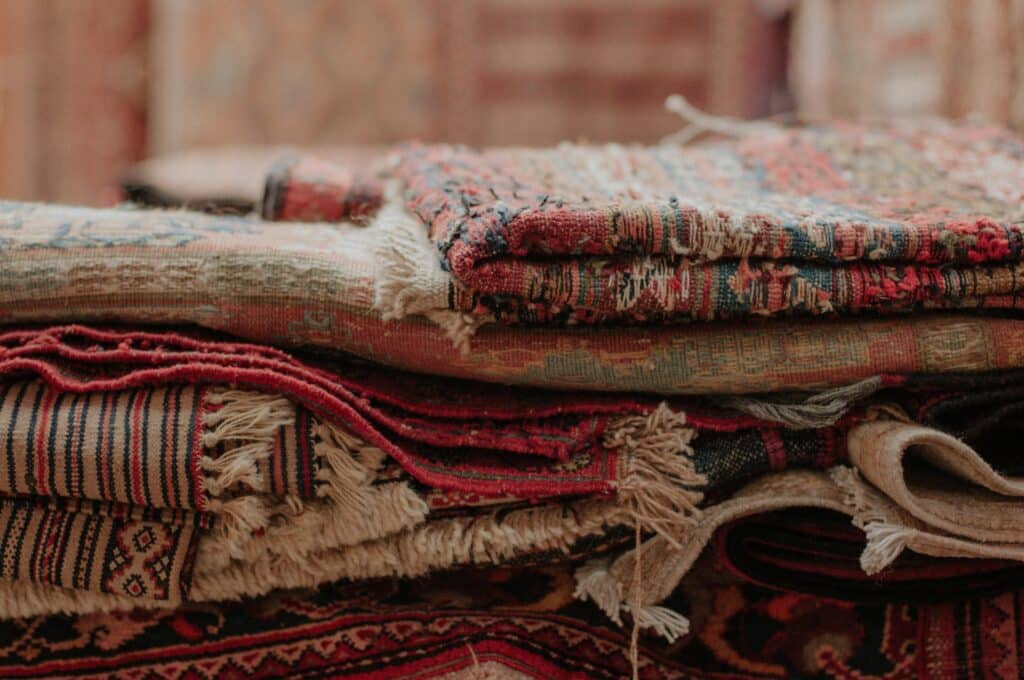
Textiles and agriculture are widely expected to benefit from WTO membership, while sectors like food processing, packaging, logistics, cold chain services, IT-enabled business services, specialised industrial services, and building materials may also expand as Uzbekistan integrates into global supply chains.
Structural Transformation
Ultimately, WTO accession brings a long-term structural transformation, not just a single economic shock. Key takeaways are: first, success requires carefully sequenced reforms, institutional readiness, and a supportive policy environment to help firms adapt. Second, for ordinary citizens, change will be gradual—some goods may become cheaper, jobs may shift between sectors, and the marketplace will demand more productivity and innovation.
Dr Koutronas concludes: «The long-term outcome will be determined by sustained improvements in productivity and competitiveness and by the ability of firms to embrace a more open and rules-based trading environment. Those who adapt will benefit, while those relying on connections or outdated practices will face real pressure.»
Uzbekistan’s WTO journey brings both challenges and significant opportunities. Citizens and businesses stand to benefit most by embracing change, focusing on adaptation, and looking for long-term gains.