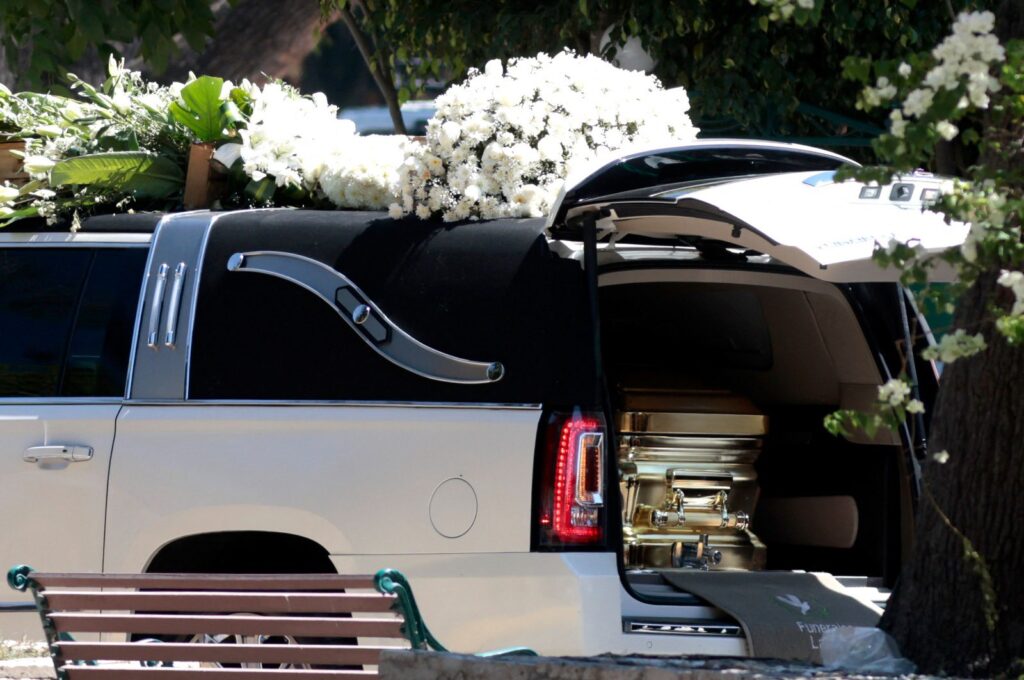
Nemesio Oseguera Cervantes, El Mencho, the leader of the Jalisco New Generation Cartel, was buried Monday in a golden casket with large floral wreaths and a strong military presence in Zapopan, a suburb of Guadalajara.
A federal official confirmed the burial, but requested anonymity. The Attorney General’s Office declined to confirm the location, citing security concerns. Dozens attended the funeral, many carrying black umbrellas under the sun, accompanied by a banda music band. Some floral arrangements featured a rooster, a reference to Oseguera Cervantes’ nickname, «Lord of the Roosters.»
Oseguera Cervantes was killed by the Mexican army just over a week ago during an attempt to capture him. According to the death certificate obtained by The Associated Press, he suffered multiple bullet wounds to his chest, abdomen and legs and died en route to hospital along with two bodyguards. The operation took place in Tapalpa, Jalisco, and sparked violence across 20 states.
His body was transported to Mexico City for an autopsy before being returned to his family on Saturday. Authorities confirmed the burial followed standard procedure to allow additional forensic evidence to be collected if needed.
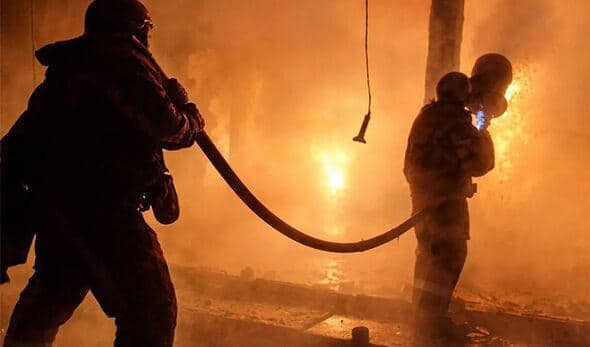
Security concerns around the burial were heightened due to retaliation by the cartel. More than 70 people died between the military operation and subsequent violence. The government continues operations targeting high-ranking cartel members.
𝗙𝗨𝗡𝗘𝗥𝗔𝗟 𝗗𝗘 «𝗘𝗟 𝗠𝗘𝗡𝗖𝗛𝗢» 𝗕𝗔𝗝𝗢 𝗙𝗨𝗘𝗥𝗧𝗘 𝗢𝗣𝗘𝗥𝗔𝗧𝗜𝗩𝗢 𝗬 𝗦𝗜𝗠𝗕𝗢𝗟𝗢𝗚𝗜́𝗔 𝗗𝗘𝗟 𝗖𝗝𝗡𝗚
— LuisCardenasMX (@LuisCardenasMx) March 2, 2026
Coronas sin firma, arreglos con las siglas del Cártel Jalisco Nueva Generación y asistentes con el rostro cubierto marcaron la despedida.
El sepelio se… pic.twitter.com/MFZKuU87Tz
Burials of cartel leaders in Mexico are often shrouded in secrecy, and supporters sometimes use these occasions to mythologize them. Within hours of El Mencho’s death, narcocorridos, ballads about drug lords, were composed.
Other infamous drug lord burials in Mexico include those of Ignacio Coronel, Arturo Beltrán Leyva, Nazario Moreno, Heriberto Lazcano and Amado Carrillo Fuentes, some of whom died under unusual circumstances or whose bodies disappeared.