Bank of England May Raise Interest Rates if Iran Conflict Drives Energy Prices Higher

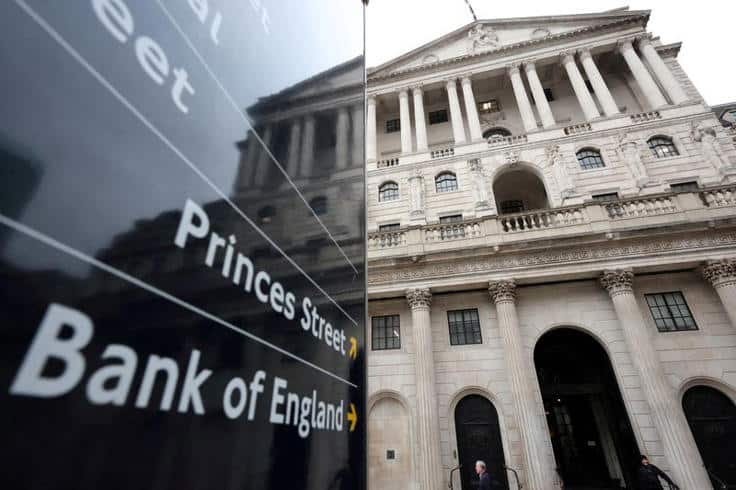
The Bank of England could raise interest rates later this year if energy prices remain elevated following the conflict involving Iran, economists have warned.
Analysts say disruption to oil and gas flows through the Strait of Hormuz and wider instability in the Middle East could increase inflation and force policymakers to reconsider plans to lower borrowing costs.
Oil prices have already reacted to the tensions. Brent crude rose to around $81 per barrel, roughly 10% higher than last week, while UK natural gas prices briefly more than doubled before easing.
Research from the National Institute of Economic and Social Research suggests that if oil prices temporarily rise to $100 per barrel for three months, UK inflation could increase by 0.3 percentage points. A year-long energy shock could push inflation 0.7 percentage points higher and slightly reduce economic growth.
Economists say the key issue for the central bank will be whether higher energy costs prove temporary or persistent. According to analysts at the Institute for Fiscal Studies, the Bank’s benchmark interest rate, currently 3.75%, could rise above 4% if inflation pressures intensify.
Financial markets had previously expected the Bank’s Monetary Policy Committee to cut interest rates later this year, but rising oil prices could derail those plans.
Higher borrowing costs would also complicate the economic agenda of the UK government led by Keir Starmer, which has been relying on falling interest rates to support growth and reduce debt-servicing costs.
From economics and politics to business, technology and culture, Kursiv Uzbekistan brings you key news and in-depth analysis from Uzbekistan and around the world. To stay up to date and get the latest stories in real time, follow our Telegram channel.