
China is preparing to introduce a new law that would require the use of Mandarin Chinese as the primary language in education and public life, a move critics say could restrict linguistic rights for ethnic minorities.
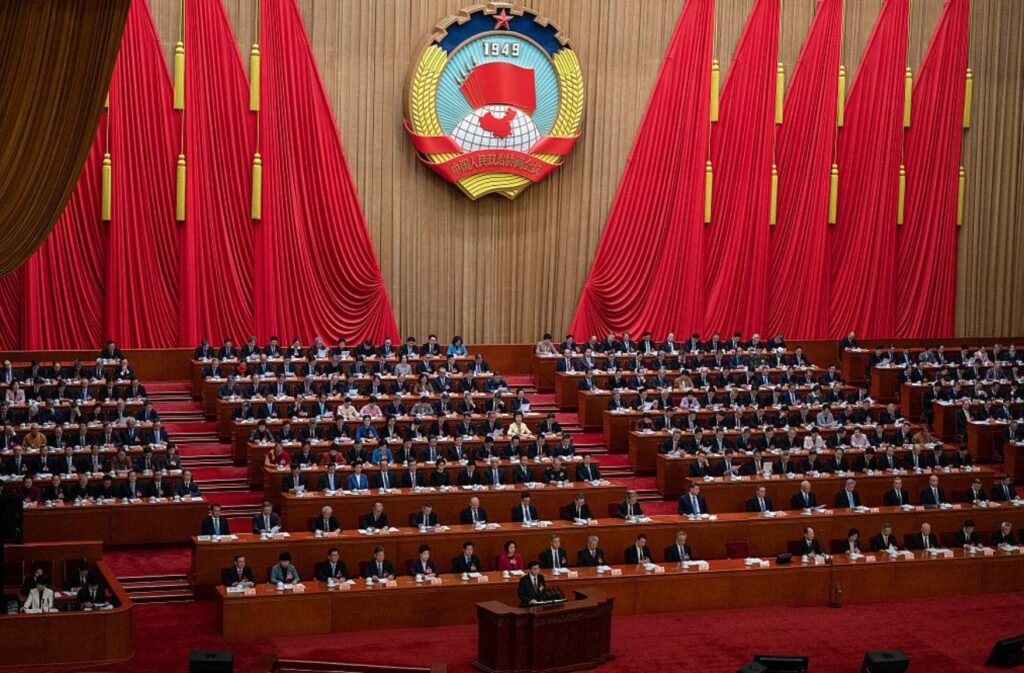
The proposed Law on Promoting Ethnic Unity and Progress, expected to be discussed during the annual meeting of China’s parliament, aims to strengthen national unity and standardise language use across the country.
Under the draft legislation, Mandarin would become the main language for core subjects in schools and universities, while minority languages would still be allowed as secondary subjects. The policy could affect communities such as Tibetans, Mongolians and Uyghurs, who traditionally use their own languages in education and daily life.
Supporters of the measure say it will promote social cohesion and economic development. Government documents linked to the proposal state that the law is intended to advance national unity under the leadership of Xi Jinping.
However, human rights organisations including Human Rights Watch have warned that the legislation could further limit cultural and linguistic freedoms. Critics argue the policy may accelerate assimilation efforts affecting minority populations, particularly in regions such as Xinjiang.
International attention on minority rights in China has intensified in recent years, especially over allegations that large numbers of Uyghurs have been detained in re-education facilities. Beijing has repeatedly denied accusations of abuses, describing the measures as part of anti-extremism and development policies.
If adopted, the law would mark one of the most significant language policy changes in China in decades.
From economics and politics to business, technology and culture, Kursiv Uzbekistan brings you key news and in-depth analysis from Uzbekistan and around the world. To stay up to date and get the latest stories in real time, follow our Telegram channel.