The UAE’s property market is under pressure after Iranian missile strikes shook the Gulf, undermining the perception of Dubai and Abu Dhabi as stable investment hubs, Reuters reports. The attacks on airports, ports and residential areas have heightened concerns over the sector’s reliance on foreign capital.
Developers that once sold out off-plan launches within hours now face uncertain demand. Off-plan deals accounted for 65% of Dubai property transactions in 2025, according to Betterhomes, making foreign buyers critical to sustaining the market.
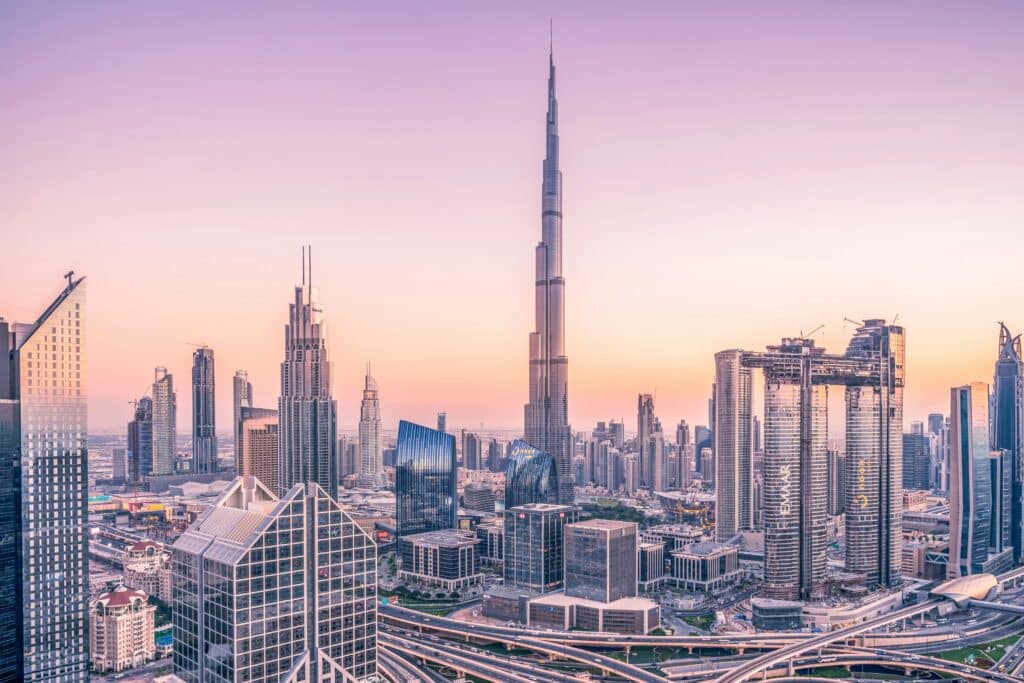
Shares of major developers fell sharply on Wednesday. Emaar Properties, behind downtown Dubai and the Burj Khalifa, and Abu Dhabi’s Aldar Properties each dropped 5%, while bond prices for key developers tumbled, effectively shutting the sector out of new funding. Some industry figures downplayed the selloff, citing strong fundamentals across the Gulf, but others warned that investor caution and higher risk premiums could slow capital raising and force asset sales if the conflict persists.
The UAE’s real-estate boom has been turbocharged over the past two decades by ambitious construction projects and a surge in wealthy migrants attracted by tax-free policies and liberalised visas. Dubai property prices rose 60% between 2022 and early 2025, while Abu Dhabi saw prices jump nearly 32%. However, analysts had already flagged oversupply risks before the conflict, with estimates that 300,000–400,000 new units would be built by 2028.
«The true impact will be felt in demand once the conflict ends,» said Mohammed Ali Yasin, CEO of Ghaf Benefits.
Expatriates and non-resident buyers remain a key pillar for sustaining the property market, with new supply set to rise later this year.
Experts caution that geopolitical uncertainty can erode investor confidence and destabilise markets built on foreign capital, leaving the UAE’s property sector facing its first real test since the post-pandemic rally.