Iran Names Mojtaba Khamenei as New Supreme Leader

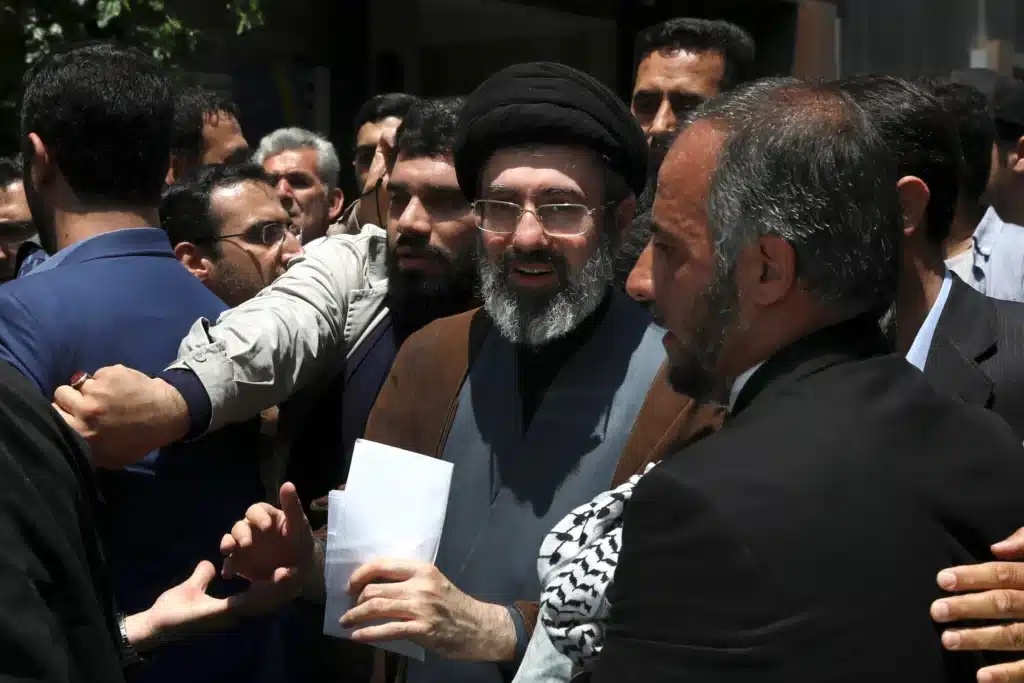
Mojtaba Khamenei has been appointed as the new supreme leader of Iran, succeeding his father Ali Khamenei.
The decision by the Assembly of Experts signals that hardline figures remain firmly in control in Tehran as fighting with United States and Israel enters its second week.
In a statement issued shortly after midnight in Tehran, the assembly said it had «by a decisive vote» chosen Ayatollah Seyyed Mojtaba Hosseini Khamenei as the third leader of the Islamic Republic. The role gives him ultimate authority over state affairs in Iran.
Mojtaba, a mid-ranking cleric with influence within Iran’s security establishment and business networks built during his father’s rule, had been widely viewed as a leading candidate before the vote by the 88-member assembly.
International tensions intensify
The appointment is likely to provoke anger in Washington. Donald Trump said the United States should have a say in selecting Iran’s next leader, warning that any candidate without American approval would struggle to remain in power.
Israel had earlier threatened to target whoever replaced Ali Khamenei, who was killed in one of the first strikes of the current conflict.
The United States military also confirmed that a seventh American service member had died from injuries sustained during Iran’s initial counterattack.
According to Iran’s ambassador to the United Nations, Amir Saeid Iravani, the U.S. and Israeli campaign has killed at least 1,332 Iranian civilians and wounded thousands. Iranian strikes have also caused casualties in Israel and among U.S. forces.
War escalates with new strikes
The conflict intensified over the weekend as Israeli attacks hit oil storage facilities in Tehran, sending thick black smoke over the capital and lighting the night sky with flames.
Iran’s foreign ministry spokesman Esmaeil Baghaei described the strikes as a dangerous escalation and accused Israel of committing a war crime by targeting fuel depots.
However, Israeli military spokesman Nadav Shoshani said the facilities were being used to support Iran’s military operations, including missile production, making them legitimate targets.
Benjamin Netanyahu said Israel would continue its campaign against Iran’s leadership.
«We have an organised plan with many surprises to destabilise the regime and enable change,» Netanyahu said.
Meanwhile, U.S. envoy Steve Witkoff and Jared Kushner are expected to travel to Israel for talks as the conflict continues to push up global energy prices and disrupt international travel.
