The war in the Middle East has triggered what the International Energy Agency described as the largest supply disruption in the history of the global oil market.
According to the agency, Iran’s actions in the region have effectively shut down the Strait of Hormuz, a corridor that normally carries around one-fifth of the world’s oil supply.
Oil flows through the strait have dropped by more than 90%, forcing Gulf producers such as Saudi Arabia, Iraq, Kuwait and the United Arab Emirates to slash production.
The IEA estimates that global supply will fall by about eight mln barrels per day this month, removing roughly 7.5% of the world’s oil output from the market.
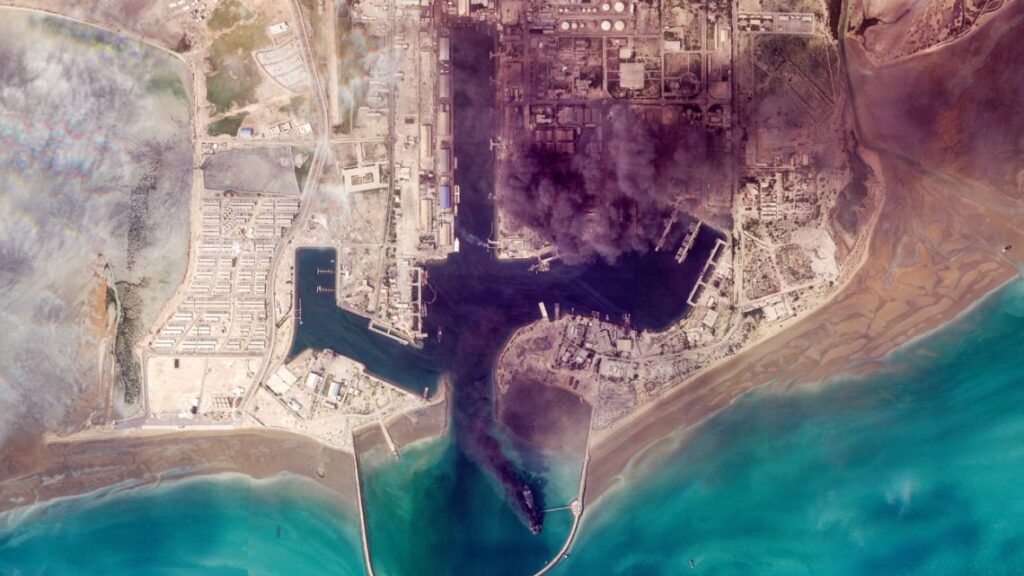
The disruption follows the escalation of conflict that began on February 28 when the United States and Israel launched airstrikes on Iran. In response, Tehran has carried out missile and drone attacks across the Gulf region and has vowed to keep the strait closed.
In a statement broadcast on state television, Iran’s Supreme Leader Mojtaba Khamenei said blocking the strait should remain a key strategy.
«The lever of blocking the Strait of Hormuz must definitely be used,» he said.
Oil prices have surged amid the crisis, with Brent crude rising above $100 per barrel, roughly 60% higher than at the start of the year.
In response, the IEA’s 32 member countries have agreed to release 400 mln barrels of oil from emergency reserves, the largest coordinated stock release in the agency’s history.
Despite the move, analysts warn that ongoing attacks on shipping and energy infrastructure could keep global markets volatile if the Strait of Hormuz remains largely closed.
From economics and politics to business, technology and culture, Kursiv Uzbekistan brings you key news and in-depth analysis from Uzbekistan and around the world. To stay up to date and get the latest stories in real time, follow our Telegram channel.