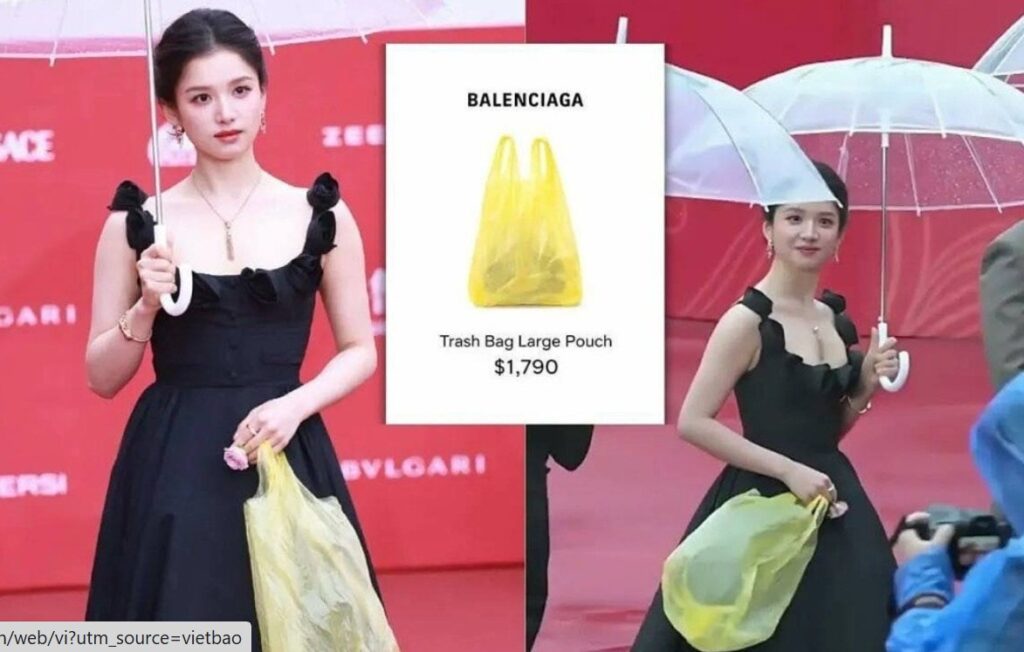
When Chinese actress Zhang Jingyi stepped onto the red carpet at the Beijing International Film Festival in March 2026, it wasn’t her gown that stole the spotlight. Instead, social media fixated on what appeared to be a simple plastic trash bag in her hand.
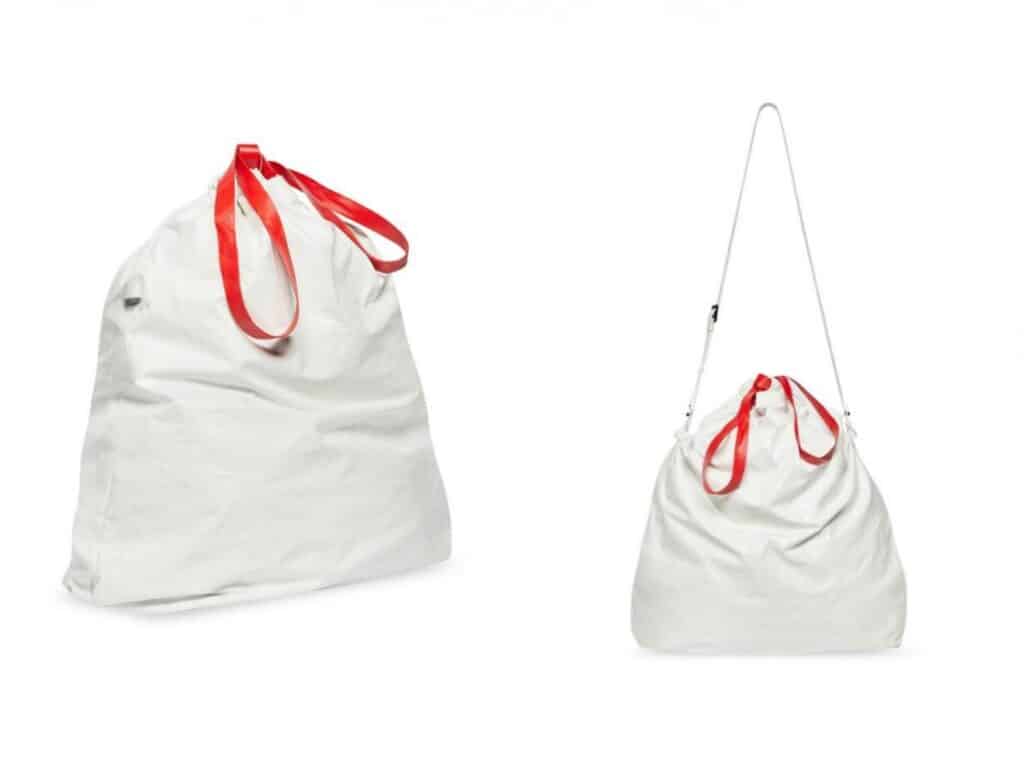
Within hours, the accessory became one of the most talked-about fashion moments of the year. What looked like a disposable bin liner quickly sparked confusion, jokes and criticism online. But the controversy was not entirely misplaced: the bag resembled the now-infamous «Trash Pouch» designed by Balenciaga, which sells for around $1,790.
The moment highlighted a growing trend in modern luxury fashion: turning everyday objects, sometimes even garbage, into expensive status symbols.
A red-carpet surprise
Zhang Jingyi, often described by fans as a «princess of the silver screen,» is known for her elegant public appearances and roles in popular Chinese films. Her style typically features classic couture gowns and refined accessories.
At the festival, she wore a black evening dress decorated with three-dimensional floral elements, a look that aligned with her polished image. Yet the accessory she carried sharply contrasted with the elegance of the outfit.
The crinkled bag in her hand looked exactly like something pulled from a kitchen trash bin.

For many viewers online, the juxtaposition was baffling: a glamorous red-carpet look paired with what seemed to be a household garbage bag. Memes and commentary quickly flooded platforms such as X, Instagram and Reddit, with users joking that fashion houses had finally «run out of ideas.»
The luxury of looking ordinary
In reality, the bag associated with the trend is far from disposable. Balenciaga’s controversial «trash bag» design is made from calfskin leather, treated with a glossy coating to mimic the shiny surface of plastic. Inside, the bag features fabric lining and drawstring ties typical of luxury accessories.
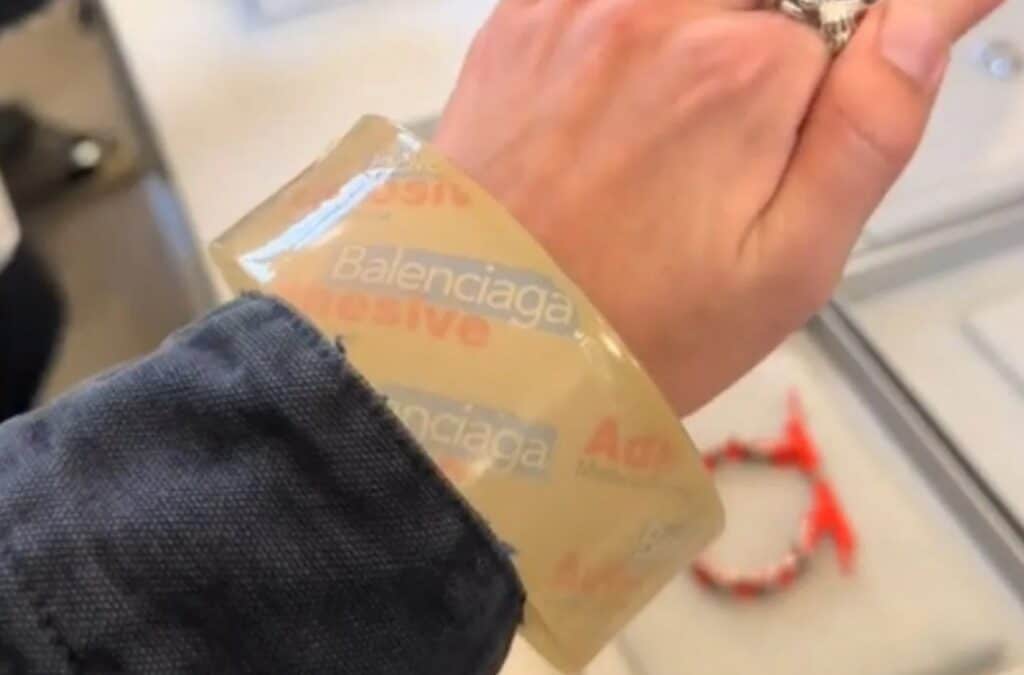
The concept was developed under the brand’s creative direction of Demna Gvasalia, known for pushing the boundaries of fashion with provocative designs.
The idea, according to fashion insiders, is less about practicality and more about symbolism. Instead of simply producing another luxury handbag, designers intentionally mimic mundane objects, plastic bags, tape rolls or paper shopping sacks, to challenge traditional notions of value.
For critics, however, the concept represents something else entirely: a luxury industry increasingly driven by shock value and viral marketing.
Fashion or social experiment?
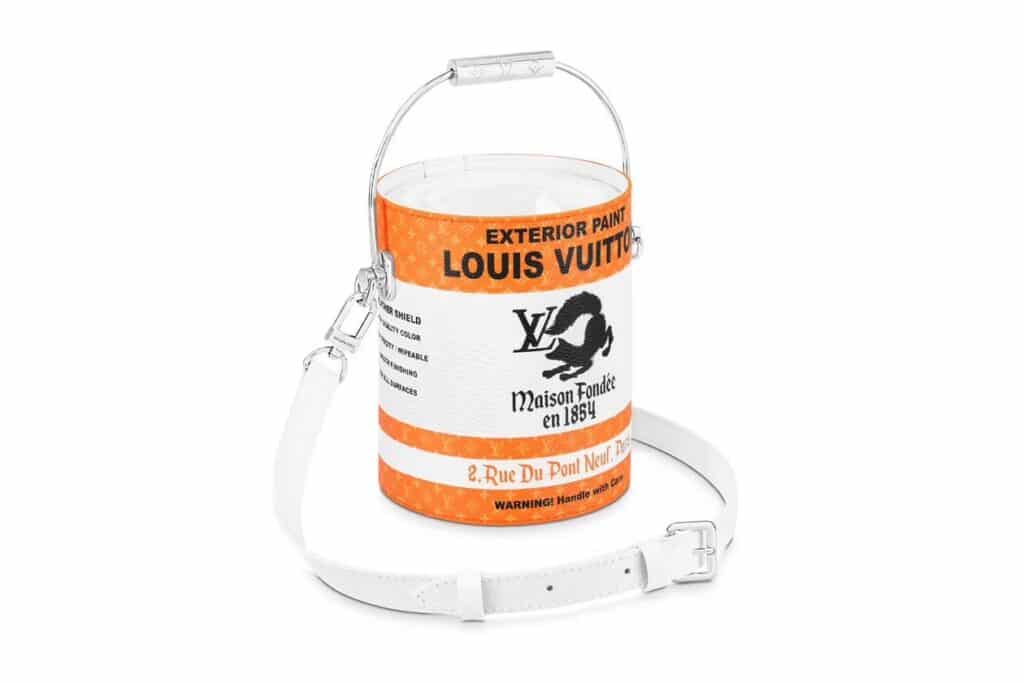
Balenciaga has built a reputation for turning controversy into publicity. Previous products from the brand include distressed sneakers sold for hundreds of dollars and accessories resembling ordinary household items.
The «trash bag» design fits squarely into this strategy. By presenting an item that looks like garbage but carries a luxury price tag, the brand generates immediate debate and massive online attention.

Some commentators argue that this approach is intentional. In the age of social media, outrage can be as powerful as admiration. If a product becomes a viral talking point, even a controversial one, it has already succeeded in attracting global attention.
As one London-based fashion creative director explained: «Fashion has always been about creating something new. Today, the ‘new’ is often shock. When you see a luxury trash bag, it’s less about the object and more about the conversation it creates.»
The rise of «meme fashion»
The phenomenon surrounding Zhang Jingyi’s appearance also reflects a broader trend often described as the «meme-ification» of luxury fashion. Modern fashion houses increasingly design items with viral potential in mind.
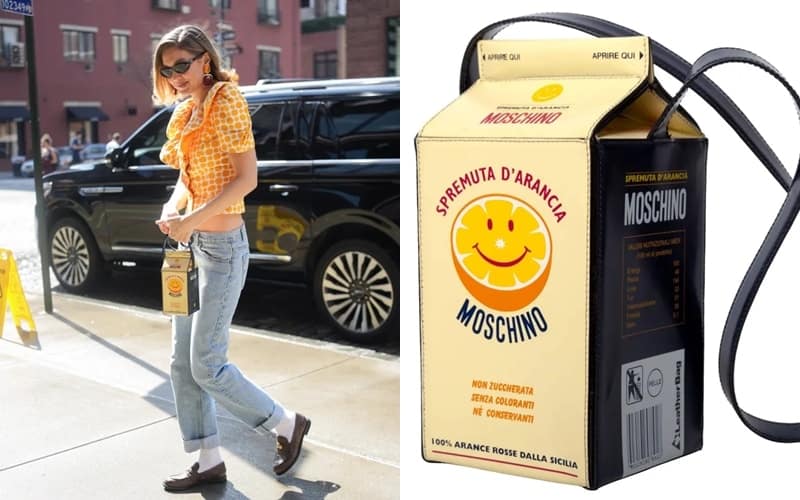
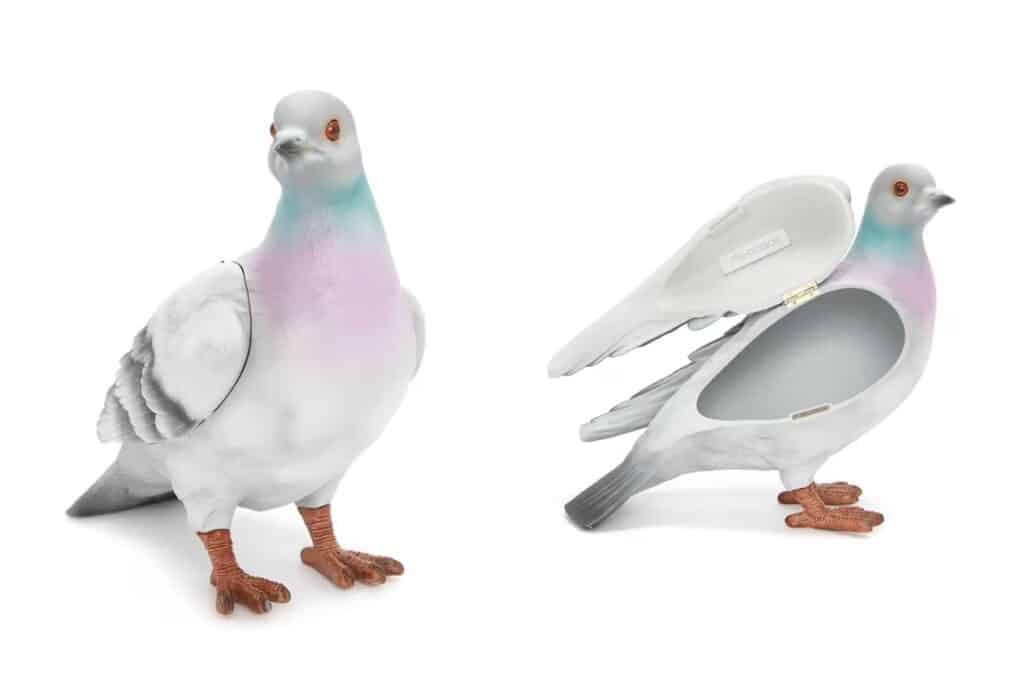
Recent examples include handbags shaped like birds, glass purses too fragile for daily use, and accessories inspired by everyday packaging. These pieces function as conversation starters as much as they do fashion items.
The logic is simple: the more unusual the design, the more likely it is to spread across social media platforms.
Luxury brands are aware that a single viral moment can generate millions of views, effectively turning fashion accessories into global marketing campaigns.
Why the backlash?
Despite their popularity among collectors and celebrities, such designs often provoke strong criticism.

Many observers see them as symbols of economic disconnect. In a time when rising living costs dominate public discussion, an accessory that resembles a garbage bag yet costs nearly $2,000 can appear tone-deaf.
Online critics have even coined terms like «poverty chic» to describe the trend, suggesting that wealthy consumers are turning everyday struggles into ironic fashion statements.

Yet the paradox remains: despite the criticism, many of these items sell out quickly.
Status beyond practicality
For the ultra-wealthy buyers targeted by luxury brands, the appeal may lie precisely in the absurdity. Carrying an object that looks inexpensive but costs thousands of dollars sends a subtle message of exclusivity.

In other words, the product is less about the bag itself and more about the cultural signal it sends.
It reflects a form of «ironic luxury», a way of displaying status without relying on traditional symbols like gold, diamonds or visible logos.
A glimpse of fashion’s future
Whether seen as artistic commentary or clever marketing, the phenomenon surrounding Zhang Jingyi’s red-carpet accessory illustrates how dramatically fashion culture has evolved.

In the past, luxury fashion emphasised craftsmanship and beauty. Today, it increasingly thrives on provocation, irony and viral attention.
If the reaction to the so-called «trash bag» is any indication, the next generation of luxury items may look even more like everyday objects — only with a far higher price tag.
And in an era where attention is the most valuable currency, the difference between a piece of garbage and a fashion statement may simply depend on the label attached to it.