Large parts of Cuba were left without electricity on Tuesday following a major blackout, the third in four months, highlighting the island’s worsening energy shortages and economic strain.
Authorities said power was gradually being restored to hospitals and parts of the country, but warned the fragile grid could fail again. Cuba’s aging electricity system has deteriorated in recent years, leading to frequent outages and large-scale disruptions.
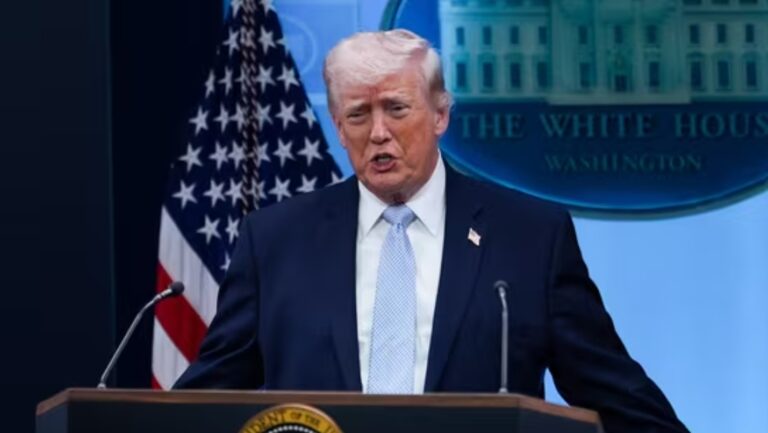
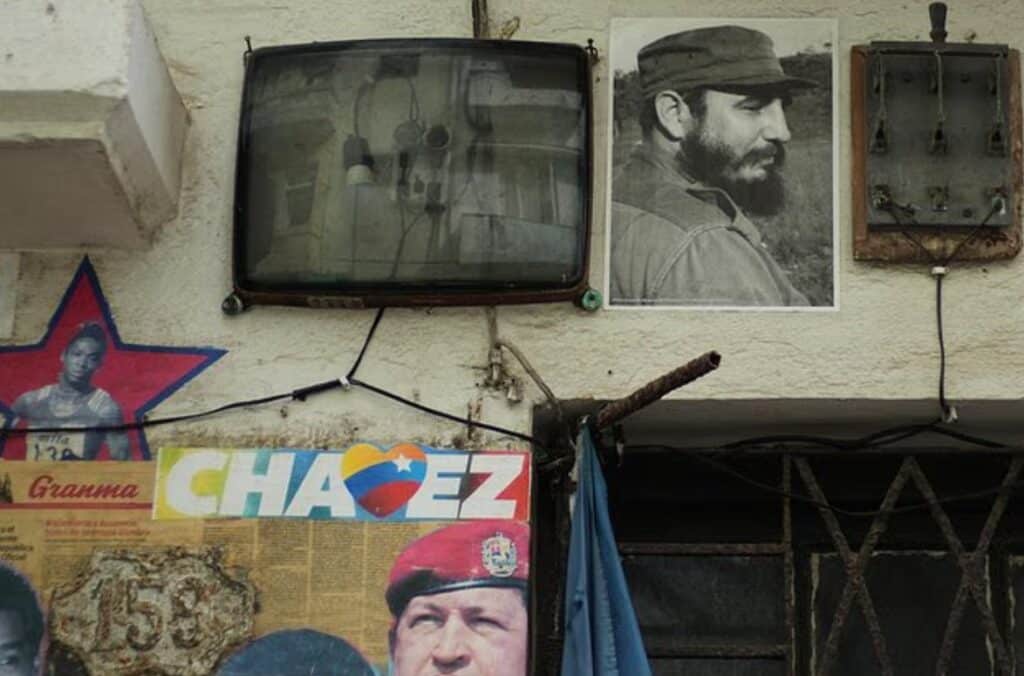
The government has blamed the crisis on U.S. pressure, including warnings from Donald Trump about tariffs on countries supplying oil to Cuba. Reduced fuel imports, including disruptions from Venezuela, have further strained the island’s ability to generate power.
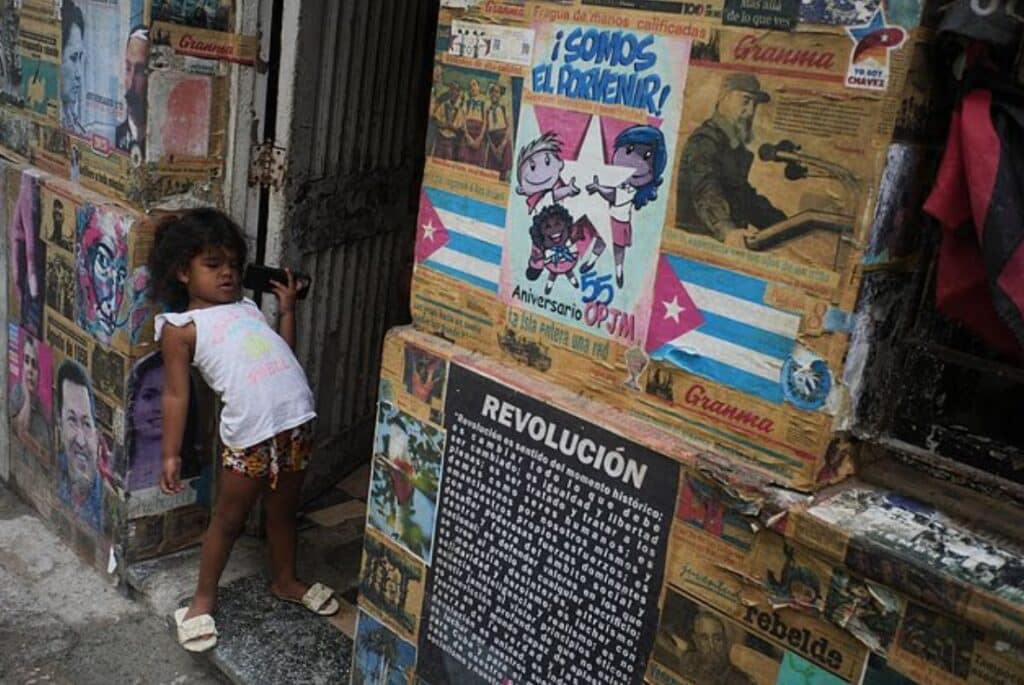
Speaking in Washington, U.S. Secretary of State Marco Rubio said Cuba’s economic system «doesn’t work» and called for significant political and economic change, arguing current reforms are insufficient.
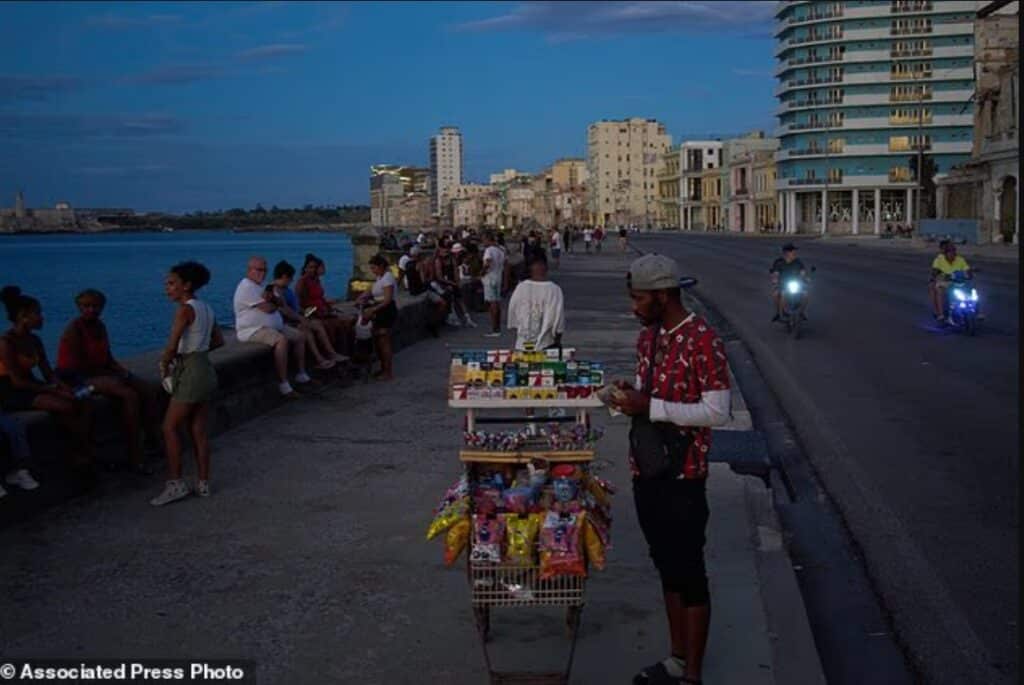
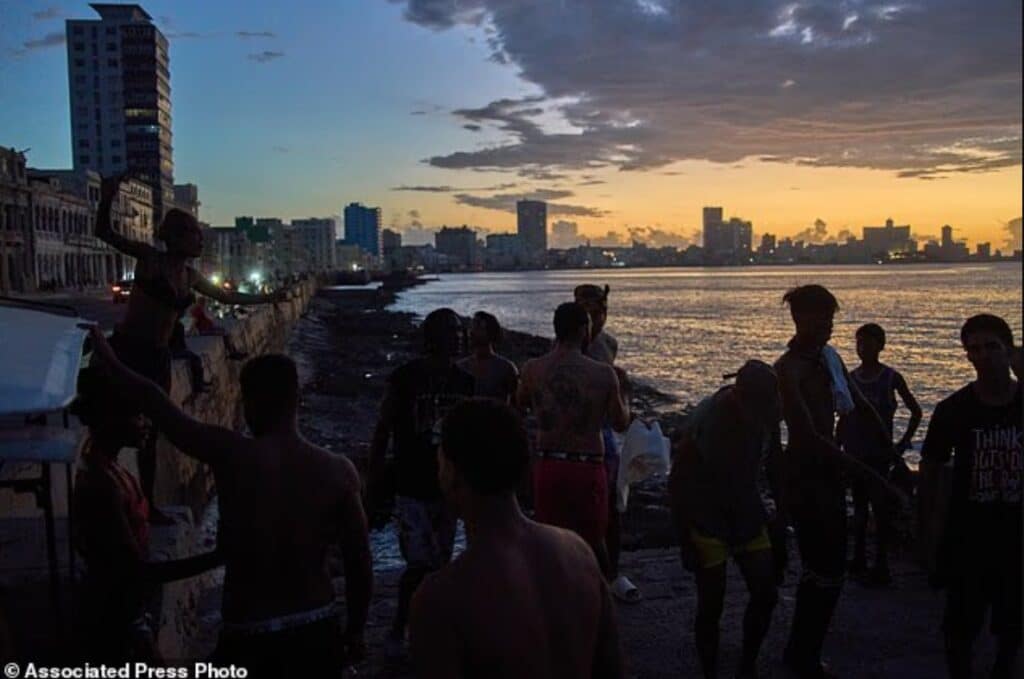
Meanwhile, officials in Havana said only a small portion of residents had regained electricity as crews worked to restart thermoelectric plants. State media reported that roughly 5% of the capital had power by late Monday.
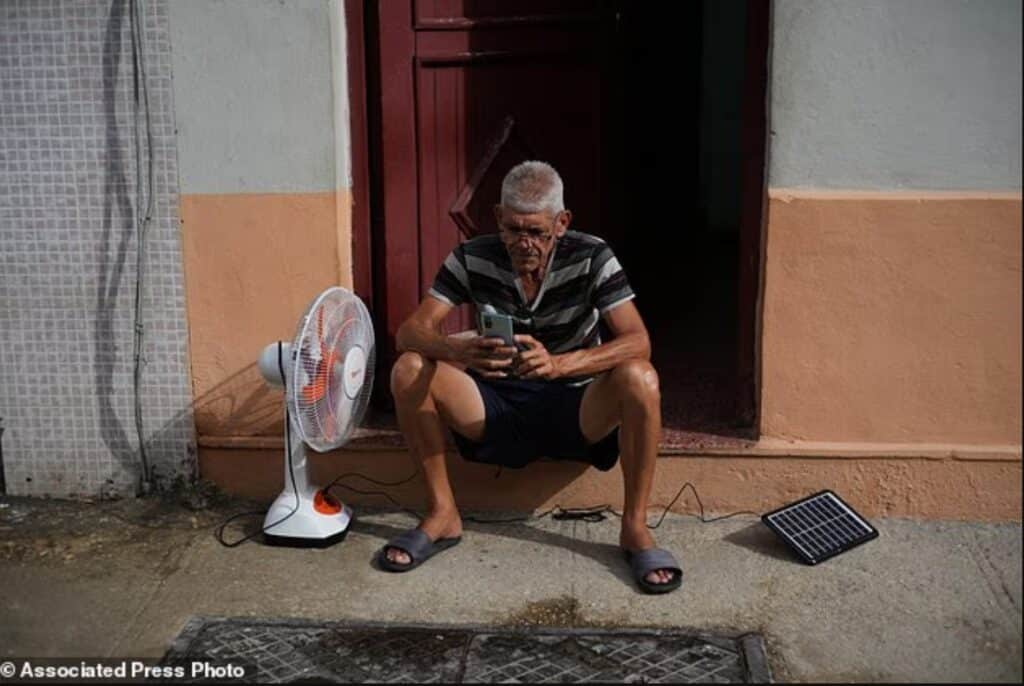
Residents described worsening living conditions as outages disrupt daily life, spoil food supplies and create safety risks. The national grid operator said the blackout followed a «complete disconnection» of the system.
Cuba produces part of its own energy, but declining infrastructure and fuel shortages have left supply unable to meet demand — deepening the country’s broader economic crisis.