Global Growth Holds Steady as Risks Rise, EDB Reports

The global economy continues to expand in early 2026, driven largely by strong performance in Asian countries, according to the latest macroeconomic review by the Eurasian Development Bank (EDB).
Global GDP grew by 3.3% in 2025, supported by emerging markets, particularly in Asia. China and India remained key growth engines, while economic activity in the eurozone showed signs of recovery. At the same time, the US economy began to slow, with growth expected to ease further in 2026.
Inflation in the U.S. and eurozone declined in 2025, prompting central banks to gradually ease monetary policy. However, this trend may reverse amid rising geopolitical risks.
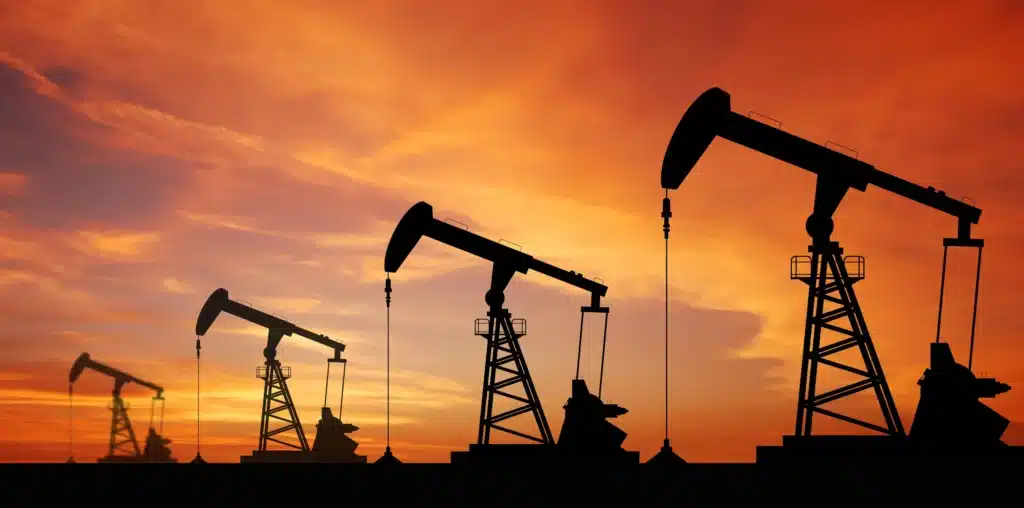
A major new concern is escalating tensions in the Middle East, which have disrupted energy supplies. The suspension of transit through the Strait of Hormuz, a key route for global oil and gas, has pushed oil prices up by around 30% and gas prices by over 50% in March.
Analysts warn that higher energy costs could accelerate global inflation and slow economic growth by up to 0.5 percentage points in 2026. Central banks may be forced to keep interest rates higher for longer.
Despite external risks, economies in Central Asia continue to show strong growth, supported by domestic demand and investment. The region recorded average growth of around 7% in 2025, significantly above the global average.
The report concludes that while global economic activity remains resilient, rising geopolitical tensions, volatile energy markets and trade uncertainty pose increasing challenges for the year ahead.
From economics and politics to business, technology and culture, Kursiv Uzbekistan brings you key news and in-depth analysis from Uzbekistan and around the world. To stay up to date and get the latest stories in real time, follow our Telegram channel.