Central Europe Tightens Migration Policies as Austria Eyes Deal with Uzbekistan

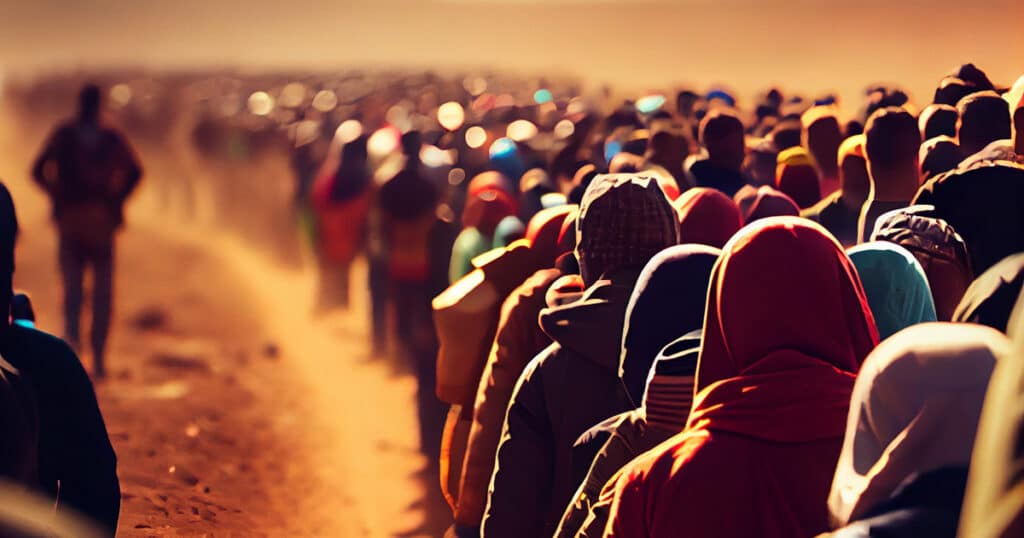
Several Central European countries are advancing stricter migration and border policies, with Austria opening talks with Uzbekistan while Germany, Poland and others move to tighten asylum and security measures.
Austria has approved the start of negotiations with Uzbekistan on a migration agreement aimed at facilitating deportations of rejected asylum seekers, including third-country nationals transiting through the Central Asian state. The deal is also expected to include schemes for skilled workers, students and researchers. Foreign Minister Beate Meinl-Reisinger said the move would help enforce «orderly migration» and uphold the rule of law.
In the Czech Republic, the government is preparing controversial legislation that would impose stricter reporting requirements on NGOs with foreign ties. Critics say the proposal resembles laws used in authoritarian states, warning it could shrink civic space and undermine democratic institutions.
Germany’s Interior Ministry, meanwhile, announced plans to end state funding for independent legal counselling for asylum seekers starting in 2027. The decision has drawn backlash from coalition partners and civil society groups, who argue such services are essential for fair asylum procedures, particularly as EU migration rules become more complex.
Poland is set to begin construction of a new four-metre-high fence along parts of its border with Belarus, as part of ongoing efforts to curb irregular migration. Authorities say the barrier will enhance response times for border forces and build on existing infrastructure.
In Switzerland, the government has rejected a proposal backed by the right-wing Swiss People’s Party to cap the population at 10 million. Officials warned the measure could harm economic stability, strain relations with the European Union, and weaken the country’s humanitarian commitments ahead of a planned referendum in June.
The developments reflect a broader regional trend toward tighter migration controls and heightened political debate over asylum, border security and international cooperation.
From economics and politics to business, technology and culture, Kursiv Uzbekistan brings you key news and in-depth analysis from Uzbekistan and around the world. To stay up to date and get the latest stories in real time, follow our Telegram channel.