
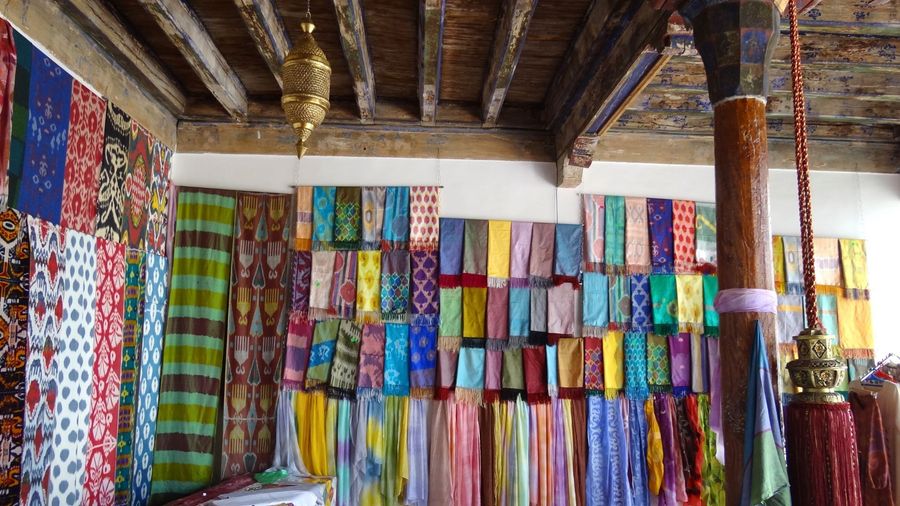
Uzbekistan’s rich textile traditions are offering travellers a deeper insight into the country’s history, culture and identity, with fabrics such as silk, ikat and suzani serving as living links to its Silk Road past.
Across cities like Bukhara and Tashkent, textiles remain a visible and meaningful part of everyday life, from bazaars and museums to homes and workshops. Experts say these fabrics carry cultural codes, reflecting social status, regional identity and centuries-old traditions.
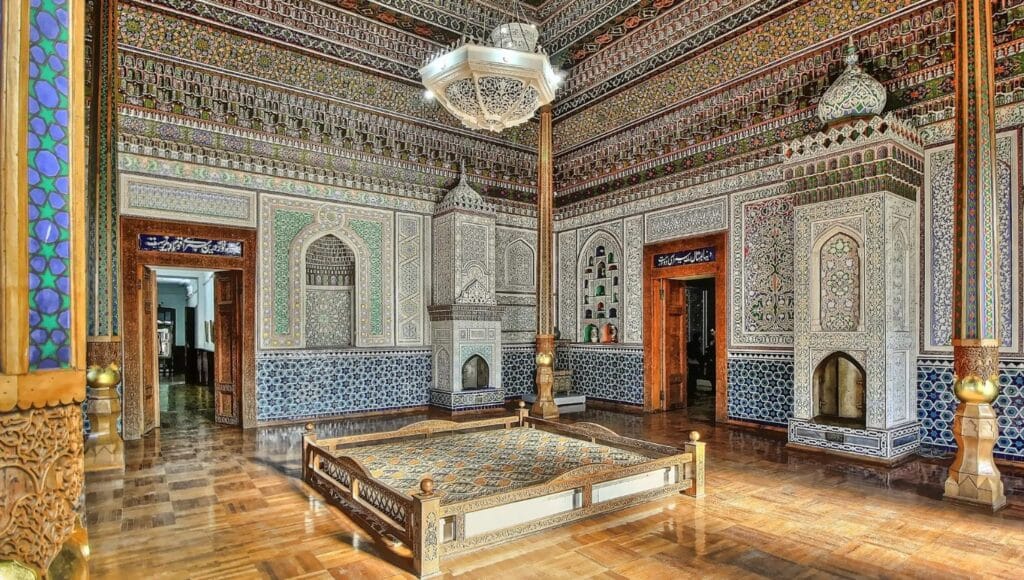
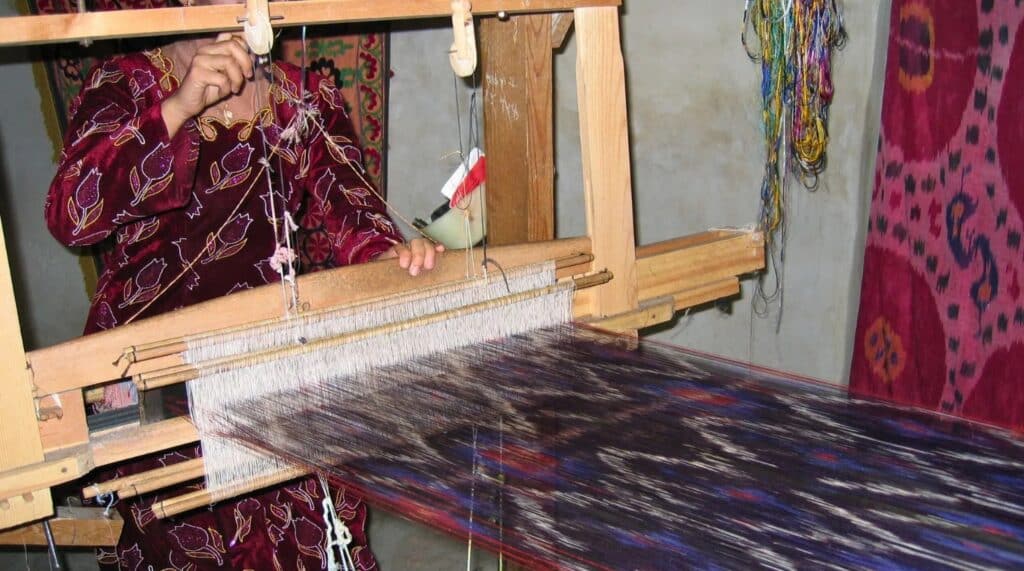
Silk production, particularly in the Fergana Valley, has long been central to Uzbekistan’s heritage. Historically, silk from the region was highly prized and widely traded along the Silk Road. Women have traditionally played a key role in the process, from raising silkworms to dyeing threads and weaving fabrics such as ikat and adras.
Museums such as the Museum of Applied Arts showcase how textiles were used not only for decoration but also as markers of identity. Garments and household items often indicated age, marital status and social standing, highlighting their importance beyond aesthetics.
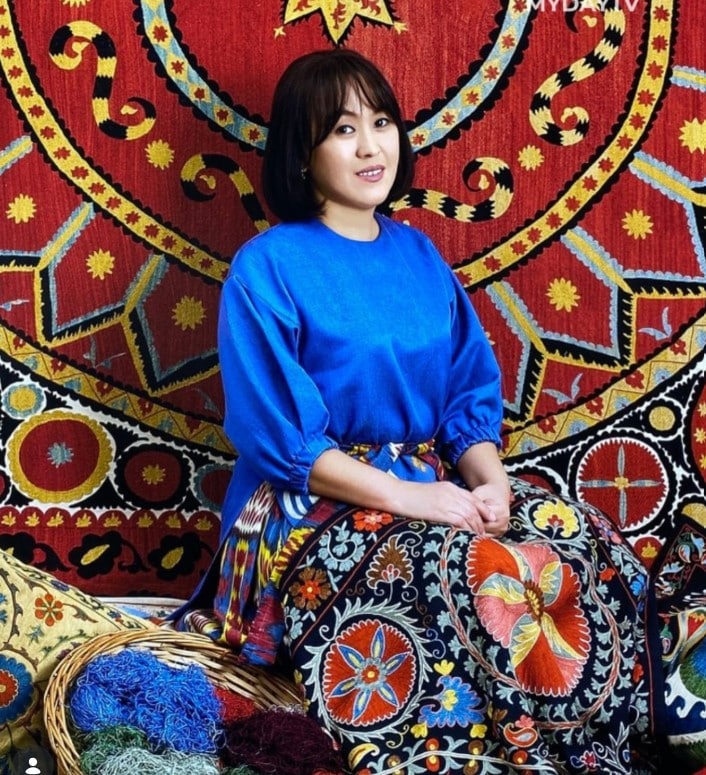
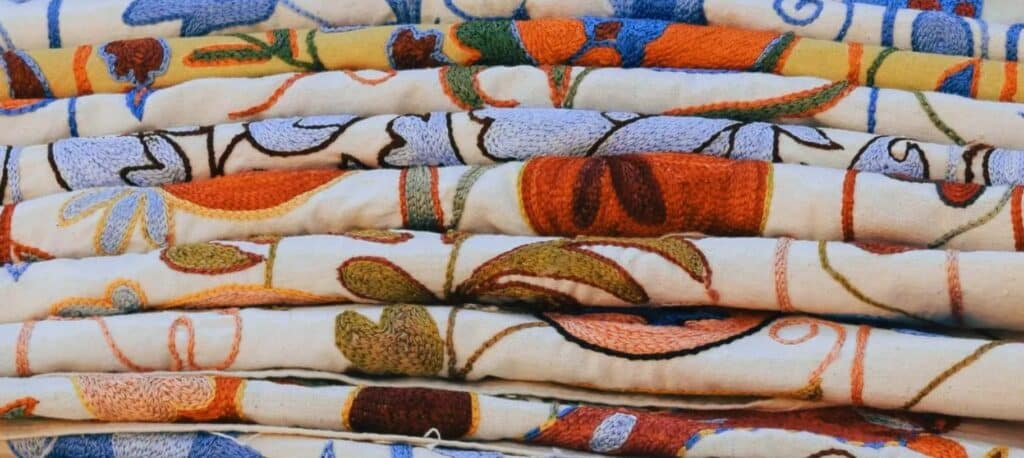
Suzani embroidery, one of Uzbekistan’s most iconic crafts, continues to be preserved by artisans today. Traditionally created as part of a bride’s dowry, these intricate textiles feature symbolic patterns such as pomegranates, suns and the «Tree of Life,» reflecting themes of fertility, protection and continuity.
In workshops and craft centres, artisans—many of them women—are keeping these traditions alive while adapting them for modern audiences. Meanwhile, ikat fabrics, known for their blurred geometric patterns and natural dyes, remain popular in both traditional clothing and contemporary design.
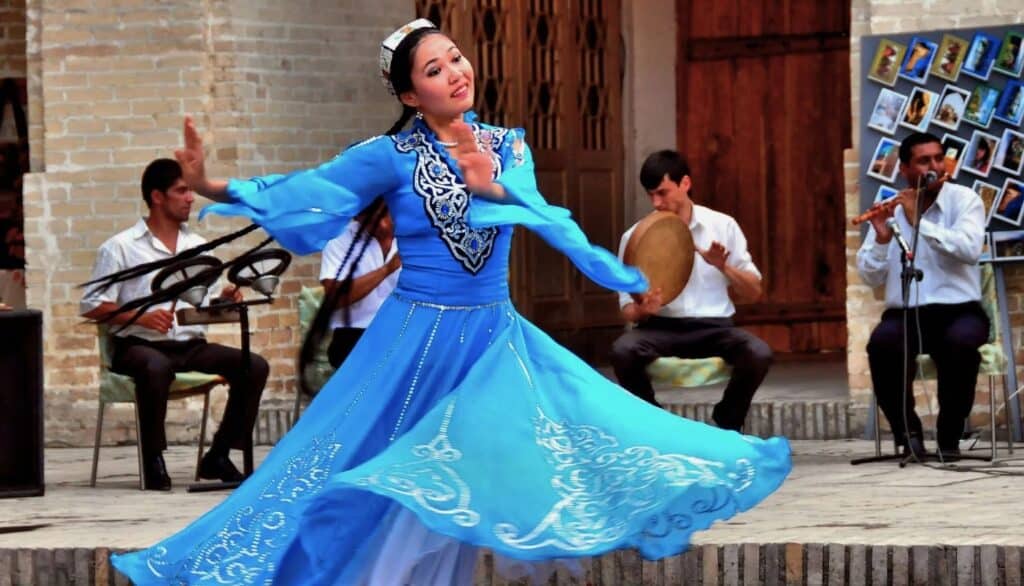
Cultural performances and fashion shows in historic venues are also helping to bring Uzbek textiles to wider audiences, blending heritage with modern expression.
As Uzbekistan promotes its cultural tourism sector, officials and experts say preserving and supporting traditional crafts will remain key. Initiatives such as craft schools, exhibitions and international events are helping ensure that textile-making skills continue to be passed down to future generations.
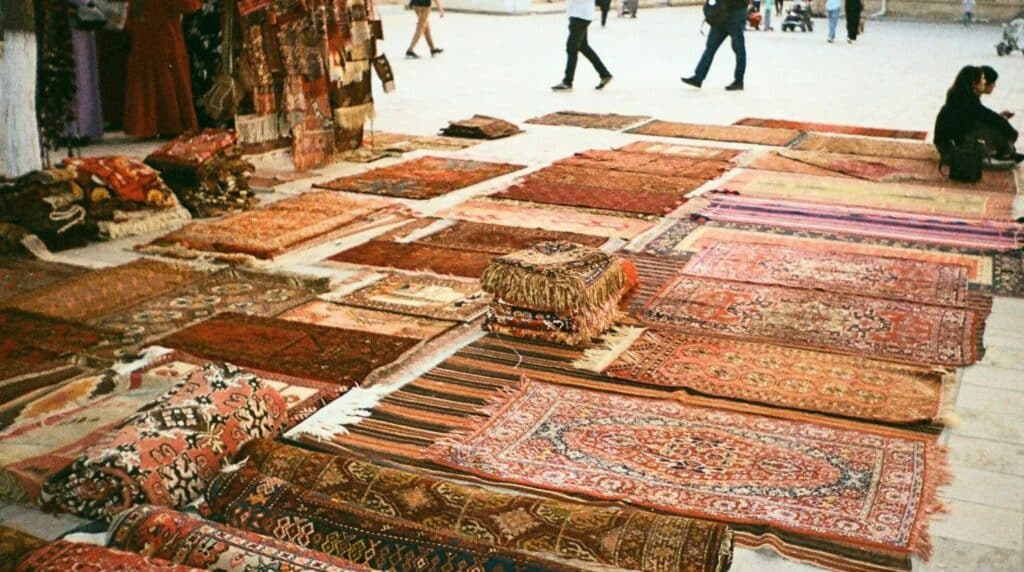
For visitors, engaging directly with artisans and purchasing handmade products is increasingly seen as a way to support this living heritage while gaining a deeper understanding of one of Central Asia’s most distinctive cultural traditions.
From economics and politics to business, technology and culture, Kursiv Uzbekistan brings you key news and in-depth analysis from Uzbekistan and around the world. To stay up to date and get the latest stories in real time, follow our Telegram channel.