Iran fired several waves of missiles at Israel, the Israeli military said, following U.S. President Donald Trump’s decision to delay plans to bomb Iran’s power grid after what he described as productive talks with Tehran.
Air raid sirens sounded across parts of Israel, including Tel Aviv, as missile interceptions caused explosions. Debris from one interception damaged homes in northern Israel, but no fatalities were reported.
Trump said on Truth Social that the United States and Iran had held «very good and productive» discussions aimed at a «complete and total resolution of hostilities in the Middle East,» prompting a five-day postponement of the threat to strike Iran’s energy infrastructure. Oil prices fell below $100 a barrel and global stock markets rallied.
Conflicting statements
Iranian parliament speaker Mohammad Baqer Qalibaf later denied any negotiations, calling claims of talks «fakenews» used to manipulate markets. The Revolutionary Guards also described Trump’s comments as «psychological operations» with no effect on Tehran’s stance.
Despite Monday’s market gains, investors faced uncertainty as messages from Washington and Tehran conflicted. Brent crude rose to $104.21 per barrel while U.S. crude climbed to $91.93, reversing some of Monday’s sharp declines.
Regional diplomacy
Trump said special envoy Steve Witkoff and son-in-law Jared Kushner had met a top Iranian official and would continue discussions, claiming «major points of agreement.» European and Pakistani sources indicated that direct talks could take place in Islamabad this week.
Israeli Prime Minister Benjamin Netanyahu confirmed discussions with Trump and said Israel would continue strikes in Lebanon and Iran while exploring a possible deal to safeguard strategic interests.
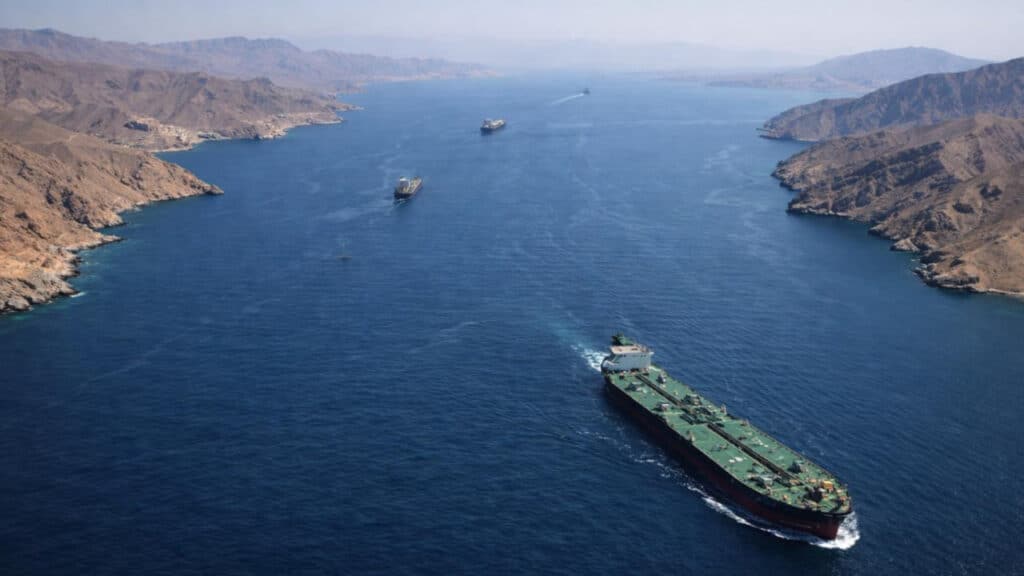
Iranian officials held separate consultations with Oman and Pakistan to discuss tensions in the Strait of Hormuz, which remains effectively closed. More than 2,000 people have died since the February 28 conflict began, and Iran has threatened to target U.S. allies in the region if its energy infrastructure is attacked, raising fears of prolonged disruption to global oil supplies.
From economics and politics to business, technology and culture, Kursiv Uzbekistan brings you key news and in-depth analysis from Uzbekistan and around the world. To stay up to date and get the latest stories in real time, follow our Telegram channel