
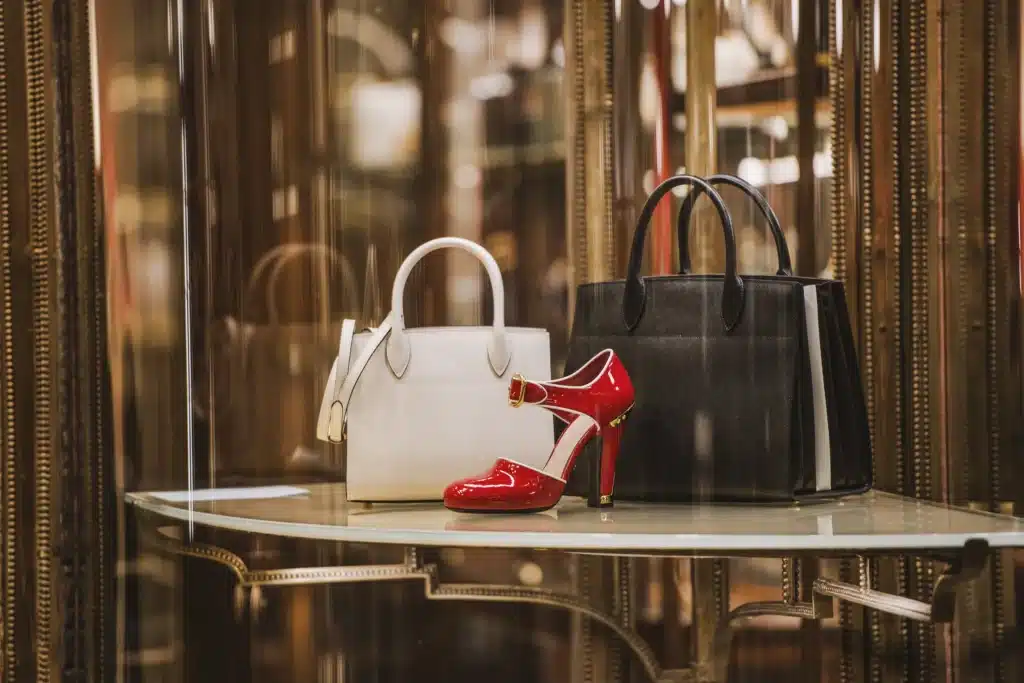
The global luxury goods market is officially transitioning from a period of rapid acceleration into a state of measured normalization.
According to Kearney’s 2026 Global Luxury Industry Outlook, the industry is projected to see a modest 2% to 4% growth this year, stabilizing at approximately $530 bn. Rather than relying on scale and speed, 2026 will require brands to actively earn their relevance through creative clarity and consumer engagement.
The shifting geographic landscape
While the traditional «big three» heavyweights — the United States, Europe, and China — continue to provide crucial scale and anchor global demand, they are no longer the primary engines of explosive growth. China, specifically, is settling into a cautious, value-aware «new normal,» with projections indicating low- to mid-single-digit growth as consumer spending remains polarized.
Instead, a differentiated upside is emerging from «standout» markets:
- Southeast Asia: Rapidly becoming a structural growth corridor, driven by a longstanding base of high-net-worth individuals and a rising cohort of young, high-income professionals.
- Japan: Shifting away from foreign exchange-driven arbitrage, Japanese market growth is now relying on sustained visitor flows and resilient domestic consumption.
- The Middle East: Despite geopolitical uncertainties, wealth migration and massive retail and hospitality investments in Gulf Cooperation Council (GCC) markets like Dubai and Riyadh maintain the region’s strong luxury momentum.
The consumer pivot to «quiet» value
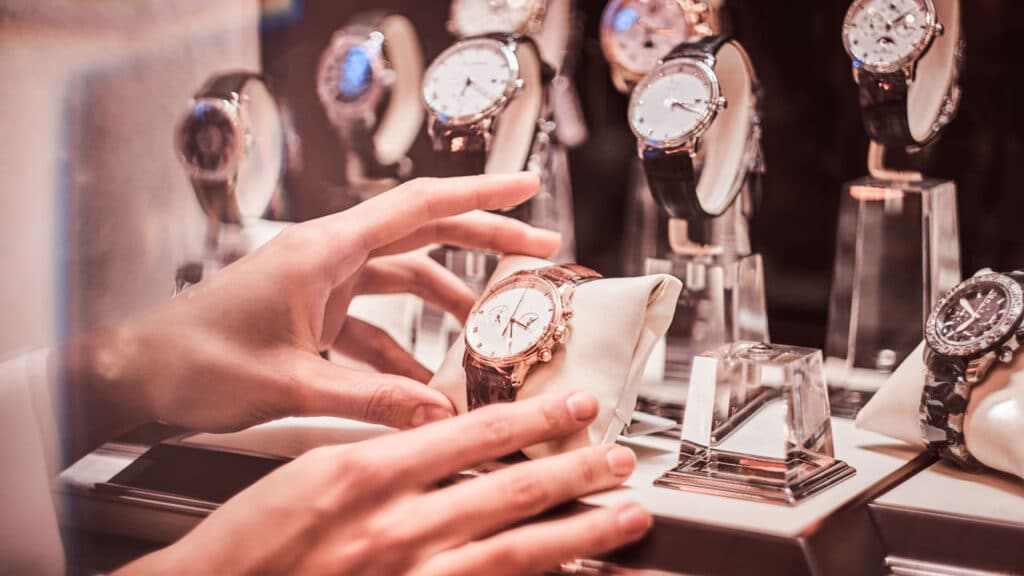
Faced with compounding price increases, such as handbag prices rising by as much as 10% in recent cycles, the aspirational luxury consumer is pulling back, fundamentally reevaluating the value equation.
Consumer data reveals a decisive split in aesthetic preferences, moving away from flashy trend-chasing. Today, 50% of surveyed consumers prefer «quiet,» less branded items, and 63% gravitate toward timeless pieces over statement items. Quality and craftsmanship are now the primary definition of luxury for 63% of buyers.
This demand for demonstrable value means emotionally resonant and «justifiable» categories are significantly outperforming highly discretionary items. Jewelry, for example, saw 6% to 14% growth due to its perceived intrinsic value and longevity.
Meanwhile, experiential luxury continues to accelerate, with hotels and fine dining projected to grow at an 8% compound annual growth rate (CAGR) through 2028. By contrast, ready-to-wear apparel and footwear experienced declines of 5% to 7% last year.
A year of creative and technological resets
To navigate this increasingly selective consumer base, luxury houses are undertaking massive internal recalibrations. In 2025 alone, the industry witnessed 11 major creative director changes, three times the historical average, signaling a deliberate push to reinvigorate brand narratives and product directions.
Simultaneously, technology is altering the competitive balance. Artificial Intelligence is moving rapidly from an experimental novelty to core infrastructure. As intelligent systems increasingly shape how consumers discover and filter purchases, brand visibility in 2026 will be earned through data integrity and trust, rather than brand heat alone.
From economics and politics to business, technology and culture, Kursiv Uzbekistan brings you key news and in-depth analysis from Uzbekistan and around the world. To stay up to date and get the latest stories in real time, follow our Telegram channel.