Uzbekistan Boosts Efforts to Improve Care for Confiscated Wildlife

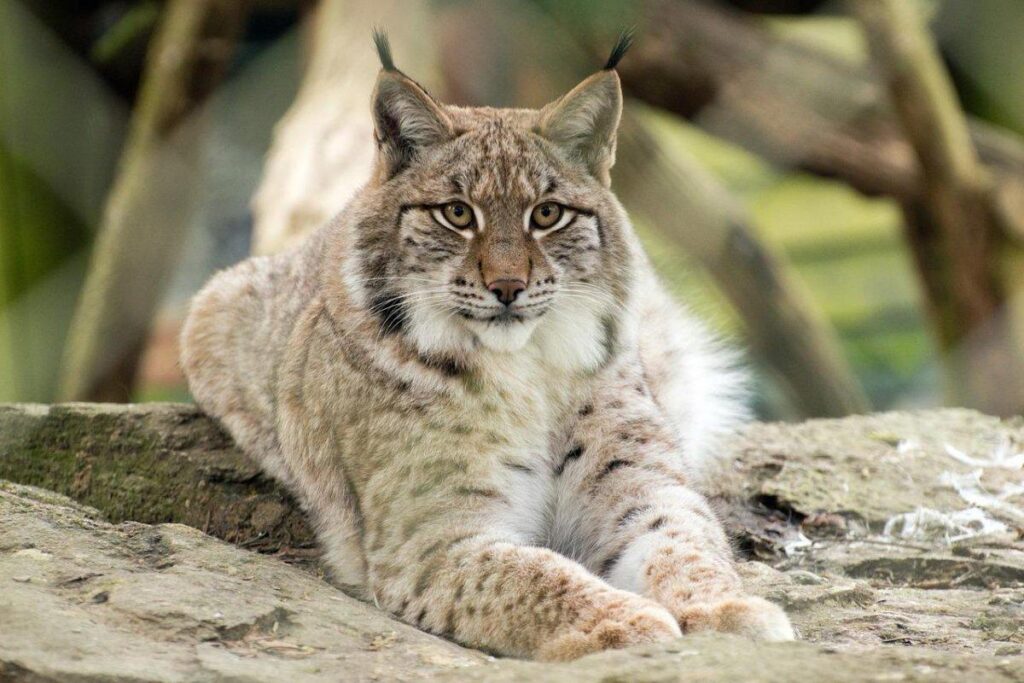
Wildlife experts and government officials in Tashkent have taken new steps to strengthen the care of animals rescued from illegal trafficking, following a specialised training held in February.
The two-day workshop was organised by the International Fund for Animal Welfare in partnership with the Institute of Zoology of the Academy of Sciences of Uzbekistan under the CARE (Confiscated Animals Rescue and Enforcement) program.
Participants included representatives from the Tashkent Zoo, the National Committee for Ecology and Climate Change, and other key institutions involved in handling trafficked wildlife. The training focused on improving frontline response, equipping specialists with skills in species identification, animal health assessment, safe handling and evidence management.
Officials highlighted that animals intercepted at borders often arrive in poor condition, requiring urgent and professional care. The workshop also addressed risks such as zoonotic disease transmission and emphasized the importance of proper procedures to protect both animals and enforcement officers.
A major focus of the discussions was what happens after confiscation. Experts pointed to gaps in infrastructure and legislation, particularly regarding the care and legal status of animals before court decisions are made.
As a result, participants called for the creation of a national wildlife rehabilitation center near Tashkent International Airport to provide veterinary care, temporary housing, and legal support for seized animals. They also stressed the need to expand regional rehabilitation facilities and strengthen the capacity of the Tashkent Zoo.
The initiative reflects Uzbekistan’s growing efforts to combat wildlife trafficking and improve outcomes for rescued animals through stronger coordination between scientists, veterinarians, and law enforcement agencies.
From economics and politics to business, technology and culture, Kursiv Uzbekistan brings you key news and in-depth analysis from Uzbekistan and around the world. To stay up to date and get the latest stories in real time, follow our Telegram channel.