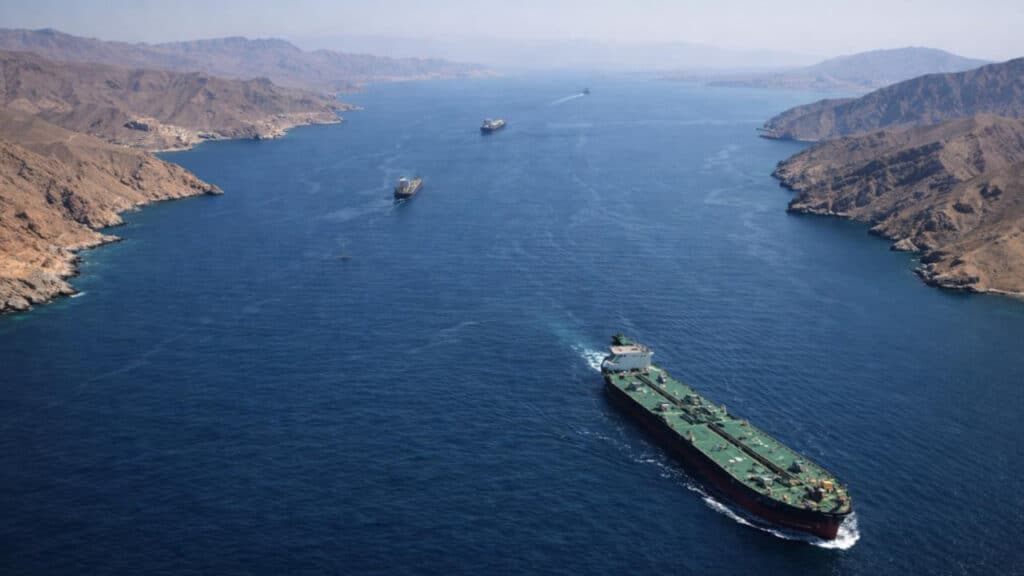
The ongoing conflict in the Middle East could reduce economic growth in developing Asia and the Pacific by up to 1.3 percentage points in 2026–2027, while pushing inflation up by 3.2 points if energy disruptions persist for more than a year, according to the Asian Development Bank (ADB).
The bank said the impact would be felt through higher energy prices, disrupted supply chains and trade, and tighter financial conditions. Tourism and remittance flows may also be affected.
Growth Risks and Inflation Pressures
An ADB briefing outlines several scenarios, noting that the scale of the impact will depend largely on how long disruptions last. Short-term shocks would ease relatively quickly, while prolonged instability could lead to deeper and more lasting economic strain.
The most severe growth impacts are expected in Southeast Asia and Pacific economies, while inflation could rise most sharply in South Asia. The bank cautioned that uncertainty remains high and outcomes will depend on how the conflict evolves.
Policy Response Measures
ADB Chief Economist Albert Park said prolonged energy shocks could force governments to balance slowing growth with rising prices. He urged policymakers to focus on stabilising markets and protecting vulnerable groups while strengthening long-term resilience.
The report recommends allowing some energy price increases to pass through to encourage efficiency and investment in alternatives, rather than imposing broad subsidies or price controls. It also calls for targeted and temporary fiscal support for households and affected industries.
Central banks are advised to manage market volatility carefully while monitoring inflation expectations, avoiding overly aggressive tightening that could harm growth. Governments are also encouraged to reduce energy demand through practical steps such as limiting air conditioning use, promoting public transport and introducing energy-saving measures.
Founded in 1966, the ADB is a multilateral development bank with 69 members, supporting sustainable and inclusive growth across Asia and the Pacific.
From economics and politics to business, technology and culture, Kursiv Uzbekistan brings you key news and in-depth analysis from Uzbekistan and around the world. To stay up to date and get the latest stories in real time, follow our Telegram channel.