Yemen’s Iran-aligned Houthi movement launched missiles at Israel on Saturday, marking its first such strike since the outbreak of the Iran war and raising concerns the conflict could spread further across the region. The group said it would continue its operations until what it described as aggression on multiple fronts comes to an end.
U.S. Secretary of State Marco Rubio said earlier that Washington expected military operations to conclude within weeks, though there was little sign of a diplomatic breakthrough. Iran’s President Masoud Pezeshkian held talks with Pakistan’s Prime Minister Shehbaz Sharif ahead of regional discussions involving Turkey and Saudi Arabia aimed at easing tensions.
Fighting Intensifies Across the Region
The war, now in its fifth week following U.S. and Israeli strikes on Iran on February 28, has expanded across the Middle East, killing thousands and causing major disruption to global energy markets.
Israel said it carried out fresh strikes on Tehran targeting government infrastructure, while Iran responded with attacks including a strike on an air base in Saudi Arabia that injured US personnel.
The Houthis’ involvement adds a new layer of risk, particularly for global shipping. The group has previously demonstrated its ability to strike targets far beyond Yemen and disrupt key maritime routes in the Red Sea and Arabian Peninsula. A potential escalation around the Bab al-Mandab Strait could further affect trade flows towards the Suez Canal.
Economic Impact and Political Pressure
The conflict has already shaken global markets. Oil prices have surged sharply, with Brent crude rising above $112 a barrel, while stock markets have fallen amid fears of a prolonged war. Rising fuel costs have added pressure on consumers, particularly in the United States.
With midterm elections approaching, the conflict is weighing on the U.S. administration. President Donald Trump has pushed for allied support to secure shipping routes, criticising NATO partners for what he described as limited involvement.
Risk of Further Escalation
Washington has deployed additional forces to the region, including Marines and airborne troops, though officials say ground operations may not be necessary. Trump has warned of strikes on Iranian energy infrastructure if Tehran does not reopen the Strait of Hormuz, while extending a deadline for a response.
Iran has warned it will respond forcefully to any attacks on its infrastructure. Regional actors including Pakistan, Egypt and Turkey are attempting to mediate, though prospects for direct negotiations remain uncertain.
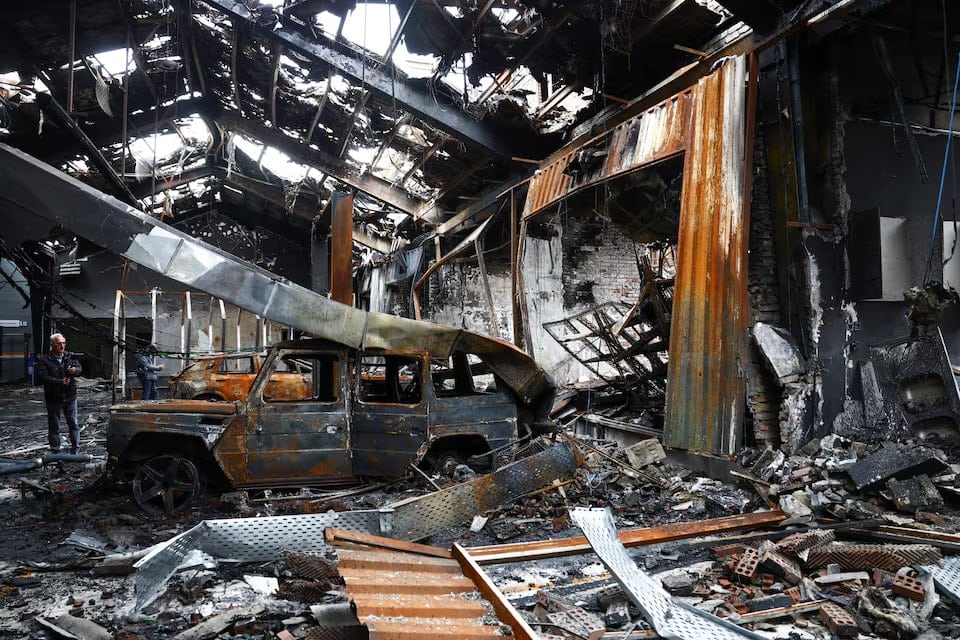
Further attacks were reported across the Gulf, with missile and drone strikes affecting the United Arab Emirates, Bahrain and Kuwait. Civilian casualties were also reported in Iran following strikes on residential areas and infrastructure.
As tensions continue to rise, the risk of a broader regional conflict remains high, with potential consequences for global trade, energy supplies and geopolitical stability.
From economics and politics to business, technology and culture, Kursiv Uzbekistan brings you key news and in-depth analysis from Uzbekistan and around the world. To stay up to date and get the latest stories in real time, follow our Telegram channel.