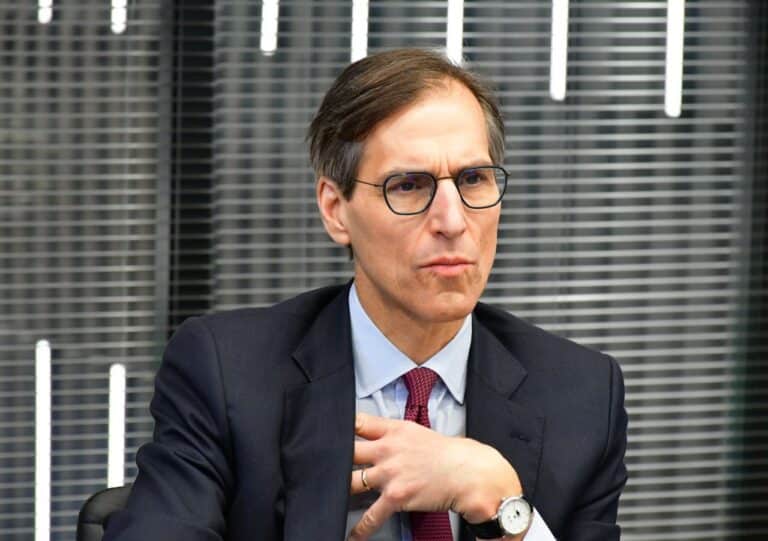


Presidential Decree No. UP-254 marks a new era for Uzbekistan’s financial infrastructure. By making the “Regulatory Sandbox” permanent and introducing modern instruments like foreign currency-denominated bonds, the government aims to bridge the gap between local businesses and global investors. Scott Osheroff, Chief Investment Officer of the AFC Uzbekistan Fund, breaks down the impact of these legislative changes, explaining why the indefinite extension of the sandbox is the key to unlocking foreign investment and providing the private sector with cheaper, more accessible financing.
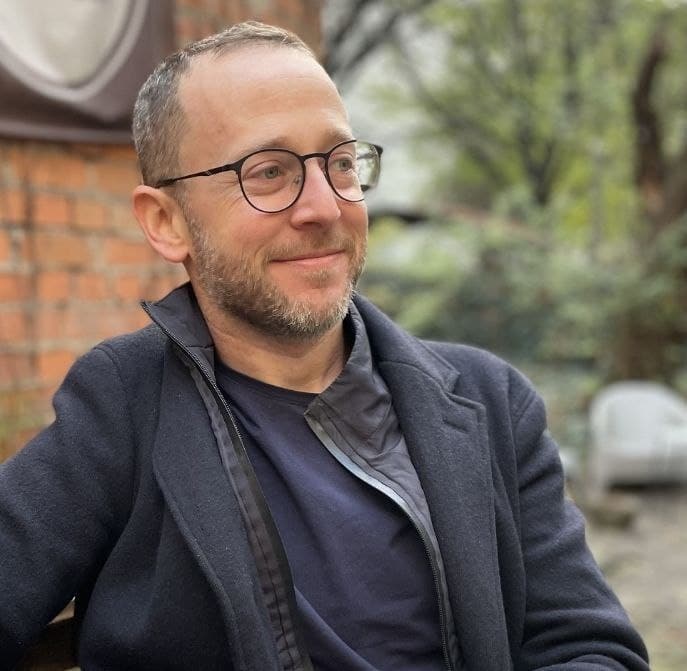
– Scott, looking back at your time in Uzbekistan, what are the most significant changes you’ve seen over the last five years, and in your opinion, what are the main challenges that still remain unresolved?
– The most striking change, which has also become a major problem, is the traffic. To see the amount of cars on the road go up by several hundred percent since the pandemic has been truly amazing. This was driven by a massive consumer credit boom that fuelled a real estate surge and high demand for automobiles, white goods, appliances and electronics.
Uzbekistan has transformed from a closed economy to an open one in just half a decade. The pace of this shift in consumption has been transformational and felt like it happened overnight.
As for the unresolved challenges, the capital markets have languished for a while because a major piece of drafted legislation stalled a few years ago. However, the past 12 months have seen a huge transition with the emergence of a relatively functional corporate bond market. We are now seeing the regulatory sandbox being made permanent, which is a key stepping stone.
– The new decree allows companies to issue corporate bonds in foreign currency. Do you see this as a dollarization risk, or is it a vital step to attract capital?”
– I think it is a good start. When I first arrived in Uzbekistan in 2018, people thought I was crazy for predicting that the soum would not depreciate by 20% every year forever. Since Uzbekistan is an exporting nation, there is an incentive for the currency to depreciate slowly, meaning investors often prefer dollars.
However, dollar debt might only offer low single-digit to low double-digit yields. I would personally rather hold soum-denominated debt because you can currently get returns north of 20%. Even factoring in some depreciation, the real return in soum is still better.
This new tool is a great way to kickstart the capital markets and encourage investors to move their capital out of real estate and bank term deposits to fund the private sector. While it would be a problem if all business shifted entirely to the dollar in five years, I do not foresee that happening. Investors are already realising they can get better returns in soum bonds than in bank deposits.
– The decree also permits issuing unsecured bonds exceeding a company’s equity. Do you think this might trigger a wave of defaults in the future, or are the current rating requirements enough to prevent it?”
– No, I do not think there is an issue. The real challenge is that investors need to actually understand the companies they are investing in. An unsecured bond will naturally carry a higher interest rate, but investors should look beyond that number and carefully examine the company and its financials.
If an investor does not understand the financials, they should not invest simply because of a higher yield, as higher interest rates come with higher perceived risks. It is simply another mechanism to build a fully functioning bond market. Investors just need a degree of financial literacy when dealing with secured or unsecured bonds to avoid scams.
– Regarding the ‘Regulatory Sandbox’ becoming permanent: what specific instruments do you expect to see there first? And how will the ability to trade international securities locally change the behavior of Uzbek investors?”
– I believe the government is trying to mirror Kazakhstan by offering depository receipts for these types of companies. The problem is that while everyone in developing countries wants to own shares in Netflix, Amazon, Google, Microsoft and Tesla, these are not necessarily the best companies to own.
Buying something just because it has gone up over the past ten years is not a sound investment strategy, and many of these tech companies are currently overpriced.
I would actually prefer to see a broader range of foreign companies listed. Focusing solely on the tech sector because it is popular could lead to a misallocation of capital. However, because there is such strong global demand to invest in American tech businesses, local investors will certainly buy them.
– If you had to pick just one provision from Decree No. 254, which one do you consider the biggest ‘breakthrough’ that will yield the most impact by 2030?”
– The permanence of the sandbox is a massive deal because it finally allows foreign brokers and custodians to enter the market. To stimulate private sector growth and create jobs, companies need a cheaper form of financing than the extreme interest rates currently offered by local banks. This cheaper financing needs to come from the capital markets through stocks and bonds.
Currently, there is a huge amount of foreign capital waiting to enter the market, but the lack of an easy entry method and attractive stock or bond offerings has kept it away. The sandbox resolves this chicken-and-egg situation by making it easier for foreign investors to open brokerage accounts.
This provision alone will drive a flow of capital that could easily make the Uzbek capital markets the largest in all of Central Asia, supplanting Kazakhstan, well before 2030.