India Begins World’s Largest Census Since 2011 to Update Population and Housing Data

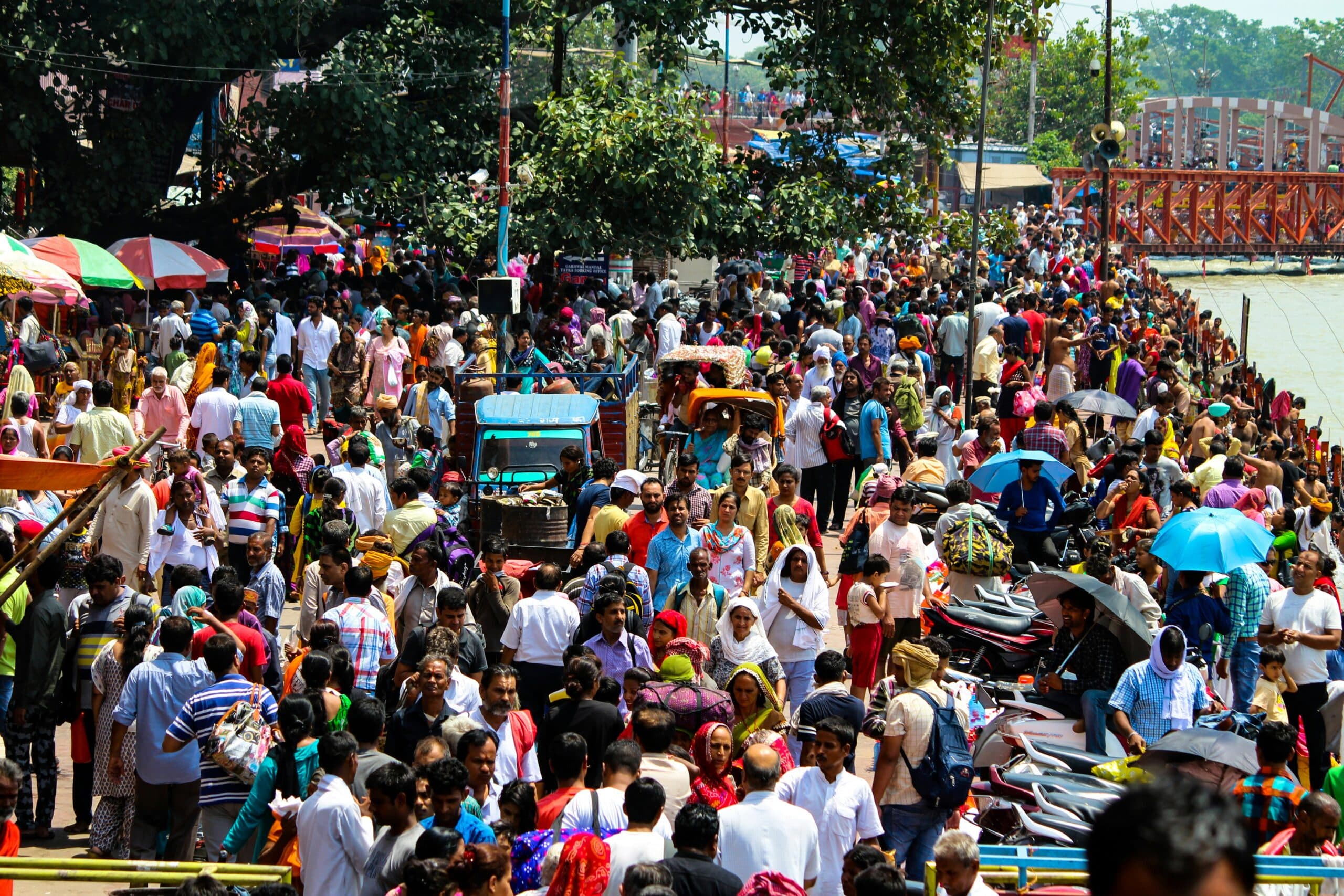
India has begun the largest census in the world, asking over a billion residents 33 questions about housing, household members, education, internet access and more. With a population of more than 1.4 bn people, India overtook China in 2023.
The exercise, the first in over 15 years, will take place in two phases over the next year. More than three mln officials, including schoolteachers and local government staff, will visit households across 36 states and territories, over 9,700 towns and nearly 640,000 villages.
For the first time, India’s census will be largely digital. Enumerators will use mobile apps to collect and upload data, while residents can also enter their details online through a portal available in 16 languages. The system will give each participant a unique ID, helping to verify information and speed up the process.
Two Stages of the Census
The census will take place in two stages. The first stage, called the House Listing and Housing Census, will collect information on homes, facilities and household belongings. The second stage, planned for February 2027, will record personal information such as age, education, migration and fertility. It will also collect details about caste, an important and sensitive aspect of Indian society.
India’s caste system has existed for thousands of years and continues to influence politics, education and employment. Many state institutions provide quotas for lower castes, and numerous caste-based political parties exist. The first phase will start in selected areas including Delhi, Goa, Karnataka, Mizoram, Odisha and the Andaman and Nicobar Islands.
India’s census has grown in scope since its colonial beginnings in 1872, evolving from a simple headcount to an extensive survey of social, economic and living conditions. Modern rounds now include migration histories, employment, fertility patterns, commuting and education. The 2026 census will also recognise couples in live-in relationships who consider themselves married, reflecting shifting social realities.
Policy and Planning Implications
A current population baseline is critical for policymaking. Outdated data has forced India to rely on surveys, which may misrepresent urbanisation, migration and eligibility for welfare programmes. Accurate census data is essential for planning public services, rural job guarantees and urban development, ensuring millions of citizens are properly accounted for.
Recent efforts to create population databases and update electoral rolls have raised public anxiety about census participation, particularly regarding citizenship and inclusion. Experts emphasise that while the census does not determine legal status, it is vital for understanding the country’s demographics and guiding policy decisions.