South Korea Warns of Global Energy Crisis Amid Middle East Tensions

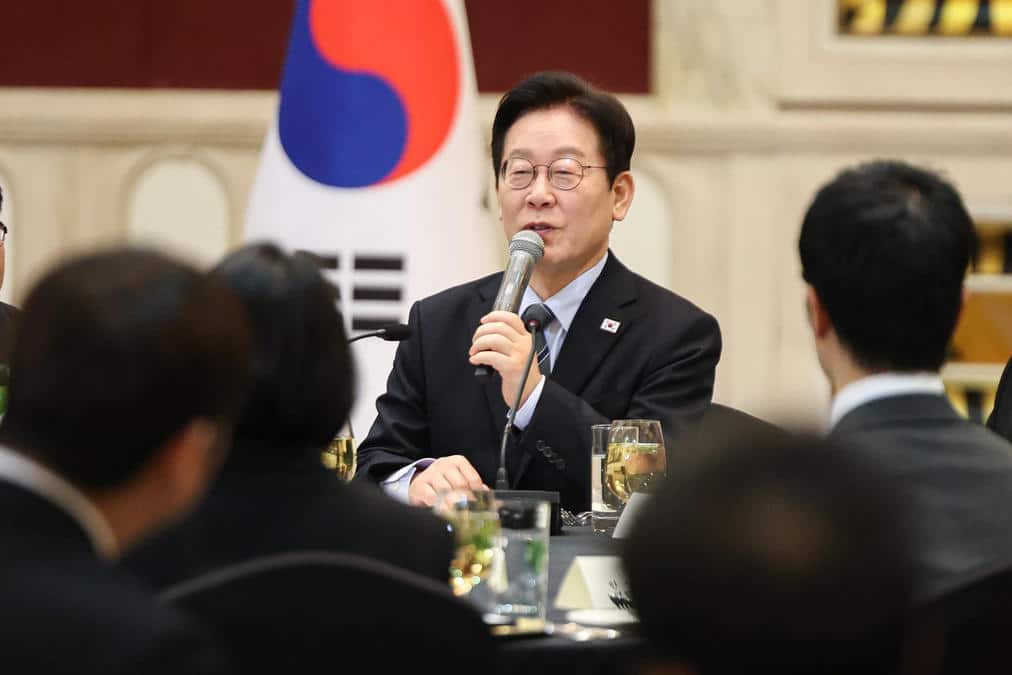
South Korean President Lee Jae Myung has issued a stark warning over a worsening global energy crisis, linking the disruption to escalating conflict involving the United States, Israel and Iran.
Speaking on the situation, Lee said the scale of the crisis is «worse than you think,» citing growing instability in global energy markets and South Korea’s heavy dependence on imported fossil fuels.
The crisis has been intensified by Iran’s closure of the Strait of Hormuz, a critical route for global oil and liquefied natural gas shipments. The move has disrupted supplies worldwide, hitting energy-dependent economies in Asia, including South Korea, Japan and India, particularly hard.
As a result, several countries have temporarily scaled back climate commitments to secure energy supplies. South Korea, Japan and India have all increased their use of coal-fired power plants to meet immediate demand.
Despite this short-term shift, governments in the region are continuing to pursue long-term energy transitions. South Korea is accelerating electric vehicle adoption, while Japan is reconsidering nuclear energy as a way to reduce reliance on Middle Eastern fuel imports.
Lee emphasised the need for a faster transition to renewable energy, warning that ongoing geopolitical tensions could further destabilize global energy systems if structural changes are not made.