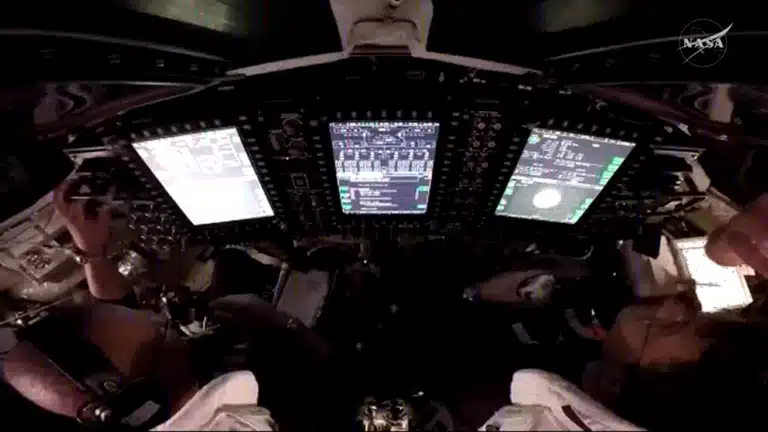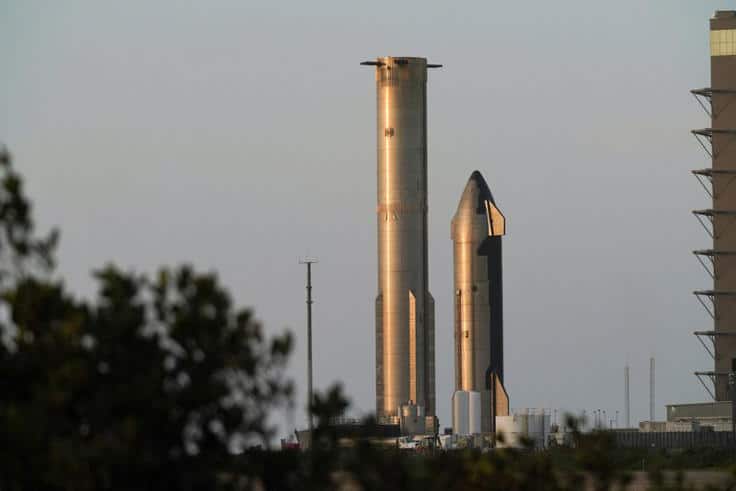
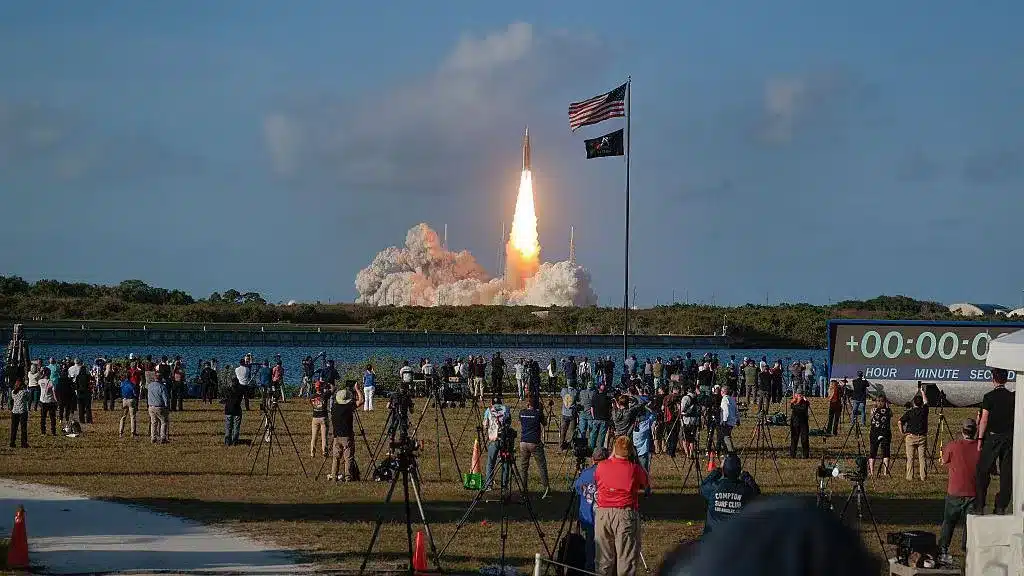
NASA has successfully launched four astronauts on the Artemis II mission. The 32-storey Space Launch System rocket lifted off from Launch Complex 39B at the Kennedy Space Center in Florida at 22:35 UTC on Wednesday, carrying the Orion crew capsule named Integrity into orbit.
The flight represents the first time humans have travelled beyond low Earth orbit since the Apollo 17 mission in 1972. The crew features NASA commander Reid Wiseman, pilot Victor Glover, mission specialist Christina Koch and Canadian Space Agency astronaut Jeremy Hansen.
The roster sets several historic milestones, making Glover the first person of colour to embark on a lunar trajectory, Koch the first woman and Hansen the first non-American.
Liftoff.
— NASA (@NASA) April 1, 2026
The Artemis II mission launched from @NASAKennedy at 6:35pm ET (2235 UTC), propelling four astronauts on a journey around the Moon.
Artemis II will pave the way for future Moon landings, as well as the next giant leap — astronauts on Mars. pic.twitter.com/ENQA4RTqAc
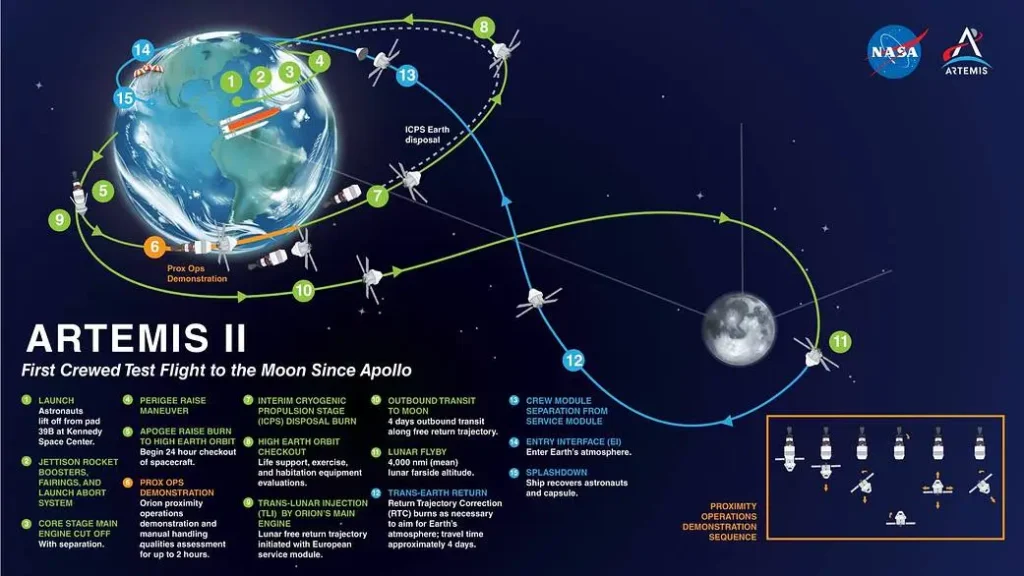
The trajectory
During their 10-day journey, the four astronauts will complete a slingshot around the moon before a planned splashdown in the Pacific Ocean. Artemis II will not involve a lunar landing. The mission instead serves as a full-scale rehearsal to validate deep-space life-support systems and allow the crew to practise manual flight manoeuvres.
The launch went ahead following a series of technical setbacks. The flight was originally scheduled for February but suffered a two-month delay caused by dangerous hydrogen fuel leaks and a clogged helium pressurisation line. On launch day engineers also had to quickly resolve a battery sensor anomaly and a communication issue with the rocket’s flight termination system before clearing the vehicle for liftoff.
The mission is a crucial step in the wider Artemis programme which aims to land humans near the lunar south pole by 2028. Private aerospace companies including SpaceX and Blue Origin are currently assisting with the development of the necessary lunar landing systems.
NASA’s overarching goal is to establish a sustained human presence on the moon to prepare for eventual crewed voyages to Mars. The programme is unfolding amid growing geopolitical competition with China, which is planning to launch its own crewed lunar mission by 2030.
From economics and politics to business, technology and culture, Kursiv Uzbekistan brings you key news and in-depth analysis from Uzbekistan and around the world. To stay up to date and get the latest stories in real time, follow our Telegram channel.