LNG Tanker Enters Strait of Hormuz for First Time Since US-Israel-Iran Conflict

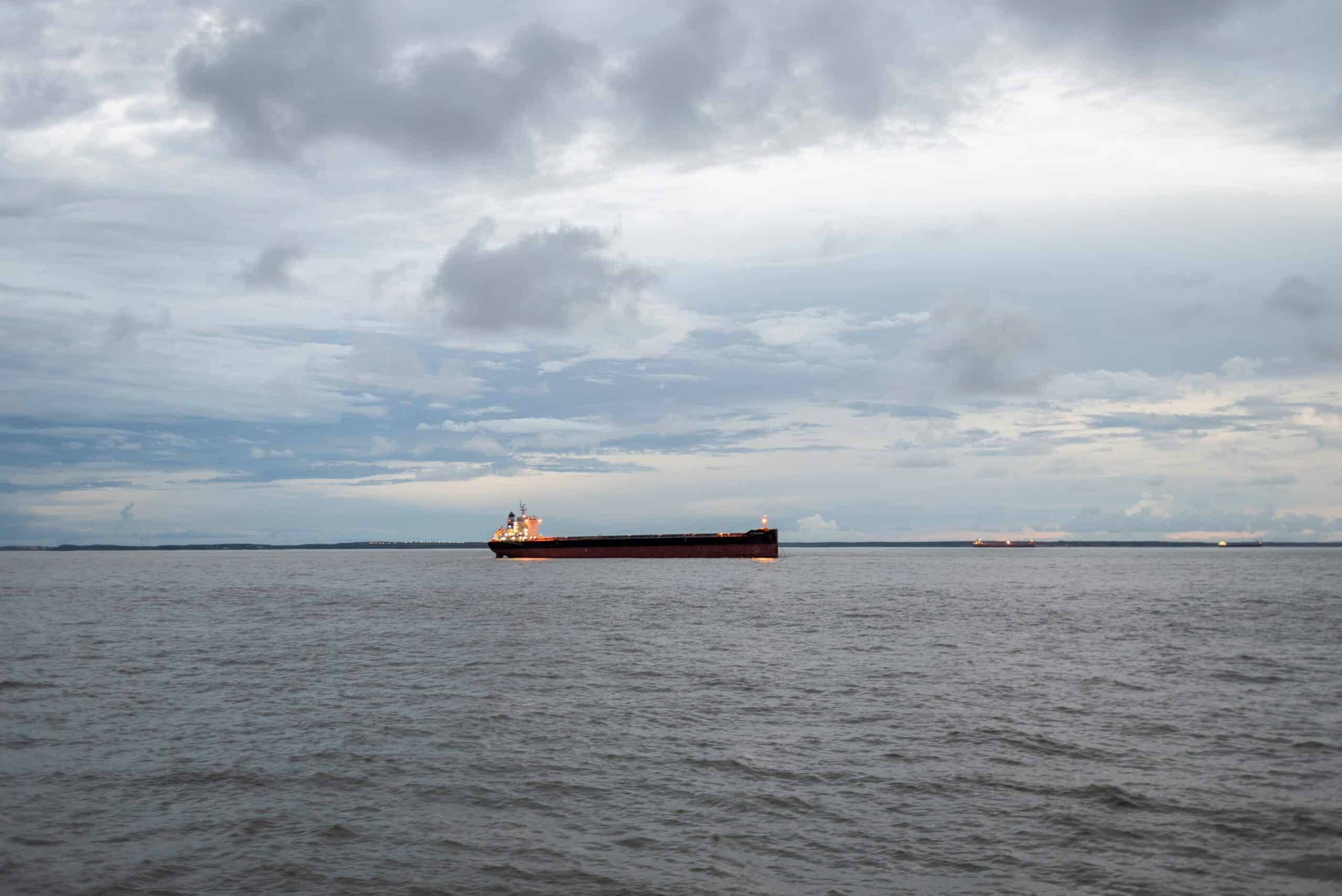
An LNG carrier navigated the volatile Strait of Hormuz for the first time since the recent escalation of armed conflict involving the United States, Israel, and Iran, Bloomberg reports.
The vessel at the center of this development is the Sohar LNG. After weeks of holding a defensive position within the relatively safer confines of the Persian Gulf, the Omani-owned ship has actively altered its course and is currently sailing eastbound.
Key details of the transit include:
- Current Status: The carrier is operating unladen (without cargo), reducing its financial and environmental risk profile during this initial crossing.
- Destination: Its navigational system is set for the Qalhat LNG export terminal in Sur, Oman, a critical infrastructure hub responsible for the bulk of Oman’s liquefied natural gas exports.
- Significance: If completed without incident, this journey will be the first full transit of an LNG tanker through the strait since the onset of the current hostilities, potentially serving as a bellwether for other maritime operators.
A Chokepoint Under Pressure
The ongoing standoff in the Strait of Hormuz, a crucial artery that historically facilitates nearly a fifth of global oil consumption and a massive share of international LNG shipments, continues to severely constrain global energy markets. Shipping insurance premiums have skyrocketed, and major maritime operators have largely avoided the region.
The ripple effects are already showing stark numbers. Saudi Arabia’s crude oil exports plummeted drastically in March. Volumes fell to approximately 3.3 mln barrels per day, a staggering 50% drop from the Kingdom’s typical export capacity.
Entrenched Geopolitical Stances
Despite mounting international pressure and the severe economic impact on global energy prices, the geopolitical deadlock shows little sign of easing. Iran’s Supreme Leader, Mojtaba Khamenei, has publicly doubled down on Tehran’s maritime posture.
He recently affirmed that the nation will strictly enforce its current restrictions on vessel movements through the strait, actively resisting pressure campaigns from the U.S., Israel, and neighboring Gulf states who are eager to see the restoration of free navigation.