Discussions on reforms in Uzbekistan’s cotton sector are increasingly focusing on the working conditions of farmers, as dialogue continues between authorities and rights groups.
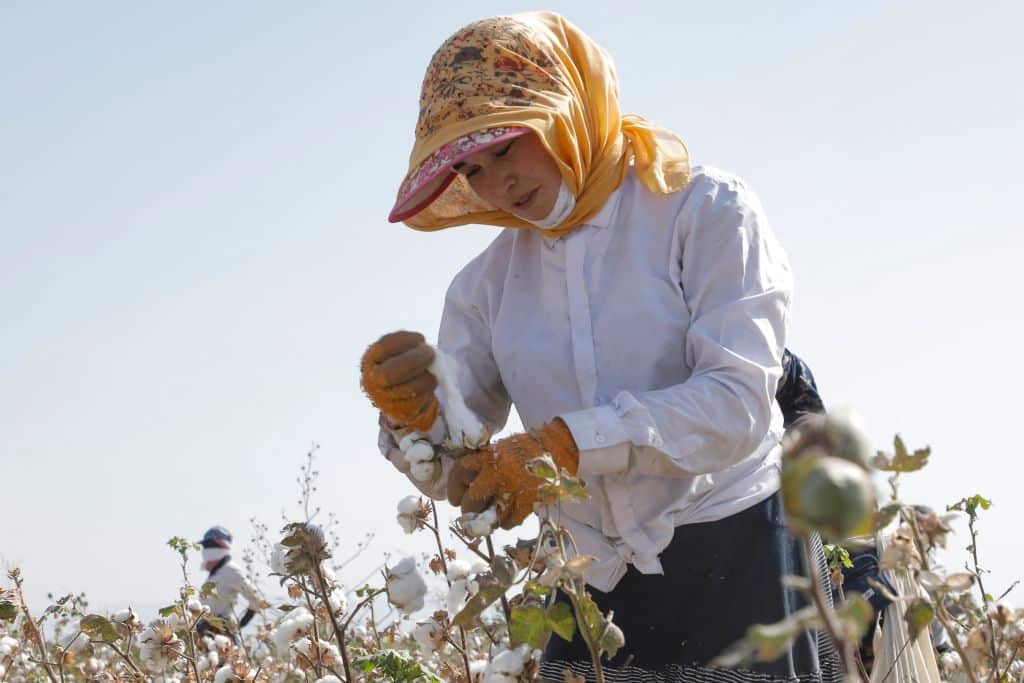
According to Umida Niyazova, founder of the Uzbek Forum for Human Rights, recent research highlights risks faced by cotton and wheat producers rather than seasonal pickers, who have been the main focus of past scrutiny.
A joint report with Human Rights Watch found that farmers may be exposed to conditions associated with potential forced labour, based on indicators developed by the International Labour Organisation. These include vulnerability, pressure, and wage-related issues, although no specific cases were confirmed as forced labour.
At the same time, Niyazova noted significant improvements in the cotton-picking system in recent years. Higher pay rates, expanded mechanisation, and increased oversight have helped reduce reliance on manual labour and contributed to the end of large-scale forced labor practices among pickers.
Uzbek authorities aim to further modernise the sector, including raising the share of machine-harvested cotton to 70% by 2026.
Despite differing views on the current structure of the system, including the role of state planning, both officials and civil society representatives continue discussions on reforms.
Stakeholders say the shared goal is to ensure Uzbekistan’s cotton industry fully moves beyond its legacy issues and aligns with international labor standards.
From economics and politics to business, technology and culture, Kursiv Uzbekistan brings you key news and in-depth analysis from Uzbekistan and around the world. To stay up to date and get the latest stories in real time, follow our Telegram channel.