
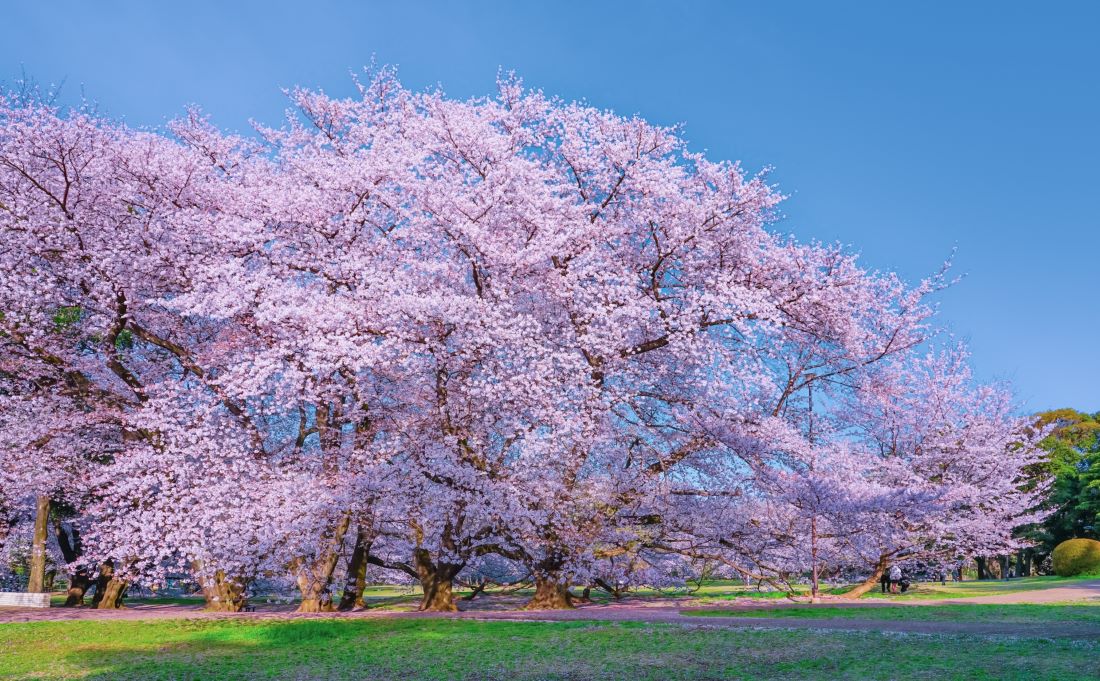
Tokyo’s famous Somei Yoshino cherry blossom trees, which were primarily planted during the rapid postwar urban expansion of the 1960s, are rapidly approaching the end of their biological lifespans.
The severity of this case became undeniable on April 2 when two prominent trees unexpectedly gave way. One massive specimen collapsed in Kinuta Park. Standing at a towering 18 meters tall with a trunk span of 2.5 meters, the tree had lived for more than six decades.
Simultaneously, another aging trunk crashed down along the Chidorigafuchi greenway, narrowly avoiding a plunge into the historic Imperial Palace moat. Neither of these recent incidents resulted in casualties, though a prior collapse at Kinuta Park earlier in March did leave a pedestrian injured.
A city-wide environmental challenge
These toppling trees are far from isolated events. Masakazu Noguchi, a Tokyo metropolitan official, revealed that 85 park cherry blossom trees fell across the city last year, causing three injuries. Cherry trees accounted for a significant portion of this damage.
Tree specialist Hiroyuki Wada attributes this widespread decay to a deadly combination of old age and deep-seated fungal infections. He advises the public to watch for severe leaning, hollowed cavities in the trunks, and fungal blooms near the root bases.
Wada also emphasizes that severe climate patterns, specifically intense heatwaves and prolonged droughts that have severely compromised these 70- to 80-year-old landmarks. He expressed hope that the decline of such a profound cultural symbol might awaken greater public awareness regarding global climate change.
Mitigation and the future of Hanami
Recognizing the unique threat posed during hanami, when throngs of revelers sit directly beneath the heavy branches, local leaders are demanding action.
Tokyo assembly member Yutaka Kazama took to social media to advocate for enhanced safety protocols targeting rotting and exposed root systems, specifically noting the dangers at Kinuta Park. However, he stressed the need to find solutions that do not rely on mass clear-cutting.
In response, city authorities conducted sweeping pre-season evaluations. At Kinuta Park alone, workers assessed upwards of 800 cherry blossom trees, removing the most hazardous ones and erecting caution signage. Even so, Noguchi conceded that these are merely stopgap measures, warning the public that a visual inspection cannot guarantee absolute safety.
Certain areas, like Inokashira Park, have already transitioned toward aggressive regeneration strategies. Park managers there have actively removed decaying trunks and limbs, an intervention that has left visible gaps in the traditionally unbroken canopy of blossoms. Wada agrees that this type of comprehensive, long-term planning is essential to protect the cultural tradition moving forward.